





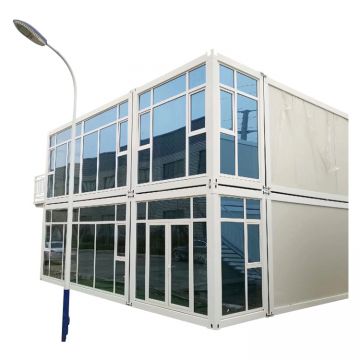


Container House: The Epitome of Modular Marvels Redefining Living Spaces
 Dingrong ContainerShirley

 OEM/ODM available
 Samples price: US$0.01
- Modular container houses combine horizontally or vertically for flexible living spaces.
- Reused shipping containers reduce steel waste and lower the carbon footprint.
- Solar panels, rainwater harvesting, and insulation boost energy efficiency.
- Customizable exteriors and interiors suit residential, commercial, or mobile uses.
- Factory-built modules cut labor costs and on-site construction delays.
1. The Modular Magic of Container Houses
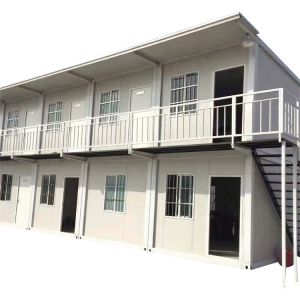
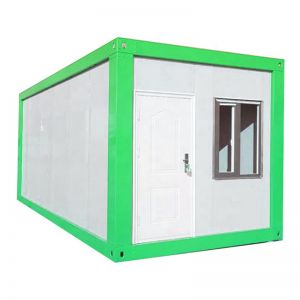
Container houses are the epitome of modular design. The standardized dimensions of shipping containers provide a convenient building block for architects and builders to create a wide variety of configurations. Multiple containers can be combined horizontally or vertically, allowing for the creation of spacious homes, multi-story apartments, or even commercial complexes. This modularity offers unparalleled flexibility in design. For instance, a single container can be transformed into a cozy studio apartment, while a cluster of containers can be assembled to form a luxurious villa with multiple bedrooms, living areas, and outdoor spaces. The ability to easily add or subtract containers also means that the living space can be adapted to changing needs over time, such as accommodating a growing family or creating additional office space for a home business.
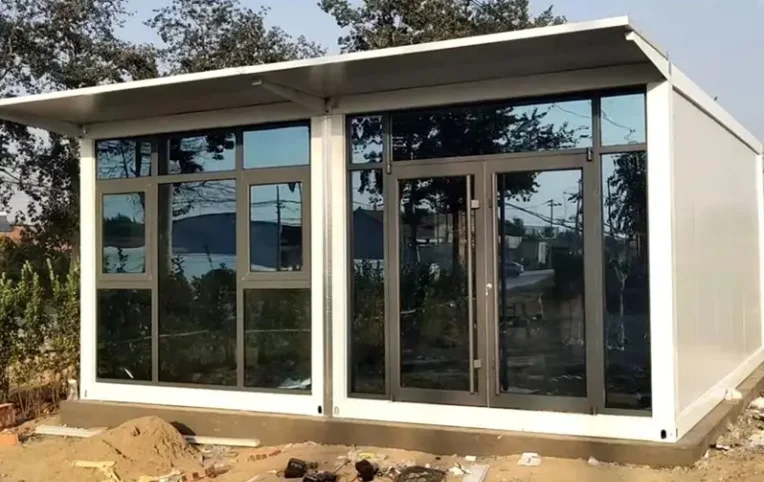
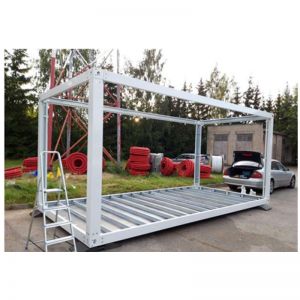
The Container House: The Epitome of Modular Marvels Redefining Living Spaces is not a single fixed product but a building system. Standardized shipping container dimensions act as structural modules that can be stacked or joined side by side. That means a buyer can start with one unit and add capacity later, or combine several units into a larger home, office, or commercial complex. The controlling factor is not the container itself but how the modules are connected, insulated, and finished for the intended climate and use.
For buyers evaluating a Container House: The Epitome of Modular Marvels Redefining Living Spaces, the specification that most affects long-term performance is the building envelope. The source material notes that insulated walls and roofs help maintain indoor temperature and reduce heating or cooling demand. Solar panels and rainwater harvesting can further lower grid reliance and water use, but these are optional add-ons rather than standard inclusions. Confirm with the supplier which energy and water features are factory-installed and which are site-installed.
Customization is a major reason container houses appeal to both homeowners and business buyers. Exteriors can be painted or clad in wood, metal panels, or stone to blend with surroundings. Interiors can be opened up with high ceilings and large windows for natural light. Because the layout is not fixed, the same module can become a studio, a multi-bedroom home, a pop-up shop, or a classroom. The trade-off is that every customization changes the structural and finishing requirements, so buyers should request drawings and material lists before committing.
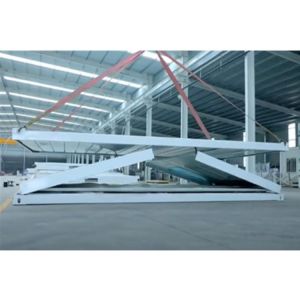
Mobility and cost are the other two decision drivers. Container houses can be transported by standard shipping or trucking, which makes them suitable for disaster relief housing, remote sites, and mobile businesses. Factory-based construction gives better quality control and fewer on-site delays, and the durability of steel can mean lower long-term maintenance. However, the initial purchase price of used containers is only one cost line. Buyers should ask for a full quote covering transport, foundation, insulation, utilities, and finishing to compare fairly against traditional construction.
Before ordering, verify the supplier's scope: what is included in the base module, what is optional, how the units are joined and sealed, and what documentation is provided for the structure and materials. A Container House: The Epitome of Modular Marvels Redefining Living Spaces can be a practical, adaptable building solution, but the final result depends on clear specifications and confirmed site conditions rather than the container alone.
2. Sustainable and Eco-Friendly Living
One of the most significant advantages of container houses is their environmental friendliness. By reusing shipping containers, we are diverting a significant amount of steel from landfills and reducing the need for new construction materials. The manufacturing process of steel containers has already consumed a large amount of energy, so repurposing them further minimizes the overall carbon footprint. Additionally, container houses can be equipped with energy-efficient features such as solar panels, rainwater harvesting systems, and efficient insulation.
Solar panels can generate electricity to power the house, reducing reliance on the grid and lowering energy costs. Rainwater can be collected and used for non-potable purposes like watering plants or flushing toilets, conserving water resources. The insulated walls and roofs help maintain a comfortable indoor temperature, reducing the need for excessive heating or cooling and further decreasing energy consumption.
3. Aesthetic Appeal and Customization
Contrary to the perception that container houses are plain and industrial-looking, they offer a vast range of aesthetic possibilities. The exterior of the containers can be painted in any color or finish, from sleek and modern to rustic and charming. Cladding materials such as wood, metal panels, or stone can be added to enhance the visual appeal and blend the container house with its surroundings. Inside, the open and spacious interiors can be customized to create unique living environments.
High ceilings and large windows can be incorporated to maximize natural light and create a sense of airiness. Interior walls can be constructed using various materials, and the layout can be designed to suit individual preferences, whether it's an open-plan living area or a more traditional room layout. With the right design and finishing touches, a container house can be as stylish and luxurious as any traditional home.
4. Mobility and Versatility
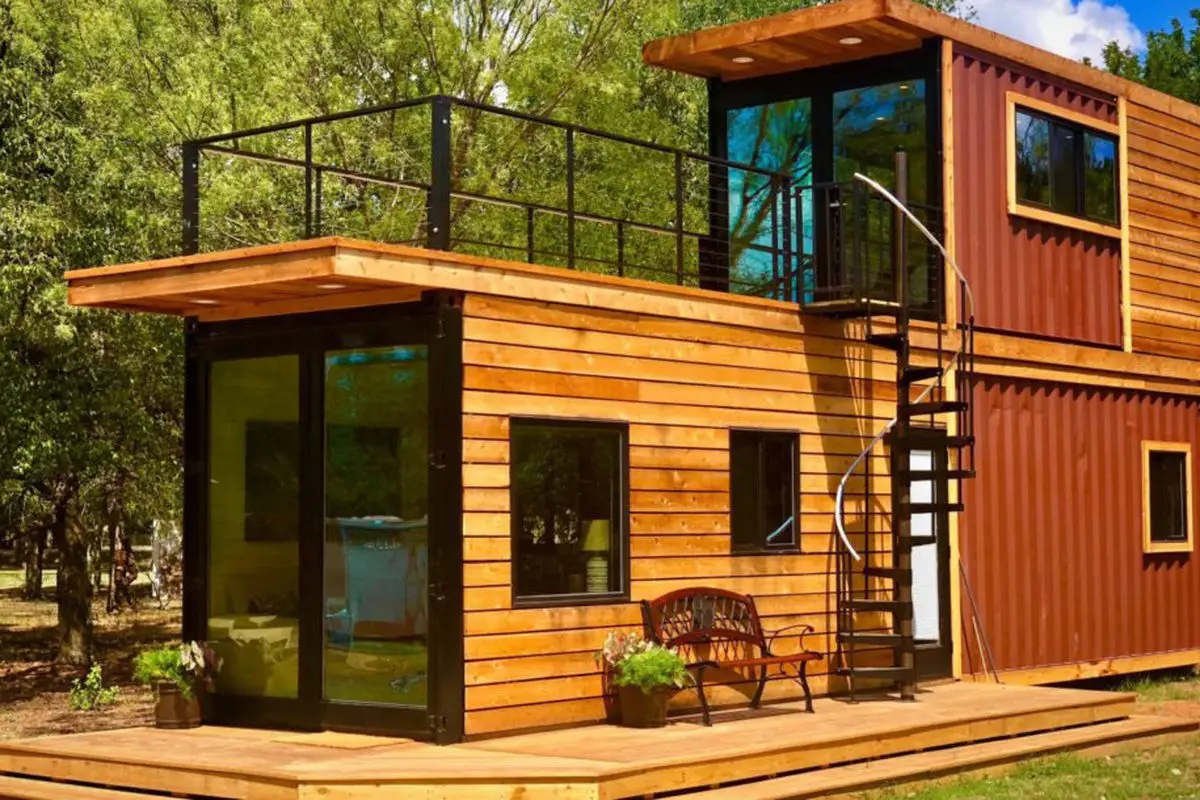
Container houses are inherently mobile. They can be easily transported to different locations using standard shipping or trucking methods. This mobility makes them an ideal solution for a variety of applications. For example, they can be used as temporary housing for disaster relief efforts, providing a quick and efficient way to provide shelter for displaced individuals. They are also popular for creating mobile businesses such as food trucks, pop-up shops, or mobile offices. In a more permanent setting, container houses can be placed in remote or hard-to-reach locations where traditional construction may be difficult or expensive. Their versatility extends beyond just housing and business uses. They can be converted into art studios, gyms, or even classrooms, offering a unique and adaptable space for any purpose.
5. Cost-Effective Housing Option
Compared to traditional brick-and-mortar construction, container houses often present a more cost-effective alternative. The initial cost of purchasing used shipping containers is relatively low, and the modular construction process can save on labor and material costs. Since much of the construction work can be done in a factory setting, there is better control over quality and fewer on-site construction delays. Additionally, the long-term maintenance costs of container houses can be lower due to the durability of the steel containers. With proper care and maintenance, a container house can last for decades, providing a reliable and affordable housing solution for years to come.
In conclusion, container houses truly represent the epitome of modular marvels that are redefining living spaces. Their modular design, sustainability, aesthetic appeal, mobility, and cost-effectiveness make them a viable and attractive option for a wide range of housing and building needs. Whether you're looking for a unique and stylish home, a mobile business space, or an environmentally friendly housing solution, the container house offers a world of possibilities that are limited only by your imagination.
Please enter a valid email address.

Related news
- 2026-10-20 How Many Expandable Container Houses Do I Need for a Labour Camp?
- 2026-10-20 What Fits inside a 40ft Expandable Container House?
- 2026-10-16 What Is a Knock-down Container House? Assembly Explained
- 2026-10-16 Is a Detachable Container Home Good for a Small Family?
- 2026-10-15 How Much Does a Carport Cost? a 2026 Carport Price Guide for Homes and Businesses
- 2026-10-15 What Is a Metal Carport and How Does It Protect Your Car Better Than a Car Shelter?
- 2026-10-10 Foldable Container House Vs Flat Pack: Which Is Better?
- 2026-10-10 Why Choose a 100% Folding Container House for Export?
- 2026-10-08 How Many Expanding Container Homes Fit in a 40ft Container?
- 2026-10-08 How Much Does a 20ft Expandable Container House Cost?
- 2026-10-03 China‑Made Detachable Container House: Durable Flat‑Pack Modular Housing for Export
- 2026-10-03 Detachable Container House: Fast‑Install Prefab Buildings for Dormitories & Site Offices
- 2026-10-02 Why Detachable Container House Gains Popularity among Overseas Builders in 2026
- 2026-10-02 Detachable Container House: Cost‑Effective Modular Solution for Global Construction Projects
- 2026-09-24 Can You Live in a Shipping Container
- 2026-09-24 A Frame Container Home
- 2026-09-23 Where to Buy Container Homes
- 2026-09-23 What Did the East Wing of the White House Contain
- 2026-09-19 How Long Do Container Homes Last
- 2026-09-19 Can Houses