




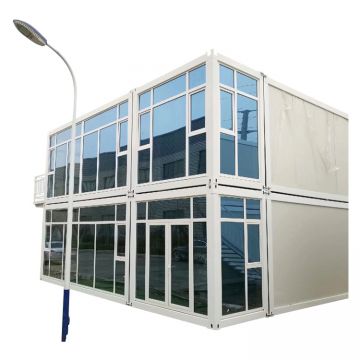


For most first-time importers, a 20ft expandable container house is worth pursuing only when you treat the quoted price as a starting point, not a final number. The unit that arrives on site is a folded steel frame with panels, doors, windows, wiring, and plumbing rough-ins; what you actually pay depends on how much of that package is finished, how it is shipped, and what your site still needs. Buyers who compare only headline prices usually discover the gap after the container is already on the water.
- How Much Does a 20ft is suitable for food packaging, wrapping, and commercial display needs.
- How Much Does a 20ft options support custom size, printing, packing, and brand presentation.
- 20ft expandable container house cost helps buyers compare material performance, finish, and application fit.
- expandable container home price is available for wholesale supply, OEM projects, and repeat orders.
- How Much Does a 20ft supports restaurants, factories, distributors, and private label packaging buyers.
What the Price Actually Covers
Suppliers quote expandable container houses in several different scopes, and the same 20ft footprint can carry very different numbers depending on which one you are looking at. A bare structural shell with basic wall and roof panels sits at the low end. A unit with insulated panels, glazed windows, a finished bathroom, and a kitchenette sits higher. A turnkey unit with sanitary ware, cabinetry, air conditioning provision, and tested electrical circuits sits higher still.
Related products and categories: Expandable container house · 20ft Foldable Expandable Container House · Collapsible Container House from China - Expandable 20ft & Export Ready · Collapsible Container House from China - Modular Expandable Steel Structure - Site Ready &.

Before comparing quotes, ask each supplier to state the scope in writing: panel thickness and core material, window and door type, whether plumbing and electrical are pre-installed or only roughed in, and whether floor covering is included. Two quotes that look similar on a spreadsheet can differ by an entire finishing package.
Cost Drivers That Move the Number
Panel specification is usually the largest single variable. Thinner panels with lower-density cores cost less but change how the unit performs in hot, cold, or humid conditions. Buyers in temperate, short-stay applications can often accept a lighter panel; buyers using the unit as long-term accommodation or in extreme climates should confirm the panel build before accepting a low quote.

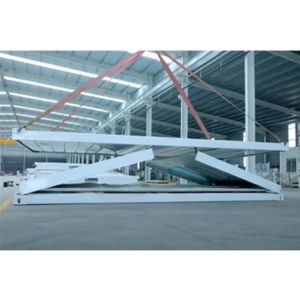
Shipping configuration matters almost as much. Expandable units are designed to fold for transport, which affects how many units fit in a container and what handling equipment is needed at both ends. Ask for the folded dimensions and weight, and confirm whether the supplier's packing method matches the transport you have arranged. A price that excludes loading, sea freight, destination charges, or site lifting is not comparable to one that includes them.
Customization is the third driver. Non-standard layouts, additional windows, upgraded doors, or a different exterior finish all add cost and lead time. If your project can accept a standard layout, say so early; it is often the simplest way to keep the budget predictable.

Specifications to Confirm before Ordering
- Folded and expanded dimensions, plus total weight
- Wall and roof panel thickness and core material
- Electrical voltage, circuit layout, and plug types for your market
- Plumbing rough-in locations and whether fixtures are supplied
- Window and door materials, glazing, and locking hardware
- Floor structure and surface finish
- Foundation or support requirements stated by the supplier
Ask for a drawing set and a written specification sheet, not just a photo gallery. If the supplier cannot provide drawings, that is a signal about how the unit will be documented for your site team and any local approval process.
Where Buyers Get Caught Out
The most common surprise is site readiness. An expandable container house still needs a level base, connections to power and water, and in many locations some form of local permission. None of that is included in the unit price, and it can be a meaningful share of the total project cost.

The second is quality consistency. Photos of a show unit do not guarantee the unit you receive. Ask whether the supplier will provide inspection photos or video at defined stages before packing, and whether a third-party inspection can be arranged. Confirm what warranty is offered, what it covers, and how a claim would be handled across borders.
Buyer Questions
Is a Cheaper Quote Always Worse?
Not necessarily. A lower price can be legitimate if the scope is genuinely smaller or the unit is a standard model. The problem is comparing quotes with different scopes. Normalize the specification first, then compare.

What Should I Ask for before Paying a Deposit?
Request a written specification, a drawing set, the folded shipping dimensions and weight, the payment schedule, the inspection arrangement, and the warranty terms. If any of these are vague, resolve them before the deposit, not after.
Start by writing down your site conditions, climate, intended use, and local requirements, then ask two or three suppliers to quote against that same brief. The quotes you get back will finally be comparable, and the real cost of your 20ft expandable container house will be visible before you commit.
Key product terms include How Much Does a 20ft Expandable Container House Cost, 20ft expandable container house cost, expandable container home price for buyers comparing materials, applications, and supplier options.