






For most labour camps, the honest answer is that you cannot fix a unit count from headcount alone. Start with the peak worker population you must house, divide by the occupancy per expandable container house that your own labour or safety rules allow, then add units for welfare, dining, drying rooms and storage. Only after that should you ask a supplier to quote. The number that matters is not the number of beds you can squeeze in; it is the number of units that keeps the camp compliant, workable and expandable as the project ramps up.
- How Many Expandable Container Houses is suitable for food packaging, wrapping, and commercial display needs.
- How Many Expandable Container Houses options support custom size, printing, packing, and brand presentation.
- expandable container house labour camp helps buyers compare material performance, finish, and application fit.
- labour camp accommodation unit count is available for wholesale supply, OEM projects, and repeat orders.
- How Many Expandable Container Houses supports restaurants, factories, distributors, and private label packaging buyers.
Start from People, Not from Containers
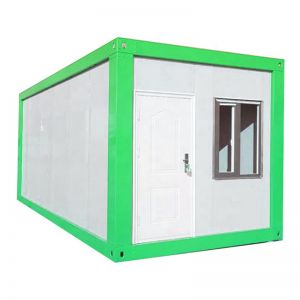
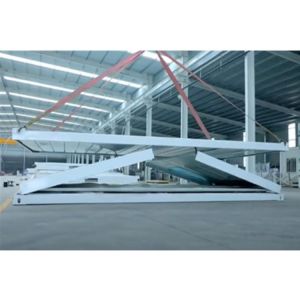
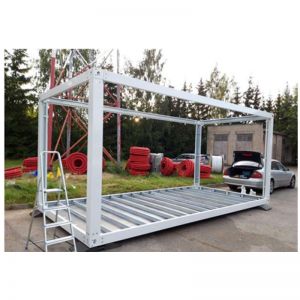
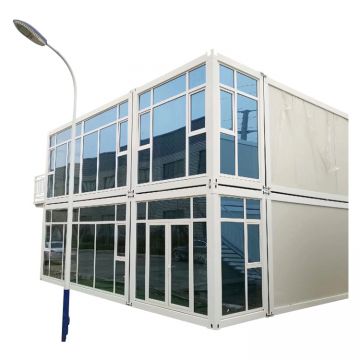
Expandable container houses are factory-built modules that unfold or slide out on site to create a larger floor area than their transport footprint. That folding geometry is the whole point: more usable space per delivery, faster site assembly. But the usable floor area after expansion is a specification you must confirm with the supplier, not assume. Ask for the expanded footprint, the internal clear dimensions and the intended bed layout for each unit.
Related products and categories: 40ft expandable container house video · 40ft expandable container house with 3 bedrooms · folded 40ft expandable container house · production for homes prefab steel expandable container houses.

Then apply your own occupancy limit. Many camps set a maximum number of workers per room for welfare and fire-safety reasons, and that limit, not the container's theoretical capacity, drives the count. If your rule is four workers per room, a unit configured for eight beds does not halve your order; it may simply be non-compliant for your site.
Separate Accommodation from Welfare and Support Space
Labour camps need more than sleeping units. Drying rooms, canteens, offices, first-aid space and secure storage all compete for the same modules. Buyers who count only beds routinely under-order and then bolt on extra units at a worse price and a worse delivery slot.

Build a simple schedule before you approach suppliers:
- Peak headcount and expected ramp-up curve
- Maximum workers per room under your own rules
- Separate welfare, dining and drying-room requirements
- Spare capacity for turnover and maintenance
That schedule, not a rule of thumb, is what a supplier needs to quote accurately.

Where the Unit Count Actually Changes
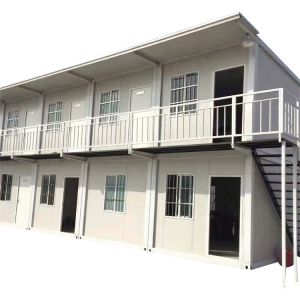
Two camps with the same headcount can need very different numbers of expandable container houses. The variables that move the count are occupancy rules, whether accommodation is single or shared, how much welfare space your client or regulator expects, and how the site is laid out. A tight site may force a taller or more compact arrangement, which changes how many units fit, not how many you need.
Climate and duration matter too. A short campaign camp and a multi-year camp have different expectations for insulation, ventilation and internal finish, and those choices affect which unit specification you order, even if the count stays the same.
What to Confirm with the Supplier before Ordering
Treat the supplier's datasheet as a starting point, not a guarantee. Confirm the expanded and transport dimensions, the structural and insulation specification, the electrical and plumbing provisions, and how the units are stacked or linked on site. Ask how the units are packed and delivered, because transport footprint and lifting arrangements affect site logistics and the number of deliveries.
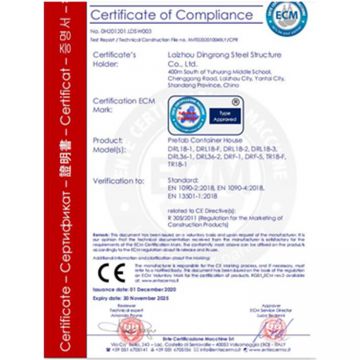
Request a layout drawing for your intended occupancy and a sample or reference unit if the order is large. Check that the supplier can document the materials and finishes they claim, and get any compliance or certification statements in writing rather than accepting a verbal assurance.
Buyer Questions Worth Asking Early
Can I Add Units Later as the Workforce Grows?
Expandable container houses are modular, so phased delivery is often practical, but confirm lead times and whether later units will match the earlier specification. Ordering the whole camp at once usually secures a better price; phasing protects cash flow. Decide which risk matters more to your project.
Does a Bigger Unit Always Mean Fewer Units?
Not necessarily. A larger expanded footprint can reduce the count only if your occupancy rules and layout allow it. If welfare space or site constraints cap how many workers share a room, a bigger unit may simply give better living space rather than a smaller order.
Before you sign, walk your schedule past the supplier's technical team and ask them to flag where your assumptions and their standard configuration diverge. That conversation, held early, is cheaper than discovering a shortfall when the first workers arrive.
Key product terms include How Many Expandable Container Houses Do I Need for a Labour Camp, expandable container house labour camp planning, labour camp accommodation unit count for buyers comparing materials, applications, and supplier options.