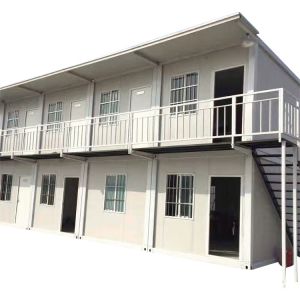
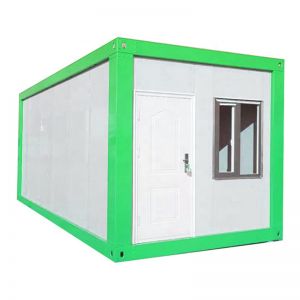

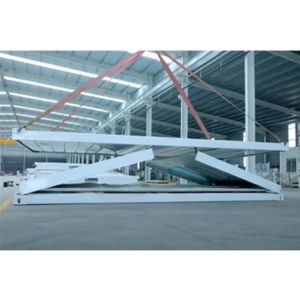

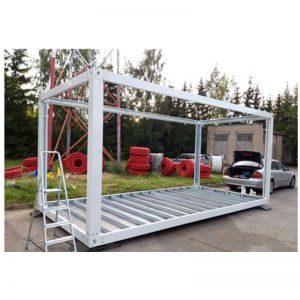



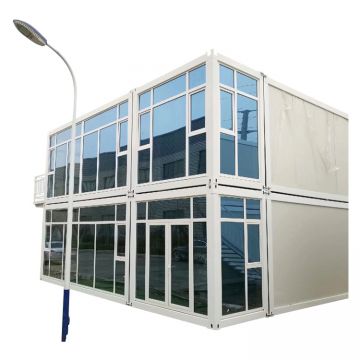


For most buyers who need repeat site accommodation and expect to move it more than once, a foldable container house is the more practical default. The folding container house collapses into a compact bundle, so several units can travel in the space a single assembled flat pack would occupy. That packing advantage is the main reason to choose folding over flat pack. If the unit will be installed once and left in place for years, the flat pack container house is usually the simpler and more predictable purchase, because it arrives as a panel kit and is assembled on site rather than unfolded from a pre-built frame.
- Foldable Container House vs Flat is suitable for food packaging, wrapping, and commercial display needs.
- Foldable Container House vs Flat options support custom size, printing, packing, and brand presentation.
- flat pack container house buying helps buyers compare material performance, finish, and application fit.
- folding container house supplier checklist is available for wholesale supply, OEM projects, and repeat orders.
- Foldable Container House vs Flat supports restaurants, factories, distributors, and private label packaging buyers.
Where Each Type Actually Fits
Foldable units suit camp housing, temporary offices, site canteens, and projects where the same cabins are redeployed between phases. The value comes from repeated transport, not from the first installation. Flat pack units suit permanent or semi-permanent accommodation, remote sites with limited lifting equipment, and buyers who want to control wall, roof, and insulation build-up during assembly.
Related products and categories: Container House · Flat Pack Container House Installed for Canada Client · australia 3 in 1 folding mobile homes 20ft expandable container house · 20ft Expandable Container House.

Neither type is automatically better. The deciding question is how many times the unit will move and who will do the assembly.
Construction Differences That Change the Decision
A folding container house is built around a hinged frame. Walls fold inward, and the unit is shipped partly assembled. This reduces packing volume but adds hinge points, seals, and locking details that must survive repeated folding. A flat pack container house ships as separate panels, corner posts, and roof and floor cassettes, then is bolted together on site. Fewer moving joints, but more assembly labor and more site handling of loose components.

For both types, confirm the frame steel grade and section, the wall and roof panel thickness, the insulation core material, and the floor deck specification. These determine structural behavior and thermal performance far more than the folding mechanism itself.
Compact Comparison
| Factor | Foldable | Flat pack |
|---|---|---|
| Shipping volume | Lower per unit | Higher per unit |
| Site assembly | Unfold and secure | Full panel assembly |
| Repeated moves | Designed for it | Possible but slower |
| Joint wear risk | Higher | Lower |
Specifications and Supplier Questions
Ask for the folded and unfolded dimensions, the packed unit weight, and the number of units per container. Request the panel build-up in writing, including insulation type and thickness. For folding units, ask how the hinges and seals are protected during transport and how many fold-unfold cycles the supplier expects the frame to tolerate. For flat pack units, ask for the assembly sequence, the tools required, and whether the supplier provides drawings or on-site supervision.

Also confirm electrical and plumbing provisions, door and window positions, and whether the unit is supplied with or without fittings. These choices affect cost more than the base structure in many quotations.
Limitations and Failure Risks
The main risk with folding units is joint fatigue and seal damage after repeated handling. Inspect hinge alignment, gasket condition, and locking points before each redeployment. The main risk with flat pack units is assembly quality: poor sealing at panel joints leads to water ingress and air leakage. Both types depend on a level foundation; an uneven base distorts frames and opens gaps.
Buyer Verification Checklist
- Request the structural drawing and panel specification sheet.
- Confirm container loading quantity and packing method.
- Ask for a sample or factory inspection before bulk order.
- Clarify warranty terms for frame, panels, and fittings.
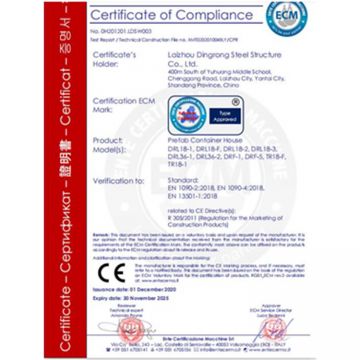
- Confirm documentation needed for your destination market.
FAQ
Can a Flat Pack Container House Be Moved as Often as a Folding One?
It can be dismantled and moved, but the process takes longer and risks damaging panels and fixings. If frequent relocation is planned, folding is the more suitable format.
Which Type Is Cheaper?
Unit price depends on frame, panel, insulation, fittings, and order quantity. Folding units often cost more per unit but reduce freight per unit when many are shipped together. Compare total landed cost, not just the quoted unit price.
Before committing, ask the supplier to quote both formats against your actual move frequency, site conditions, and assembly capability. The cheaper option on paper is not always the cheaper option over the life of the project.
Key product terms include Foldable Container House vs Flat Pack Which Is Better, flat pack container house buying guide, folding container house supplier checklist for buyers comparing materials, applications, and supplier options.