






For most first-time buyers, a used 20 ft or 40 ft ISO shipping container is the most practical starting point for a can house, provided you confirm the structural condition and local permit path before paying a deposit. New, one-trip units cost more but reduce corrosion risk; custom fabrication adds flexibility but also adds cost and lead time. The sections below explain where each choice fits, what to verify, and what to ask a supplier.
- can houses is suitable for food packaging, wrapping, and commercial display needs.
- can houses options support custom size, printing, packing, and brand presentation.
- shipping container home buying guide helps buyers compare material performance, finish, and application fit.
- container home supplier checklist is available for wholesale supply, OEM projects, and repeat orders.
- can houses supports restaurants, factories, distributors, and private label packaging buyers.
Where a Can House Fits and Where It Does Not
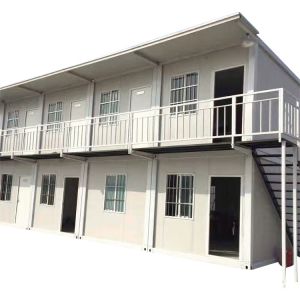
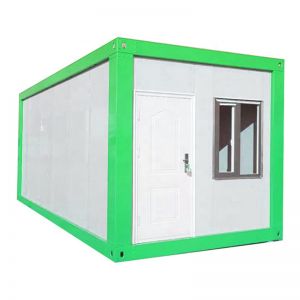
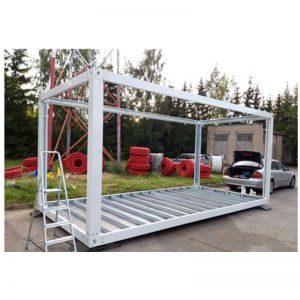
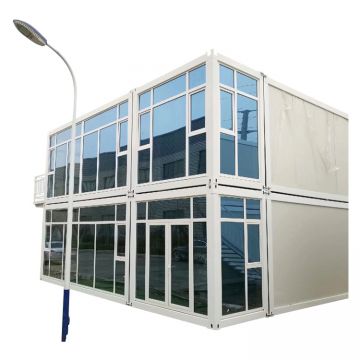
A can house suits buyers who want a compact, relocatable structure for a backyard office, guest unit, storage building, or small site accommodation. The container shell is the starting point, not the finished product. Insulation, lining, windows, doors, electrical rough-in, and plumbing all change the interior dimensions and the budget.
Related products and categories: trailer container house video · duplex container house · Detachable Container House Cost – Factory Direct Shipping Container Cabin · Chinese Made Shipping Container Homes In Stock.

It is a poor fit where local rules restrict container dwellings, where the site has poor access for a truck and crane, or where the buyer expects a turnkey home at a container-only price. Confirm zoning, permits, and site access before choosing a unit size.
Used, One-Trip, or Custom Fabricated
Used containers are the lowest-cost route and are widely available. The trade-off is condition: dents, surface rust, floor wear, and previous cargo history vary from unit to unit. One-trip containers cost more but typically show less wear. Custom fabricated units give you cut openings, reinforced corners, and finishes chosen for the project, but they carry the longest lead time and the highest unit price.

For a simple storage or utility building, a used unit with a sound roof and straight corner posts is often enough. For a habitable space, the extra cost of a cleaner shell is usually easier to justify because insulation and lining work depends on a dry, dimensionally stable box.
Specifications That Control Fit
ISO containers follow standard external footprints, but internal clear dimensions, door opening size, and corner casting positions are what determine whether your design works. Ask for the actual internal length, width, and height, not just the nominal size. Door opening width and height matter if you plan to move equipment in and out.

For habitable use, the controlling specification is usually the insulation build-up. Every millimeter of insulation and lining reduces usable floor area and headroom. Decide early whether you need a full thermal envelope or only condensation control, because that choice drives both cost and interior layout.
Buyer Verification Checklist
- Request photos of the roof, floor, corner posts, and door seals, not just the exterior sides.
- Ask whether the unit has been pressure-washed and whether the floor has been treated or replaced.
- Confirm the exact internal dimensions and door opening before finalizing a layout.
- Ask what modifications are done in the factory versus on site, and who is responsible for structural cuts.
- Confirm delivery method, crane or forklift requirement, and site access limits.
- Ask for the container's condition grade and what that grade means in practice.
Cost Drivers and Trade-Offs
Unit condition, size, delivery distance, crane time, and the level of fit-out are the main cost drivers. A cheap shell can become expensive if the floor needs replacing or if rust has reached the structural frame. Fabrication, insulation, and services usually cost more than the container itself.

Buyers often underestimate site work: foundations or footings, drainage, and access for delivery equipment. These items are not part of the container price and should be quoted separately.
FAQ
Can I Use a Used Container for a Habitable Can House?
Yes, if the shell is structurally sound and dry. Inspect the roof, floor, and corner posts, and confirm the unit is free of heavy rust and persistent odors before committing to a fit-out.
What Should I Confirm with the Supplier before Ordering?
Confirm internal dimensions, door opening size, condition grade, modification scope, delivery method, and who handles structural cuts. Get these in writing, because they affect both the layout and the final cost.
Key product terms include can houses, shipping container home buying guide, container home supplier checklist for buyers comparing materials, applications, and supplier options.