






For most small families, a detachable container home can work as a permanent or semi-permanent dwelling only if the supplier confirms structural design, insulation, and utility provisions for your climate and site. It is not a default yes. The deciding factors are how the modules join, what the wall and roof build-up actually is, and whether the unit is engineered for daily family use rather than temporary site accommodation.
- Is a Detachable Container Home is suitable for food packaging, wrapping, and commercial display needs.
- Is a Detachable Container Home options support custom size, printing, packing, and brand presentation.
- detachable container home for small helps buyers compare material performance, finish, and application fit.
- container home buying guide is available for wholesale supply, OEM projects, and repeat orders.
- Is a Detachable Container Home supports restaurants, factories, distributors, and private label packaging buyers.
Where a Detachable Container Home Fits a Small Family
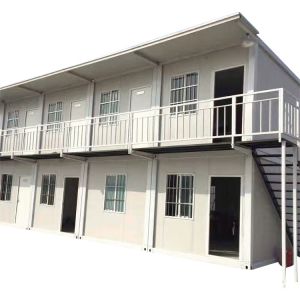
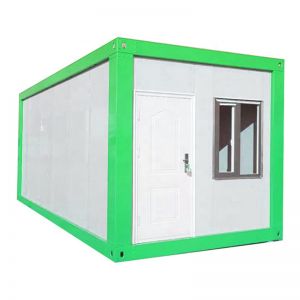
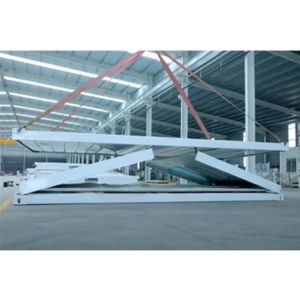
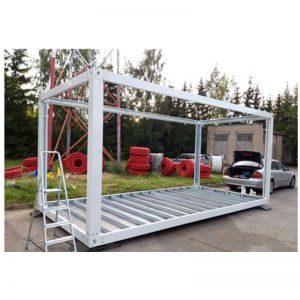
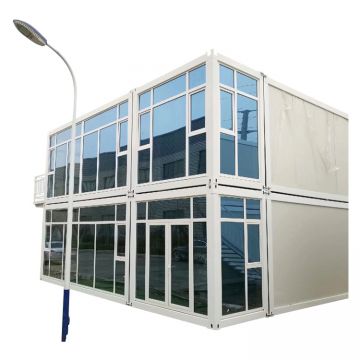
Detachable container homes are modular units that can be separated into panels or sections for transport and reassembled on site. That detachability is the main advantage for a family with limited access: narrow lanes, tight plots, or sites where a crane cannot reach. It also allows phased expansion, where a family adds a module later instead of buying a larger unit upfront.
Related products and categories: detachable container house · detachable container house video · detachable container house materials show · canada client install detachable container house.

The boundary of use matters. If your site has restricted access, poor drainage, or no reliable power and water connection, the container format does not solve those problems. Confirm site access width, foundation requirements, and utility connection points with the supplier before assuming the unit is suitable.
Construction Choices That Decide Comfort
Two units can look identical online and perform very differently. The variables that matter for a family are the structural frame, the wall and roof insulation, and how joints are sealed against water and air.

- Frame and panel thickness: Ask for the steel section size and panel thickness. Thin panels reduce cost but limit insulation depth and rigidity.
- Insulation: Confirm the insulation material and thickness, and whether it is specified for your climate. A unit sold for temperate use may not suit hot or cold regions without changes.
- Joint sealing: Detachable units rely on connections between panels or modules. Ask how these are sealed and whether the supplier provides a sealing method or gasket specification.
- Floor build-up: For family use, floor structure and finish affect comfort and durability more than exterior color.
Specifications to Confirm before Ordering
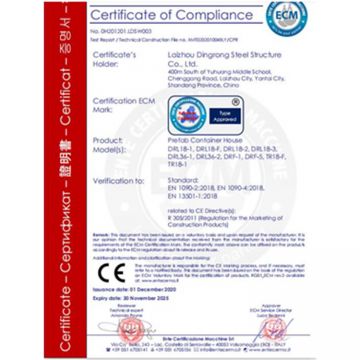
Treat the quotation as a specification document, not a price sheet. Ask the supplier to state, in writing, the external and internal dimensions, ceiling height, insulation type and thickness, window and door specifications, electrical and plumbing provisions, and the maximum wind and snow load the design is intended for. If the supplier cannot provide load information, that is a signal to verify the design independently.
Comparison: What Changes between Budget and Better Units
| Item | Budget unit | Better-specified unit |
|---|---|---|
| Insulation | Thin, unspecified | Stated material and thickness |
| Joints | Basic seal | Defined sealing method |
| Utilities | Prepared openings only | Documented electrical and plumbing layout |
| Documentation | Drawing only | Drawings plus load and material data |
Risks and Trade-Offs to Check
The most common failure points are water ingress at joints, condensation where insulation is incomplete, and undersized electrical provision for a family's daily load. Detachable construction creates more joints than a single welded shell, so sealing quality and assembly supervision matter. If you cannot inspect the unit before shipment, ask for photos or video of the assembly process and the sealing details.

Cost drivers are usually panel and insulation specification, window and door quality, utility fit-out, and transport distance. A low headline price often reflects a thinner panel or a unit prepared only for basic site use. Compare quotations on the same specification basis rather than on price alone.
Buyer FAQ
Can a Detachable Container Home Be Expanded Later?
Modular design often allows additional modules, but expansion depends on the frame and connection system. Confirm with the supplier whether the structure is designed for future modules and how the joint would be made weathertight.
What Should I Verify before Paying a Deposit?
Ask for the written specification, assembly drawings, insulation and load data, and the sealing method. Confirm delivery scope, site preparation requirements, and who is responsible for assembly and utility connections.
Before committing, request a specification sheet and assembly drawing for the exact model you are considering, then have a local engineer or builder review the load and utility provisions against your site. That single step resolves most of the uncertainty a small family faces when buying a detachable container home.
Key product terms include Is a Detachable Container Home Good for a Small Family, detachable container home for small family, container home buying guide for buyers comparing materials, applications, and supplier options.