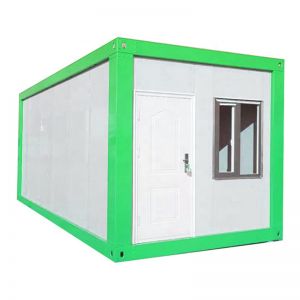







For most overseas buyers sourcing a China‑made detachable container house for export, the sensible default is a flat‑pack unit with a galvanized steel frame and sandwich‑panel walls, ordered only after the supplier confirms panel thickness, steel gauge, and loading plan in writing. That combination balances durability, shipping volume, and on‑site assembly speed for typical site offices, worker accommodation, and temporary storage. It is not the right answer for every project: if you need permanent occupancy certification, extreme climate performance, or multi‑storey stacking, treat the standard flat‑pack as a starting point and verify each requirement separately.
- China Made Detachable Container House is suitable for food packaging, wrapping, and commercial display needs.
- China Made Detachable Container House options support custom size, printing, packing, and brand presentation.
- China Made Detachable Container House helps buyers compare material performance, finish, and application fit.
- durable flat pack modular housing is available for wholesale supply, OEM projects, and repeat orders.
- China Made Detachable Container House supports restaurants, factories, distributors, and private label packaging buyers.
Where a Detachable Flat‑Pack Actually Fits
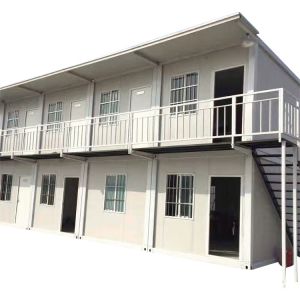
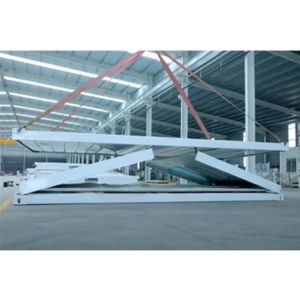
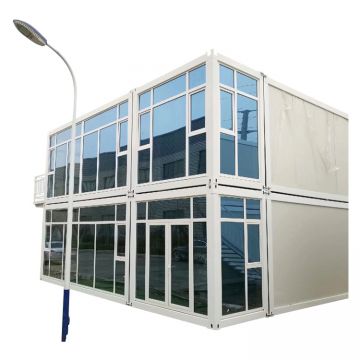
Detachable container houses are designed to be shipped knocked down and reassembled on site. The practical boundary is temporary or semi‑permanent use: construction site offices, canteens, dormitories, security posts, and storage rooms. They suit projects where conventional building permits are slow or where the site will move. They are a poor fit when local codes demand permanent structural approval, fire‑rated assemblies, or wheelchair‑accessible sanitary layouts that the standard panel system cannot deliver without customization.
Related products and categories: detachable container house · Container House · Flat Pack Container House Installed for Canada Client · 20ft A-Frame Container House Frame – No Crane Needed for Installation.

What Controls Durability and Fit
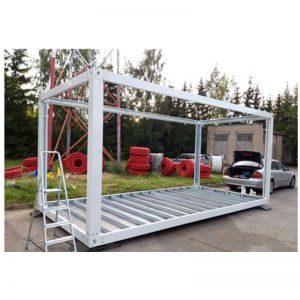
Three specification choices drive most of the real‑world outcome. First, the frame: galvanized steel resists corrosion better than painted mild steel, and the steel gauge determines how the unit handles repeated assembly and wind load. Second, the wall and roof panels: sandwich panels with different core materials behave differently in fire, moisture, and insulation terms, so the core choice should follow the climate and the occupancy, not the lowest quote. Third, the connection system: bolt‑together or plug‑in joints affect assembly time and how well the unit stays sealed after several moves. Ask for the panel thickness, steel gauge, and joint type in writing, because these are the numbers that separate a durable unit from a disposable one.
Comparing Common Configurations
| Configuration | Best for | Main trade‑off |
|---|---|---|
| Standard flat‑pack, single storey | Site offices, storage, short‑term camps | Limited insulation and stacking options |
| Insulated flat‑pack | Cold or hot climates, longer occupancy | Higher cost and shipping volume |
| Stacked or two‑storey | Space‑constrained sites | Needs structural verification and stronger frame |
Use this table as a filter, not a specification. The right row depends on your climate, occupancy duration, and local approval path.

Buyer Verification Checklist
- Confirm panel thickness, core material, and steel gauge in the quotation, not just in a brochure.
- Ask for the loading plan and container count per unit, since flat‑pack volume drives freight cost.
- Request a pre‑shipment inspection report and, where possible, a sample panel or corner joint.
- Clarify what is included: doors, windows, electrical wiring, sanitary fittings, and installation drawings.
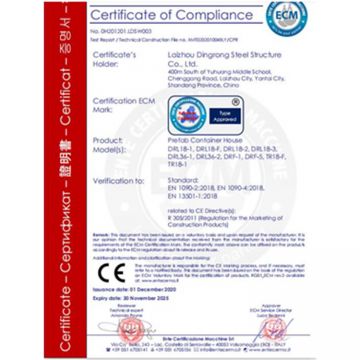
- Check whether the supplier can provide documentation for your destination market's import and safety requirements.
Cost Drivers and Failure Risks
Freight is often the largest single cost after the unit itself, so a slightly denser pack can beat a cheaper unit. Panel core material, steel gauge, and customization level are the other main drivers. The most common failure risks are under‑specified panels that fail in humidity, frames that deform after repeated assembly, and missing installation drawings that slow the site crew. None of these show up in a price comparison, which is why the specification sheet and inspection report matter more than the headline quote.
FAQ
Can a Detachable Container House Be Used Permanently?
It can be used for long‑term temporary occupancy, but permanent status depends on local building rules and on whether the supplier can document structural and fire performance for your market. Confirm this before ordering.

How Many Units Fit in One Container?
That depends on unit size and pack design. Ask the supplier for a loading plan per model rather than assuming a fixed number.
Before you commit, ask the supplier to send the specification sheet, loading plan, and a sample of the panel and joint you will actually receive. If those three documents match your climate, occupancy, and approval path, the order is worth placing.

Key product terms include China Made Detachable Container House Durable Flat Pack Modular Housing for Export, China Made Detachable Container House, durable flat pack modular housing for buyers comparing materials, applications, and supplier options.