




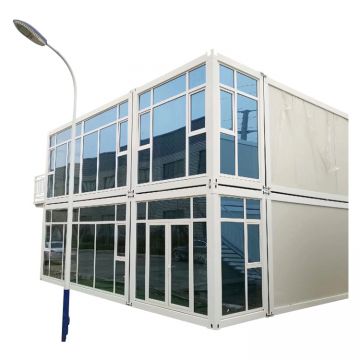


Quality of Container House Frame
 Dingrong ContainerShirley

 OEM/ODM available
 Samples price: US$0.01
- High-strength steel frame delivers rigidity against heavy loads and strong winds
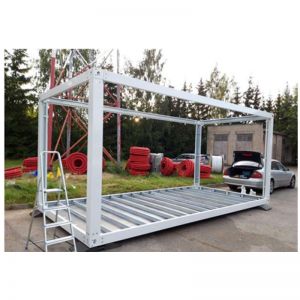
- Balanced beams, columns, and cross-members distribute weight and stress evenly
- Skilled welding and inspected joints prevent cracks during transport and long-term use
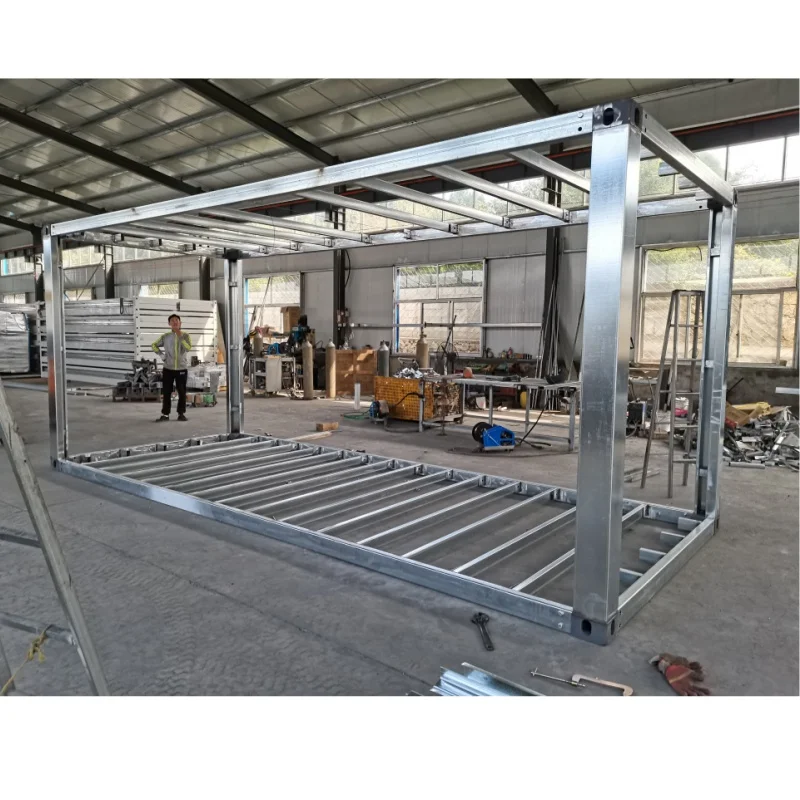
- Galvanization and anti-corrosion treatment help the steel frame resist environmental exposure
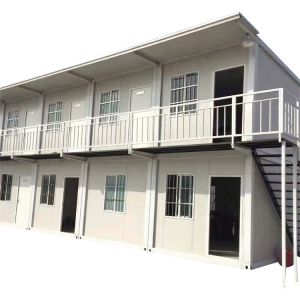
- Frame design supports insulation, plumbing, electrical systems, and future module expansion
1. Robust Material Selection
The container house frame is typically crafted from high-strength steel. This choice of material offers exceptional rigidity and resistance to various external forces. The steel used is often of a specific grade that can withstand heavy loads, whether it's the weight of the container itself, additional fixtures and fittings, or the impact of adverse weather conditions such as strong winds and heavy snow. It is also highly resistant to corrosion, which is crucial considering that container houses may be exposed to different environmental elements over an extended period. Through proper galvanization or other anti-corrosion treatments, the steel frame can maintain its integrity and strength for decades, ensuring a long lifespan for the container house.
The Quality of Container House Frame starts with material selection. High-strength steel is the typical choice because it offers rigidity and resistance to external forces, including the weight of the container itself, added fixtures, strong winds, and heavy snow. Buyers should ask which steel grade is used and how it is protected against corrosion, since container houses often stay exposed to the elements for years. Proper galvanization or other anti-corrosion treatment is what allows the frame to maintain its integrity over an extended period.
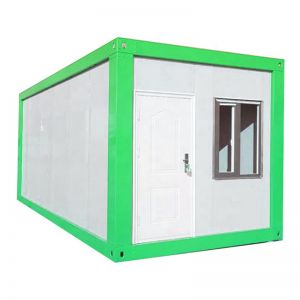
Structural design also shapes the Quality of Container House Frame. A well-engineered frame combines beams, columns, and cross-members so that weight and stress are distributed evenly. Vertical columns resist compressive forces, while horizontal beams and cross-members handle bending and torsional forces. This balance supports stability and gives buyers flexibility for interior partitions, doors, and windows without weakening the overall structure. Before ordering, request the frame layout and confirm how openings for doors and windows are reinforced.
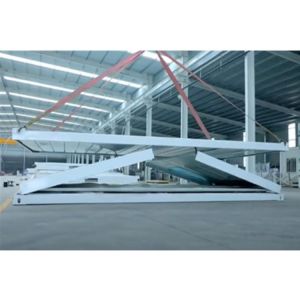
Welding and joint integrity are decisive for the Quality of Container House Frame. Welds must endure the same stress as the base metal, and poor welds can develop cracks or fractures over time. Suppliers should describe their welding techniques and quality control measures, including how each weld is inspected and how defective welds are repaired or redone. Because the frame must withstand transportation, installation, and long-term use, buyers should ask for the inspection process rather than assume it.
Environmental resistance is another practical test of frame quality. Beyond corrosion protection, the frame should maintain its mechanical properties across hot and cold climates without expanding or contracting enough to cause structural damage. The source also notes a degree of fire resistance and the ability to absorb and dissipate seismic energy through proper reinforcement. Buyers should confirm which of these properties apply to their project location and climate, and request documentation where available.
Finally, a high-quality frame should accept modifications and additions. It should allow insulation to be attached, support plumbing and electrical installations, and accommodate extra modules if the container house is expanded later. This flexibility suits applications from simple residential units to multi-functional structures. Before ordering, clarify the intended modifications with the supplier so the frame design and reinforcement match the final use.
2. Precise Structural Design
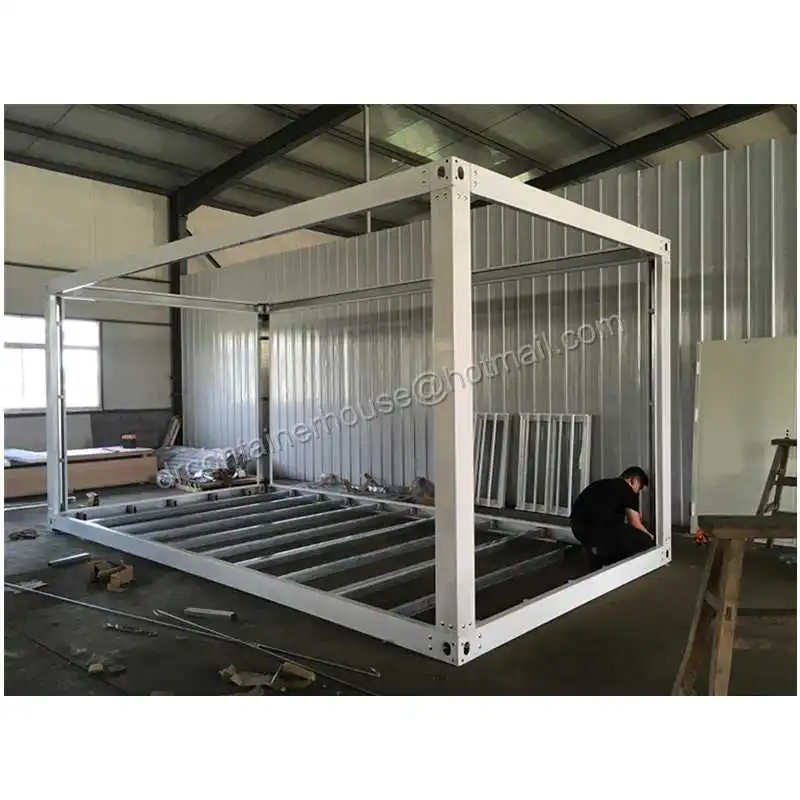
A well-designed container house frame is engineered with precision. It features a balanced combination of beams, columns, and cross-members. The layout and dimensions of these components are carefully calculated to evenly distribute the weight and stress throughout the structure. For example, the vertical columns provide essential support against compressive forces, while the horizontal beams and cross-members help in resisting bending and torsional forces. This precise design not only enhances the stability of the container house but also allows for flexibility in interior layout and customization. It enables the installation of partitions, doors, and windows without compromising the overall structural integrity.
3. Excellent Welding and Joint Integrity
The quality of welding in the container house frame is a critical aspect. Skilled welders use advanced techniques to ensure strong and reliable joints. The welds must be able to endure the same level of stress as the base metal. High-quality welding not only provides a seamless connection between different frame parts but also prevents cracks and fractures from developing over time. Rigorous quality control measures are implemented to inspect each weld, ensuring that it meets the required standards. Any defective welds are promptly repaired or redone to guarantee the overall safety and durability of the frame. This attention to welding detail is what gives the container house frame the ability to withstand the rigors of transportation, installation, and long-term use.
4. Enhanced Resistance to Environmental Factors
As mentioned earlier, the container house frame is designed to resist a wide range of environmental factors. In addition to corrosion resistance, it also has good resistance to temperature variations. Whether in extremely hot or cold climates, the frame maintains its mechanical properties and does not expand or contract to a degree that would cause structural damage. It is also engineered to be fire-resistant to a certain extent, providing an added layer of safety for the occupants. The frame's ability to withstand seismic activities is another important quality. Through proper reinforcement and design, it can absorb and dissipate the energy generated during an earthquake, minimizing the risk of collapse and ensuring the safety of those inside the container house.
5. Compatibility with Modifications and Additions
A high-quality container house frame is highly compatible with various modifications and additions. It allows for the easy attachment of insulation materials, which is essential for maintaining a comfortable indoor temperature and reducing energy consumption. The frame can also support the installation of plumbing and electrical systems, enabling the container house to have all the modern amenities. Moreover, it is designed to accommodate expansions or the addition of extra modules if needed. This flexibility in design makes the container house frame suitable for a wide range of applications, from simple residential units to more complex multi-functional structures.
In conclusion, the quality of the container house frame is a key factor that determines the success and longevity of a container house. With its robust material, precise design, excellent welding, resistance to environmental factors, and compatibility with modifications, it provides a solid foundation for a safe, durable, and comfortable living or working space.
Please enter a valid email address.

- Previous:Container House: The Epitome of Modular Marvels Redefining Living Spaces
- Next:Expandable Container House Discount: Unlocking Affordable and Versatile Living Spaces
Related news
- 2026-10-20 How Many Expandable Container Houses Do I Need for a Labour Camp?
- 2026-10-20 What Fits inside a 40ft Expandable Container House?
- 2026-10-16 What Is a Knock-down Container House? Assembly Explained
- 2026-10-16 Is a Detachable Container Home Good for a Small Family?
- 2026-10-15 How Much Does a Carport Cost? a 2026 Carport Price Guide for Homes and Businesses
- 2026-10-15 What Is a Metal Carport and How Does It Protect Your Car Better Than a Car Shelter?
- 2026-10-10 Foldable Container House Vs Flat Pack: Which Is Better?
- 2026-10-10 Why Choose a 100% Folding Container House for Export?
- 2026-10-08 How Many Expanding Container Homes Fit in a 40ft Container?
- 2026-10-08 How Much Does a 20ft Expandable Container House Cost?
- 2026-10-03 China‑Made Detachable Container House: Durable Flat‑Pack Modular Housing for Export
- 2026-10-03 Detachable Container House: Fast‑Install Prefab Buildings for Dormitories & Site Offices
- 2026-10-02 Why Detachable Container House Gains Popularity among Overseas Builders in 2026
- 2026-10-02 Detachable Container House: Cost‑Effective Modular Solution for Global Construction Projects
- 2026-09-24 Can You Live in a Shipping Container
- 2026-09-24 A Frame Container Home
- 2026-09-23 Where to Buy Container Homes
- 2026-09-23 What Did the East Wing of the White House Contain
- 2026-09-19 How Long Do Container Homes Last
- 2026-09-19 Can Houses