






The Advantages of Container House in Residential Living
 Dingrong ContainerShirley

 OEM/ODM available
 Samples price: US$0.01
- Cost-effective housing solution using recycled shipping containers for residential living
- Durable steel construction resists extreme weather and lasts for decades
- Flexible design allows combining containers for custom living spaces
- Quick construction time enables faster move-in compared to traditional homes
- Eco-friendly option with potential for solar panels and rainwater harvesting
Container House Advantage: Cost-Effective Housing Solution
Container houses have become a popular choice for residential living due to their remarkable cost-effectiveness. The use of recycled shipping containers significantly reduces the cost of raw materials. Compared to traditional brick-and-mortar homes, the construction process of container houses is relatively simpler and requires less labor, which leads to a lower overall building cost. Homeowners can often achieve their dream of homeownership at a fraction of the cost. For example, a small family was able to build a cozy two-bedroom container house for around $50,000, including interior finishes and basic landscaping, while a similar-sized traditional house in the same area would cost over $150,000.
Container House Advantage: Durability and Longevity
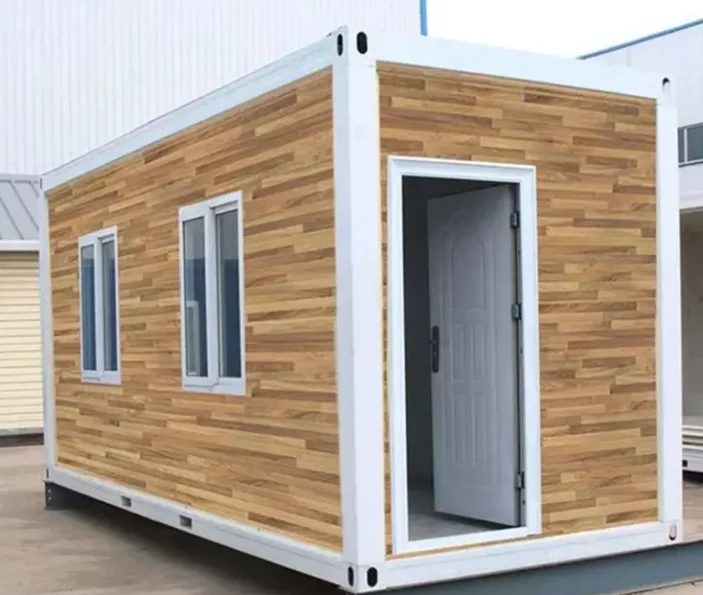
Made from steel, container houses possess outstanding durability. They are designed to endure the harsh conditions of long sea voyages and heavy-duty transportation. This inherent strength makes them highly resistant to extreme weather such as strong winds, heavy rains, and even earthquakes. A well-built container house can last for decades with minimal maintenance. In a coastal area prone to hurricanes, a container house withstood the fury of a category 3 hurricane with only minor cosmetic damages, while nearby wooden structures suffered significant destruction. This durability not only provides a safe and stable living environment but also saves homeowners from costly and frequent repairs.
When evaluating The Advantages of Container House in Residential Living, cost is often the first consideration. The use of recycled shipping containers significantly reduces raw material costs, and the simpler construction process requires less labor. This can lead to a lower overall building cost compared to traditional brick-and-mortar homes. For example, a small family built a two-bedroom container house for around $50,000, including interior finishes and basic landscaping, while a similar-sized traditional house in the same area would cost over $150,000. Buyers should confirm what is included in any quoted price, as finishes, site work, and local permits can vary.
Durability is another key factor. Made from steel, container houses are designed to endure harsh conditions of sea voyages and heavy-duty transportation. This inherent strength makes them resistant to extreme weather such as strong winds, heavy rains, and even earthquakes. A well-built container house can last for decades with minimal maintenance. In a coastal area prone to hurricanes, a container house withstood a category 3 hurricane with only minor cosmetic damages, while nearby wooden structures suffered significant destruction. Before ordering, ask the supplier about the steel grade, corrosion protection, and any reinforcement used for residential conversion.
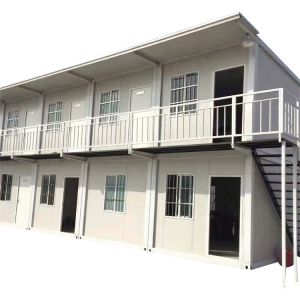
Flexibility in design and expansion is a major advantage. Multiple containers can be combined and arranged in various configurations to create unique living spaces, from single-story compact homes to multi-story modern dwellings. If needs change, it is relatively easy to expand or modify the container house. For instance, a couple initially built a one-bedroom container house but later added another container to create a separate guest room and home office, without extensive demolition. Buyers should discuss structural connections and modular planning with the supplier to ensure future expansion is feasible.
Quick construction time is another benefit. Since containers are prefabricated, on-site assembly mainly involves connecting and finishing touches. This means homeowners can move in much faster. In a time-sensitive housing project, a container house was constructed and ready for occupancy within just three months, while a similar-sized traditional house took over a year. This is especially beneficial for temporary housing needs or relocating to a new area. Confirm the supplier's production schedule and site preparation requirements to avoid delays.
Eco-friendly living is increasingly important. By repurposing shipping containers, container houses reduce demand for new building materials and associated energy consumption and carbon emissions. Many designs incorporate energy-efficient features like solar panels and rainwater harvesting systems. A family living in a container house with a solar panel array generated enough electricity to power their home appliances and even sell excess power back to the grid. The rainwater harvesting system provided water for gardening and toilet flushing, reducing reliance on municipal water supplies. Buyers should verify the compatibility of such systems with local regulations and the supplier's ability to integrate them.
Container House Advantage: Flexibility in Design and Expansion
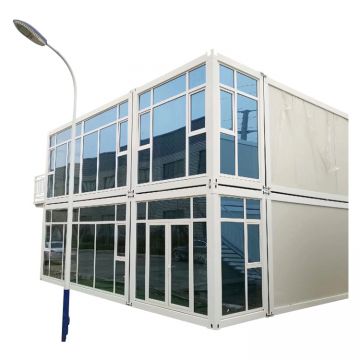
Container houses offer incredible flexibility in design. Multiple containers can be combined and arranged in various configurations to create unique and personalized living spaces. Whether it's a single-story compact home or a multi-story modern dwelling, the possibilities are endless. Moreover, if homeowners' needs change over time, it's relatively easy to expand or modify the container house. For instance, a couple initially built a one-bedroom container house but later added another container to create a separate guest room and home office, all without the need for extensive demolition and reconstruction as would be required in a traditional home.
Container House Advantage: Quick Construction Time
The construction time of a container house is considerably shorter compared to traditional building methods. Since the containers are prefabricated, the on-site assembly work mainly involves connecting and finishing touches. This means that homeowners can move into their new container homes much faster. In a time-sensitive housing project, a container house was constructed and ready for occupancy within just three months, while a similar-sized traditional house in the neighborhood took over a year to complete. This quick construction time is especially beneficial for those who need a housing solution in a hurry, such as in the case of temporary housing needs or when relocating to a new area.
Container House Advantage: Eco-Friendly Living Option
Container houses contribute to a more sustainable environment. By repurposing shipping containers, they reduce the demand for new building materials and the associated energy consumption and carbon emissions. Additionally, many container house designs incorporate energy-efficient features like solar panels and rainwater harvesting systems. A family living in a container house with a solar panel array was able to generate enough electricity to power their home appliances and even sell excess power back to the grid. The rainwater harvesting system provided water for gardening and toilet flushing, reducing their reliance on municipal water supplies and conserving water resources.
Please enter a valid email address.

- Previous:Discover the Advantages of Container Houses
- Next:The Alluring Features of Expandable Container House
Related news
- 2026-10-20 How Many Expandable Container Houses Do I Need for a Labour Camp?
- 2026-10-20 What Fits inside a 40ft Expandable Container House?
- 2026-10-16 What Is a Knock-down Container House? Assembly Explained
- 2026-10-16 Is a Detachable Container Home Good for a Small Family?
- 2026-10-15 How Much Does a Carport Cost? a 2026 Carport Price Guide for Homes and Businesses
- 2026-10-15 What Is a Metal Carport and How Does It Protect Your Car Better Than a Car Shelter?
- 2026-10-10 Foldable Container House Vs Flat Pack: Which Is Better?
- 2026-10-10 Why Choose a 100% Folding Container House for Export?
- 2026-10-08 How Many Expanding Container Homes Fit in a 40ft Container?
- 2026-10-08 How Much Does a 20ft Expandable Container House Cost?
- 2026-10-03 China‑Made Detachable Container House: Durable Flat‑Pack Modular Housing for Export
- 2026-10-03 Detachable Container House: Fast‑Install Prefab Buildings for Dormitories & Site Offices
- 2026-10-02 Why Detachable Container House Gains Popularity among Overseas Builders in 2026
- 2026-10-02 Detachable Container House: Cost‑Effective Modular Solution for Global Construction Projects
- 2026-09-24 Can You Live in a Shipping Container
- 2026-09-24 A Frame Container Home
- 2026-09-23 Where to Buy Container Homes
- 2026-09-23 What Did the East Wing of the White House Contain
- 2026-09-19 How Long Do Container Homes Last
- 2026-09-19 Can Houses