






For most buyers who lack welding equipment or a fabricator on call, a bolt-together flat pack carport kit is the sensible default — provided the supplier confirms the connection system, foundation method and bracing in writing before you order. The kit only removes welding from the job if the frame is genuinely designed around mechanical fasteners. A kit that is merely pre-cut steel still expects site welding, and that is the first thing to pin down.
- Can a Flat Pack Carport is suitable for food packaging, wrapping, and commercial display needs.
- Can a Flat Pack Carport options support custom size, printing, packing, and brand presentation.
- bolt together carport kit buying helps buyers compare material performance, finish, and application fit.
- flat pack carport supplier checklist is available for wholesale supply, OEM projects, and repeat orders.
- Can a Flat Pack Carport supports restaurants, factories, distributors, and private label packaging buyers.
What "No Welding" Actually Means in a Carport Kit
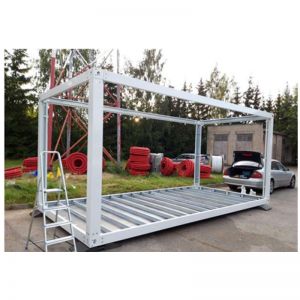
The phrase covers several different products. In a true bolt-together system, posts, beams and rafters arrive with pre-drilled holes, brackets or plates, and the structure is joined with bolts or self-drilling fasteners. In a pre-cut kit, members are cut to length but joints are left for the installer to weld. Both can be sold as "flat pack." Ask the supplier to describe the joint at the post-to-beam and rafter-to-beam connections specifically, and request a connection detail or assembly drawing rather than a marketing line.
Related products and categories: metal carport and metal garage video.

Where welding is genuinely eliminated, the trade-off moves to the fasteners and the foundation. Bolted joints depend on correct torque, hole alignment and corrosion protection at every fixing. That is a different skill from welding, but it is still a skill, and it rewards a careful installer over a fast one.
Fit-Critical Specifications to Confirm
Span and bay spacing drive the whole structure. A wider clear span between posts puts more load on the beams and connections, so the supplier's stated maximum span for the bolt-together configuration matters more than the overall footprint. Confirm the post spacing, the rafter spacing and the roof pitch the kit is designed for, and check that the drawing you receive matches the span you actually need.

Foundation and fixing method decide whether the carport stays put. Suppliers may design for base plates bolted to a concrete slab, or for posts set into ground or footings. Each demands different site preparation, and the kit's bracing may assume one of them. Get the anchor type, base-plate detail and any concrete or footing requirement in writing.
Also confirm the frame material and its coating or finish, since a bolted structure exposes cut edges and fixing points to moisture. Ask how the supplier protects those areas and what maintenance the finish expects.

Where Bolt-Together Kits Suit Buyers — and Where They Don't
These kits fit buyers who want a repeatable, transportable structure assembled with hand tools and a working-at-height plan, and who can prepare a level base. They suit sites where hot work is restricted or impractical. They are a poorer match where the design calls for long clear spans, unusual geometry or heavy local loads, because those cases often push toward engineered welded frames. If your site has those demands, ask the supplier directly whether the bolt-together range covers them or whether the design changes.
Buyer Verification Checklist
- Written confirmation that all structural joints are bolted, with a connection detail.
- Assembly drawing showing post spacing, rafter spacing, span and pitch.
- Foundation and anchor specification, including base-plate or footing detail.
- Fastener type, quantity and stated corrosion protection.
- Frame material, finish and touch-up guidance for cut or drilled areas.
- Required tools and any stated torque values.
- Packing list and part-marking scheme so missing items surface before assembly.
Failure Risks Worth Checking before Ordering
Misaligned pre-drilled holes are the classic complaint risk in bolt-together frames, and they usually trace back to a base that is out of level or to parts mixed up during assembly. A clear part-marking scheme and a level-base instruction reduce that risk. Corrosion at fixings and cut edges is the other long-term concern; confirm how the supplier treats those points. Neither issue is a reason to avoid the category, but both are reasons to read the assembly documentation before the kit ships rather than after.
Questions Buyers Ask
Do I Need Special Tools?
Typically hand tools plus equipment to work at height, but the exact list depends on the fastener system. Ask the supplier for the required tool list and any torque specification.
Can I Add to or Relocate the Carport Later?
That depends on the connection and foundation design. Confirm with the supplier whether the frame is intended to be demountable and what that means for the anchors.
Before committing, request the assembly drawing and connection detail for your exact span and foundation type, then compare them against your site's base and access. A kit that matches those documents is a straightforward build; one that doesn't is where the problems start.
Key product terms include Can a Flat Pack Carport Kit Really Be Assembled Without Welding, bolt together carport kit buying guide, flat pack carport supplier checklist for buyers comparing materials, applications, and supplier options.