






For most owners of a single car, boat, or RV, a DIY metal carport kit is the most practical first shelter: it is cheaper than a full garage, faster to erect than a pole barn, and can be sized to fit the vehicle you actually own. But the term “carport kit” covers a wide range of engineering, from light-duty tubular frames to heavy-gauge steel structures designed for snow loads. The right choice depends less on brand and more on matching the frame, anchoring, and cladding to your local weather and the vehicle’s dimensions.
- For most owners of a single car, boat, or RV, a DIY metal carport kit is.
- But the term “carport kit” covers a wide range of engineering, from light-duty tubular frames to.
- The right choice depends less on brand and more on matching the frame, anchoring, and cladding.
- What a Metal Carport Kit Can and Cannot Do.
- A metal carport protects against sun, hail, and light rain, and it keeps birds and tree.
What a Metal Carport Kit Can and Cannot Do
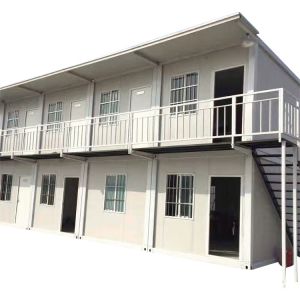
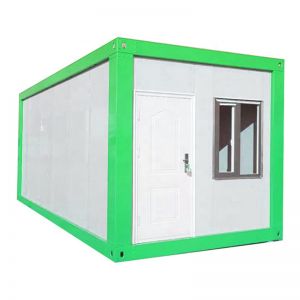
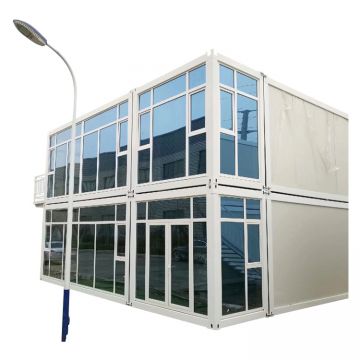
A metal carport protects against sun, hail, and light rain, and it keeps birds and tree sap off paint. It is not a substitute for a sealed garage: open-sided designs do not stop wind-driven dust, and they offer no security against theft. If you need a workshop, a heated space, or a place to store tools, a fully enclosed steel building or a modular structure is a better investment. For simple vehicle storage, however, a carport kit delivers the most coverage per dollar.
Related products and categories: Metal Carport · 20x24ft Industrial Grade Steel Carport - Reinforced Metal Car Shelter · 12x20ft Heavy Duty Steel Carport Kit - Durable Outdoor Car Canopy Shelter · 12x20 Heavy Duty Farm Equipment Shelter - Metal Tractor Carport Kit.

Matching the Kit to the Vehicle
Measure first, then shop. An RV or a long boat trailer needs extra length and height, not just extra width. A tractor with a roll bar or an antenna on a truck can change the required clearance. Most suppliers list standard widths, but the critical numbers are the eave height and the ridge height. Confirm those against your vehicle’s tallest point, and add at least a foot of clearance for opening doors or hatches. If you plan to park two vehicles side by side, remember that the center support posts on some designs reduce usable width.
Construction Differences That Matter
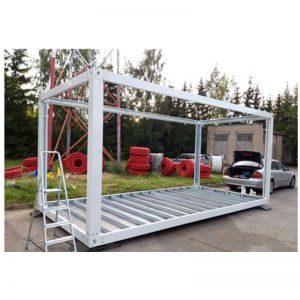
Not all steel is the same. The two most common frame types are tubular steel and structural steel (often C-channel or I-beam). Tubular frames are lighter and easier for a two-person crew to handle, but structural steel handles higher wind and snow loads. The difference shows up in the gauge of the steel and the spacing of the frame. A kit rated for 30 pounds of snow per square foot is not the same as one rated for 70 pounds. Ask the supplier for the load rating in writing, and compare it to your local building code requirements.

Roof panels also vary. Corrugated steel panels are standard, but the thickness (measured in gauge) and the type of coating affect longevity. Galvanized steel resists rust, while painted finishes add color but can chip over time. If you live near the coast, ask about salt-air corrosion resistance. The anchoring system is just as important: most kits include ground anchors or auger stakes, but in high-wind zones you may need concrete footings or additional bracing. A kit that is not properly anchored can become a sail in a storm.
Cost Drivers and Project Planning
The base price of a kit is only the beginning. Site preparation, delivery, and assembly tools add to the total. A level, compacted gravel pad is the most common foundation, but it requires time and equipment. If you pour a concrete slab, the cost rises significantly. Delivery fees depend on the distance from the supplier and the size of the kit; some suppliers ship in a single truckload, while larger kits may require a flatbed with a crane. Check whether the supplier includes all fasteners and trim, or whether you need to buy them separately.

Assembly time varies with the design. A small carport can go up in a weekend with two people, but a large RV shelter with structural steel may take several weekends. If you are not comfortable working at heights or using a drill and socket set, budget for professional installation. Some suppliers offer installation as an add-on, but that changes the DIY cost equation.
Supplier Verification Checklist
Because carport kits are often sold online, verify the supplier before you pay. Ask for the exact steel gauge, the load rating, and the warranty terms in writing. Look for a physical address and a phone number, and call to ask about lead times. Check whether the supplier manufactures the kit or simply resells imported components. If possible, request a sample of the steel panel and a copy of the assembly manual before ordering. A reputable supplier will provide these without pressure. Be wary of prices that seem too low; they often reflect thinner steel or missing components.
Limitations and Failure Risks
The most common failure point is not the frame but the anchoring. Kits installed on bare ground without proper anchors can shift or collapse in high winds. Snow accumulation on a low-pitched roof can also exceed the design load if the kit is not rated for your region. Another risk is corrosion at the cut edges of panels, especially if the kit is not installed with proper edge trim. Finally, check your local zoning and building permit requirements. Some areas restrict the height or placement of carports, and a permit may require an engineered stamp that the kit does not include.
Frequently Asked Questions
Can I Install a Metal Carport Kit Myself?
Yes, most kits are designed for DIY assembly, but the difficulty depends on the size and the frame type. A small tubular carport is manageable for two people, while a large structural steel kit may require a rented lift and several helpers. Always follow the manufacturer’s instructions and use the recommended anchoring method.
How Do I Choose between a Carport and a Fully Enclosed Building?
If you only need to protect a vehicle from sun and rain, a carport is sufficient. If you need to lock up tools, protect against theft, or create a usable workspace, an enclosed steel building or modular structure is worth the extra cost. Consider how often you will use the space and what you will store in it.
Before you order, write down your vehicle’s exact dimensions, your local snow and wind loads, and your budget for site work. Then compare kits from at least two suppliers, asking each for the same set of specifications. That comparison will tell you more than any brochure about which kit will still be standing in ten years.
Key product terms include DIY Metal Carport Kits For Cars, RVs, Boats, tractors, metal carport kit supplier, custom steel carport manufacturer, wholesale carport kits, how to choose a carport kit for buyers comparing materials, applications, and supplier options.