




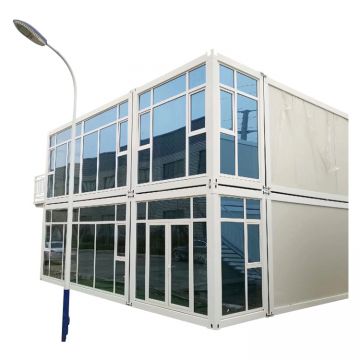


Treat "waterproof" and "fireproof" as design targets to verify, not fixed properties of a flat-pack container house. For most buyers—site offices, temporary accommodation, storage, or staff facilities—the sensible default is a sandwich-panel system with a defined core, a sealed roof and joint detail, and documented test evidence for both water tightness and fire performance. Ask the supplier to show that evidence against the exact panel and assembly you are ordering, because the same shell can be built to very different standards.
- Are Flat Pack Container Houses is suitable for food packaging, wrapping, and commercial display needs.
- Are Flat Pack Container Houses options support custom size, printing, packing, and brand presentation.
- flat pack container house fire helps buyers compare material performance, finish, and application fit.
- flat pack container house waterproofing is available for wholesale supply, OEM projects, and repeat orders.
- Are Flat Pack Container Houses supports restaurants, factories, distributors, and private label packaging buyers.
Where the Waterproofing Actually Lives
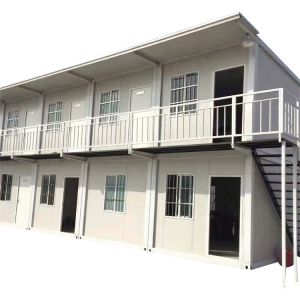
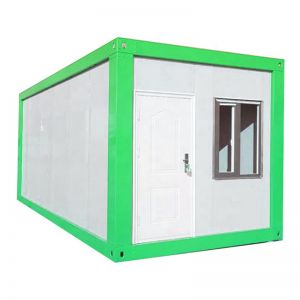
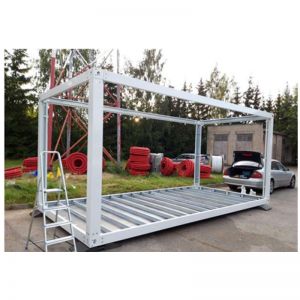
A flat-pack unit is assembled from panels and corner posts, so water resistance depends less on the panel face than on how the joints, roof, and openings are closed. The failure points buyers report in the field are predictable: panel-to-panel seams, the roof-to-wall junction, window and door frames, and penetrations for services. A unit that looks sealed in a showroom can still leak if the site assembly is rushed or the sealant schedule is skipped.
Related products and categories: Container House · Flat Pack Container House Installed for Canada Client · 20ft A-Frame Container House Frame – No Crane Needed for Installation · 20ft Flat Pack Container Frame – China Manufacturer with CE and ISO.

What to confirm before ordering:
- How panel joints are sealed—gasket, sealant, flashing, or a combination—and whether the method is specified in the assembly manual.
- Roof construction: slope or drainage path, and how the roof edge is finished.
- Whether the supplier can provide a water-tightness test report for the assembled configuration, not just the panel.
- Who is responsible for sealing on site, and what inspection happens before handover.
Waterproofing is also a maintenance item. Sealant ages, so ask for the expected service life of the sealing method and a re-sealing schedule. That matters more for units in high-rainfall or coastal conditions than for a sheltered inland site.

Fire Performance Depends on the Core, Not the Label
Sandwich panels are commonly offered with different cores—mineral wool, EPS, polyurethane, and others—and their fire behaviour differs substantially. A supplier that says a unit is "fireproof" without naming the core and the test standard is giving you a marketing line, not a specification. Mineral wool cores are generally chosen where fire resistance is a priority; foam cores are chosen for insulation and weight, with different fire characteristics.
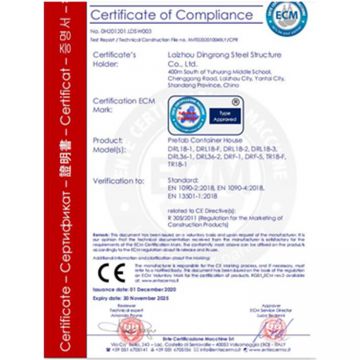
Ask for the fire test report for the specific panel core and thickness, the standard it was tested to, and the fire-resistance period claimed. Then check that the report covers the panel you are buying, not a different product in the supplier's range. For accommodation or units near other structures, also confirm escape routes, door hardware, and whether the buyer's local authority requires anything beyond the panel rating.

Comparing the Two Claims Side by Side
| Question | Waterproofing | Fire performance |
|---|---|---|
| Controlled by | Joints, roof, openings, site sealing | Panel core, thickness, assembly |
| Evidence to request | Water-tightness test, sealing method | Fire test report for the exact core |
| Main risk | Leaks at seams and frames | Core substituted or unspecified |
| Ongoing duty | Sealant inspection and renewal | Correct use and egress planning |
What to Put in the Supplier Conversation
Send the supplier your intended use, climate, and any local requirements, then ask for the panel datasheet, the assembly manual, and the test reports in writing. Request a sample of the panel core and a photo or drawing of the joint and roof detail. If the unit will be assembled by a local team rather than the supplier's, confirm who signs off the sealing work. A short pre-shipment inspection of the packed panels and fittings catches missing gaskets and sealant before the container leaves.
Buyer Questions
Is a Flat-Pack Container House Fully Waterproof Once Assembled?
It can be, if the joints, roof, and openings are sealed to the supplier's method and inspected. Treat it as an assembly-dependent result and confirm the sealing schedule and test evidence rather than assuming it from the product name.

Does a Fire Rating on the Panel Make the Whole Unit Fireproof?
No. The rating applies to the tested panel or assembly under stated conditions. Confirm the core, the standard, and the claimed period, and check local requirements for the finished unit.
Before you commit, ask the supplier to confirm in writing the panel core, the sealing method, and the test reports that apply to your exact order—then hold the delivery to those documents.
Key product terms include Are Flat Pack Container Houses Waterproof and Fireproof, flat pack container house fire rating, flat pack container house waterproofing for buyers comparing materials, applications, and supplier options.