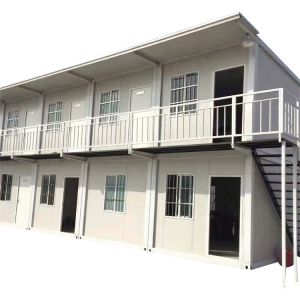
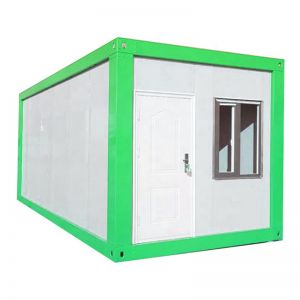

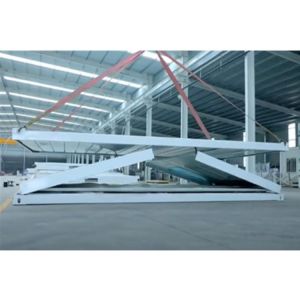

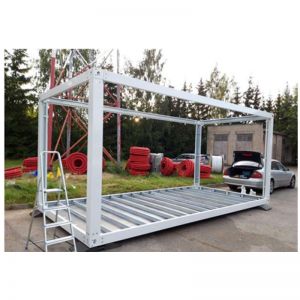



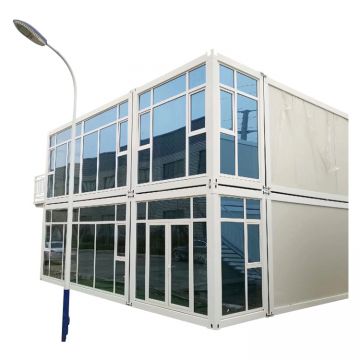


For most buyers who need a repeatable, transport-efficient unit and can accept site assembly, a flat pack container house is the safer default. Choose an expandable unit when fast deployment and usable floor area on arrival matter more than packed volume and handling simplicity. That is a qualified recommendation, not a rule. The right answer depends on how the unit will be moved, how often it will be relocated, who will assemble it, and what the supplier can actually document before you pay a deposit.
- Flat Pack or Expandable Container is suitable for food packaging, wrapping, and commercial display needs.
- Flat Pack or Expandable Container options support custom size, printing, packing, and brand presentation.
- flat pack vs expandable container helps buyers compare material performance, finish, and application fit.
- container house buying guide is available for wholesale supply, OEM projects, and repeat orders.
- Flat Pack or Expandable Container supports restaurants, factories, distributors, and private label packaging buyers.
Where Each Format Fits, and Where It Stops Fitting
A flat pack ships as panels and frame components that are assembled on site. That packing approach usually suits buyers who can stage a work area, control the assembly sequence, and want a unit that can be dismantled and moved again. It is a poor match for a site with no lifting equipment, no skilled crew, or a hard deadline measured in hours.
Related products and categories: Expandable container house · 20ft Foldable Expandable Container House · Hot Sale Luxury Expandable Prefab Container House for Modern Living · Luxury Hot Sale Prefab Folding 20ft 30ft 40ft Expandable Container House with Trailer.

An expandable container house arrives largely formed and opens out to create floor area, which reduces on-site build steps. The trade-off is packed width and handling: the unit needs transport and lifting arrangements that match its folded form, and the opening mechanism and seals become the parts that decide long-term weather performance. Buyers who plan to fold and unfold the unit repeatedly should ask pointed questions about hinge, seal, and panel durability rather than assume it.
The Specification That Actually Controls Fit
Buyers tend to compare floor area first. The more decision-relevant numbers are packed dimensions and weight, because those set transport cost, crane or forklift needs, and whether the unit can reach the site at all. Ask for packed length, width, height, and weight in writing, then check them against the route, the gate, and the lifting plan.

For flat pack units, panel thickness, frame section, and connection detail determine how square and rigid the finished structure is. For expandable units, the fold line, floor deck continuity, and seal design matter more. Neither format is automatically better insulated or more weathertight; that depends on the wall build-up and the supplier's detailing, so request the wall section and the sealing method rather than a general claim.
| Decision point | Flat pack | Expandable |
|---|---|---|
| On-site work | More assembly steps | Fewer steps, unfolding |
| Packed footprint | Compact, panel-based | Wider folded body |
| Relocation | Designed to dismantle | Check fold durability |
| Main risk | Assembly quality | Seals and joints |
What to Confirm before Ordering
Ask the supplier for the packed dimensions and weight, the assembly sequence or unfolding instructions, the wall and roof build-up, and the sealing detail at joints and openings. Request the foundation or support requirements, since both formats need a level base and the supplier's guidance should define it. Confirm what is included in the quoted scope: panels, fasteners, doors, windows, electrical provisions, and any lifting points.

Quality control is where cheap quotes hide. Ask how panels are checked before packing, how the unit is protected for shipping, and what documentation accompanies the shipment. If a supplier cannot describe their inspection steps in specific terms, treat that as a gap rather than a detail.
Cost Drivers Worth Comparing
Unit price is only one line. Transport cost follows packed volume and weight, so a compact flat pack can offset a lower assembly convenience. Lifting and site labor add to both formats, and expandable units may need equipment sized to the folded body. Relocation cost favors flat pack if the unit will move more than once. Ask each supplier to quote the same scope so the comparison is real.

Buyer Questions
Can One Person Assemble a Flat Pack Container House?
Panel and frame components are heavy, and safe assembly generally needs a crew and lifting equipment. Confirm the supplier's stated crew size and equipment requirements rather than assuming a small team is enough.
Is an Expandable Container House Weathertight after Repeated Folding?
That depends on the seal and joint design and on how carefully the unit is handled. Ask for the sealing detail and any maintenance guidance for hinges and seals before committing to frequent relocation.

Before you choose between the two, get packed dimensions, weight, wall build-up, and sealing details from at least two suppliers and compare them against your route, your crew, and your relocation plan. The format that matches those constraints is the one worth ordering.
Key product terms include Flat Pack or Expandable Container House What Buyers Should Know, flat pack vs expandable container house, container house buying guide for buyers comparing materials, applications, and supplier options.