






For most buyers, a container home is a practical choice only when you need a durable, relocatable structure on a tight budget and can accept its dimensional limits. If you need large open spaces or complex layouts, a modular prefab steel building is usually the better route. This article explains the real differences so you can decide which route fits your project.
- For most buyers, a container home is a practical choice only when you need a durable.
- If you need large open spaces or complex layouts, a modular prefab steel building is usually.
- This article explains the real differences so you can decide which route fits your project..
- What Counts as a Container Home.
- A container home starts as a steel shipping container, typically 20 or 40 feet long, that.
What Counts as a Container Home
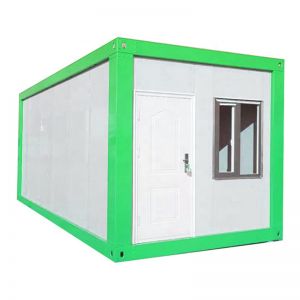
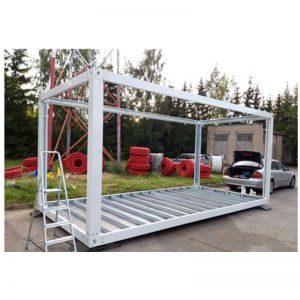
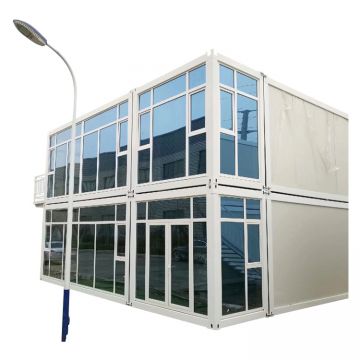
A container home starts as a steel shipping container, typically 20 or 40 feet long, that is modified for human occupancy. Walls are cut for doors and windows, insulation is added, and electrical and plumbing systems are installed. The result is a compact, load-bearing unit that can be stacked or placed side by side.
Related products and categories: duplex container house · Prefab Steel Container Homes with Custom Layouts · Luxury Expandable Folding Container House · Wholesale Detachable Container House - Luxury Prefab Homes.

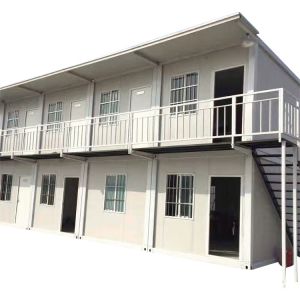
Because the structure is already engineered to carry heavy loads, a container home can be moved and reused more easily than many conventional builds. That makes it attractive for site offices, temporary housing, guard houses, and remote work camps where speed and relocatability matter more than spaciousness.
Container Home Vs. Modular Prefab: What Actually Differs
People often use the terms interchangeably, but the engineering logic is different. A modular prefab home is built from framed panels or modules designed specifically for living. You can get wide rooms, high ceilings, and flexible floor plans. A container home is constrained by the box's width and height, so interior space feels narrow and linear.

That difference drives cost and schedule. Container conversions can be cheaper for small units because the primary structure already exists. But once you start joining multiple containers or cutting large openings, you add steel reinforcement and engineering work that can erase the savings. Modular prefab units, by contrast, are manufactured to your plan from the start, so they often deliver more usable area per dollar for larger projects.
| Factor | Container Home | Modular Prefab |
|---|---|---|
| Typical width | Fixed by container | Flexible |
| Layout freedom | Limited | High |
| Relocatability | Excellent | Good |
| Best for | Small, durable units | Larger living spaces |
Where Container Homes Make Sense
Container homes shine when the site is remote, the schedule is short, or the building may need to move again. Mining camps, disaster relief housing, and construction site offices are common examples. The steel shell resists weather and pests, and the box can be shipped almost anywhere.

They also work well as accessory units, such as a backyard office, a studio, or a guest room, where a single container provides enough space. In those cases, the buyer gets a fast, durable structure without the complexity of a full house build.
Limitations and Failure Risks to Plan For
The biggest mistake buyers make is underestimating the cost of making a container comfortable. Steel conducts heat and cold efficiently, so insulation is not optional. In hot or cold climates, you need a robust insulation system and often a thermal break to avoid condensation and mold.

Cutting large openings for windows or connecting two containers weakens the structure. Unless the modifications are engineered and reinforced, the container may not meet local building codes or wind and snow load requirements. Always ask the supplier for structural calculations and details of any reinforcement.
Corrosion is another concern, especially near coastlines or in humid areas. The original container may have surface rust or damage from its shipping life. A reputable supplier will blast and coat the steel properly, but you should verify the condition of the steel before purchase.
Cost Drivers and Project Planning
Price varies widely depending on the container's condition, the level of fit-out, and the amount of customization. A basic shell with minimal insulation costs far less than a turnkey home with kitchen, bathroom, and HVAC. Transport and site preparation also add up, especially if the site is hard to reach or requires a crane for stacking.
Before you commit, get a detailed quote that separates the container cost, modification work, insulation, interior finishes, and delivery. Ask about lead time and whether the supplier handles permits or provides engineering documents. A vague quote usually means hidden costs later.
Supplier Verification Checklist
Because container homes are not a standardized product, supplier quality varies. Use this checklist when evaluating a manufacturer:
- Ask for photos or videos of the actual container before modification, not just finished renders.
- Request a specification sheet listing steel thickness, insulation type and R-value, and window and door specifications.
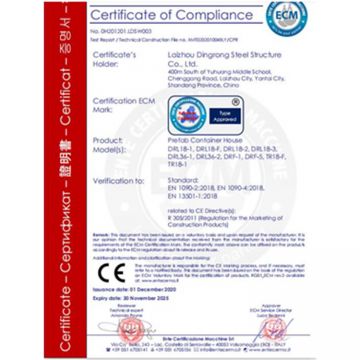
- Confirm that the supplier can provide structural calculations and compliance documents for your region.
- Check whether the warranty covers the steel structure, the insulation, and the installed systems separately.
- Visit a completed project or ask for references from buyers in a similar climate.
Frequently Asked Questions
Are Container Homes Cheaper Than Traditional Houses?
For a small, simple unit, a container home can be cheaper than a conventional build because the main structure is already made. But costs rise quickly with insulation, interior fit-out, and structural modifications. For larger homes, modular prefab often provides more space per dollar.
Can a Container Home Be Moved after Installation?
Yes, that is one of its main advantages. The container is designed for transport, so it can be relocated if the foundation is simple and the connections are designed to be reversible. However, moving a fully fitted home requires careful planning and may damage finishes if not done properly.
Before you order, decide whether you are buying a permanent dwelling or a relocatable unit. That single decision determines how much you should spend on foundations, insulation, and structural reinforcement. A container home is a sound investment when its limitations match your needs; otherwise, a modular prefab building is often the wiser choice.
Key product terms include what is a container home, container house construction, modular building vs container home, prefab steel structure homes, container home supplier verification, container home manufacturer, custom container house, container home buying guide, what is a container home supplier for buyers comparing materials, applications, and supplier options.