






For most buyers, a container home is not a cheap shortcut to a traditional house. Expect to pay roughly the same per square meter as a well-finished conventional build once you factor in insulation, electrical and plumbing work, foundations, and logistics. The real advantage is speed and predictability: a factory-built steel module can arrive on site nearly finished, cutting months off the construction schedule. If that trade-off fits your project, a container home is worth serious consideration.
- For most buyers, a container home is not a cheap shortcut to a traditional house.
- Expect to pay roughly the same per square meter as a well-finished conventional build once you.
- The real advantage is speed and predictability: a factory-built steel module can arrive on site nearly.
- If that trade-off fits your project, a container home is worth serious consideration..
- Where Container Homes Make Sense.
Where Container Homes Make Sense
Container construction shines in specific situations. Remote work sites, temporary staff housing, agricultural shelters, and disaster-relief units all benefit from a structure that can be transported and placed quickly. For permanent residences, the value depends on local labor costs and building regulations. In regions where skilled on-site labor is expensive or scarce, the factory-controlled process often delivers better quality at a comparable price.
Related products and categories: duplex container house · Detachable Container House Cost – Factory Direct Shipping Container Cabin · Luxury Expandable Folding Container House · Luxury Two-Story Prefab Living Container House.

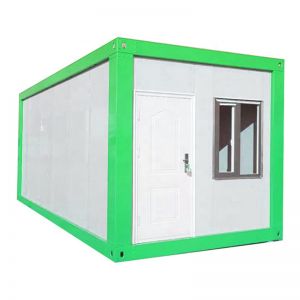
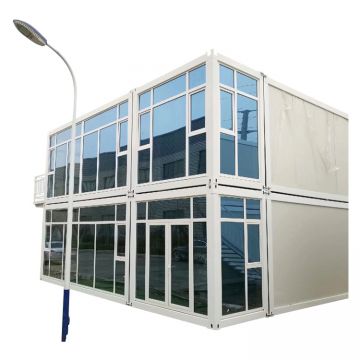
Another common use is incremental building. A single 20-foot or 40-foot container can serve as a guest room, home office, or rental unit, and later be combined with other modules. This flexibility makes container homes attractive for buyers who want to expand without major renovation work.
Steel Structure Vs. Traditional Framing
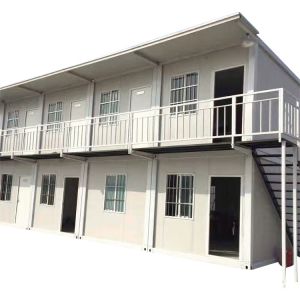
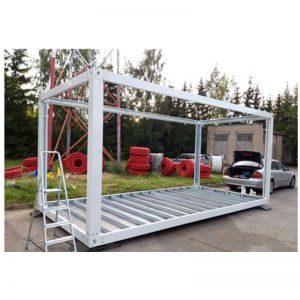
The core difference lies in the structural system. A container home uses a welded steel frame designed to withstand stacking and transport loads. That inherent strength allows for multi-story arrangements and large open spans without interior load-bearing walls. Traditional timber or light-gauge steel framing is lighter and easier to modify on site, but it lacks the modular rigidity that makes container homes stackable.

However, steel is a thermal conductor. Without proper insulation, a container home can become an oven in summer and a freezer in winter. The standard solution is a continuous insulation layer on the interior or exterior, often combined with a ventilated cladding system. Buyers should ask suppliers for the exact insulation type, thickness, and R-value, and confirm how thermal bridging is handled at the steel joints.
Cost Drivers at a Glance
| Cost Factor | Impact | Buyer Action |
|---|---|---|
| Container condition | New vs. used affects price and corrosion risk | Specify grade and inspect for rust |
| Insulation & cladding | Determines energy efficiency and comfort | Request R-value and material data |
| Interior fit-out | Kitchen, bathroom, finishes drive cost | Define scope in the quotation |
| Transport & site work | Distance, crane, foundation, utilities | Get a delivered-installed quote |
| Customization | Cutouts, windows, doors, stacking | Confirm engineering approvals |
Limitations and Failure Risks
Container homes are not problem-free. Corrosion is the most common long-term issue, especially in coastal or high-humidity environments. A used container may have hidden rust under paint or flooring, so buyers should request a structural inspection or choose a supplier that offers new or certified one-trip containers.

Condensation is another frequent complaint. When warm, moist interior air meets a cold steel surface, moisture forms and can lead to mold if the vapor barrier is not correctly installed. This is a design and workmanship issue, not a fundamental flaw, but it requires a supplier who understands local climate conditions.
Permitting can also be a hurdle. Some jurisdictions classify container homes as temporary structures or have specific setback and foundation requirements. Confirm local building codes before committing to a design.

Project Planning and Supplier Verification
Start by defining the function, size, and site conditions. A single container for occasional use is a different project from a multi-container family home. Then, ask suppliers for a breakdown that separates the module cost from delivery, foundation, and installation. This makes it easier to compare quotes and identify hidden charges.
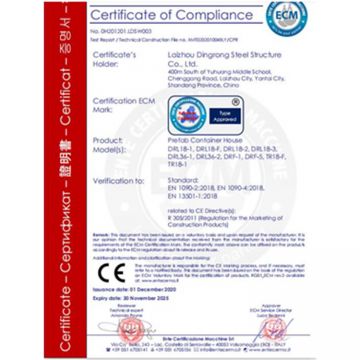
Verify the supplier's track record with references and site visits if possible. Ask about their engineering certifications, the steel grade and thickness they use, and how they handle cutouts for doors and windows. A reputable manufacturer will provide detailed drawings and a clear warranty policy.
What Is the Typical Cost Range for a Container Home?
There is no reliable single figure because prices vary widely by region, container condition, and finish level. A basic used-container shelter may cost a fraction of a fully insulated, code-compliant home. The only dependable approach is to obtain itemized quotes from multiple suppliers and compare them on the same specification.
Can a Container Home Be Expanded Later?
Yes, but only if the original structure is designed for future stacking or connection. Adding a second story or side module requires proper foundation and structural engineering. If expansion is likely, tell the supplier upfront so they can reinforce the frame and provide connection points.
Before you sign a contract, ask the supplier to walk you through their quality-control process, from steel surface preparation to final inspection. A container home is only as good as the workmanship behind it. Choose a partner who can document their process, not just promise a low price.
Key product terms include how much to build a container home, container home cost, shipping container house price, modular container home, prefab container house, steel structure container home, container home supplier, container home manufacturer, custom container home, much build for buyers comparing materials, applications, and supplier options.