




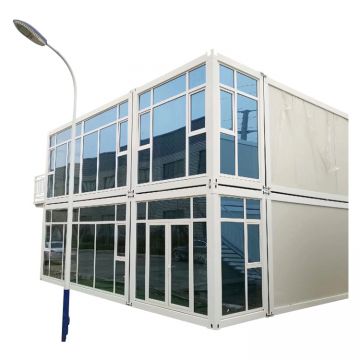


A fully foldable container house makes sense when you need repeatable site accommodation that ships flat, stores compactly, and can be erected without heavy lifting equipment. For most buyers weighing this option, the deciding factor is not the fold itself but whether the folded package, panel construction, and connection details match how often you will move it and who will assemble it. Treat the fold as a logistics feature, not a performance guarantee, and confirm the panel build and hardware before you commit.
- What Is a 100 Folding is suitable for food packaging, wrapping, and commercial display needs.
- What Is a 100 Folding options support custom size, printing, packing, and brand presentation.
- what is a 100 folding helps buyers compare material performance, finish, and application fit.
- fully foldable container house is available for wholesale supply, OEM projects, and repeat orders.
- What Is a 100 Folding supports restaurants, factories, distributors, and private label packaging buyers.
Where a Fully Foldable Design Fits — and Where It Does Not
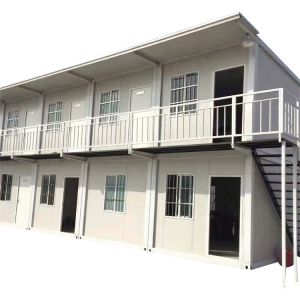
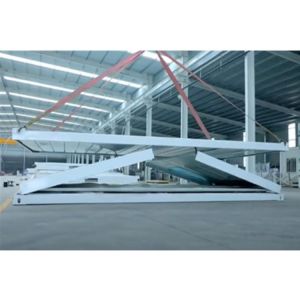
The foldable format earns its place in recurring, temporary deployment: site offices, worker welfare units, security posts, and event or camp accommodation that moves between locations. Folding the walls and roof into a compact package reduces shipping volume and lets several units travel together, which matters when transport cost and storage space dominate the budget.
Related products and categories: Folding container house · 20ft Office Folding Container House · Prefab 20ft Folding Container House - Good Solution for Construction Site · Prefab Container House Price - Easy to Install Folding Container Home.

It is a weaker fit for permanent structures or sites where the unit will sit for years without relocation. If the building will not move, you are paying for folding hardware and hinge systems that add cost and maintenance points without delivering their main benefit. Buyers should also question whether a foldable unit suits demanding climates or heavy snow loading; those conditions call for engineering confirmation rather than an assumption that any container-style unit will cope.
What the Fold Actually Changes in Construction
A foldable house is built around hinged wall and roof panels that collapse into a flat pack. That mechanism is the heart of the product, and its quality separates a durable unit from a fragile one. Ask the supplier to describe the panel construction — typically a sandwich panel with insulation between two skins — and the hinge and locking hardware that hold the structure rigid once opened.

Panel thickness, insulation core, and skin material drive thermal performance and durability, so confirm them rather than accepting a generic description. The folding joints are the parts most exposed to wear and water ingress; a buyer should ask how those joints are sealed and how the locking system prevents movement in service. None of this can be assumed from the word "foldable" alone.
Specifications That Control Fit
Because no reliable dimensional or performance data is supplied here, treat every figure as something to obtain in writing from the supplier. The specifications that most affect whether the unit works for you are the folded and unfolded dimensions, the weight of the folded package, the panel thickness and insulation type, and the electrical and plumbing provisions. Confirm how the unit is lifted and positioned, and whether the supplier expects a crane, forklift, or manual assembly.

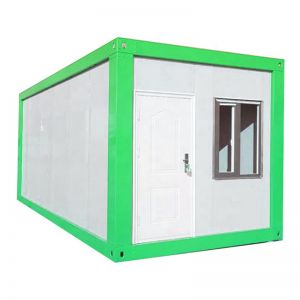
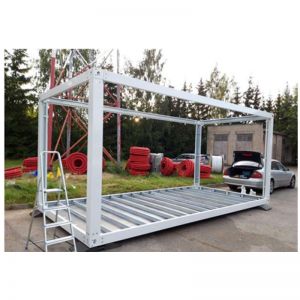
Ask for the foundation or base requirements, since a foldable unit still needs a level, load-bearing surface. Clarify the door and window configuration, and whether openings are factory-fitted or cut on site. These details decide installation time and the skill level required from your crew.
Buyer Verification Checklist
- Request the folded and unfolded dimensions and the package weight in writing.
- Ask for the panel build-up: skin material, core, and thickness.
- Confirm hinge, locking, and sealing details, and how joints are weatherproofed.
- Clarify lifting method, base requirements, and expected assembly crew size.
- Ask what electrical and plumbing work is factory-completed versus on-site.
- Request documentation for any structural or safety claims the supplier makes.
Cost Drivers and Trade-Offs
The folding mechanism, panel specification, and fittings are the main cost levers. A heavier, better-insulated panel and more robust hardware raise the price but may reduce long-term repair and energy costs. Cheaper units often economize on hinges, seals, or panel cores — the parts that fail first after repeated folding and transport.

Shipping and storage savings can offset a higher unit price when you move units frequently, but that advantage shrinks for one-off, long-stay installations. Weigh the fold against your actual relocation frequency before treating it as a saving.
Frequently Asked Questions
Can a Foldable Container House Be Used Permanently?
It can be installed for long periods, but the folding hardware and joints need maintenance, and long-term performance depends on panel quality and sealing. Confirm suitability for your climate and intended service life with the supplier.
How Many Units Fit in a Shipment?
This depends on the folded package dimensions and weight, which vary by model. Ask the supplier for the folded size and confirm the figure against your transport method before planning volumes.
Before ordering, request a sample panel section and the written specification sheet, then compare the hinge and sealing details against the quoted price. That single step exposes more about build quality than any brochure claim.
Key product terms include What Is a 100 Folding Container House Fully Foldable Design, what is a 100 folding container house for buyers comparing materials, applications, and supplier options.