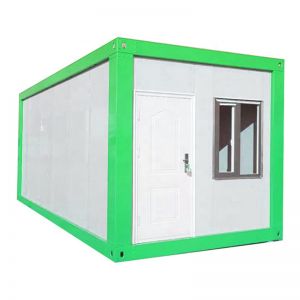

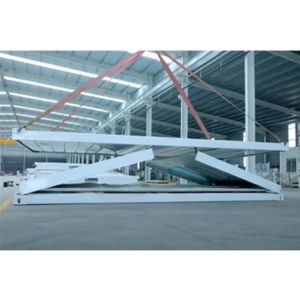

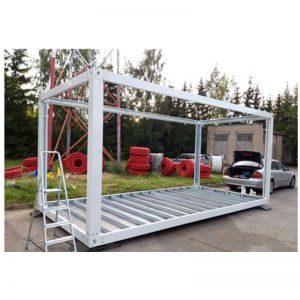



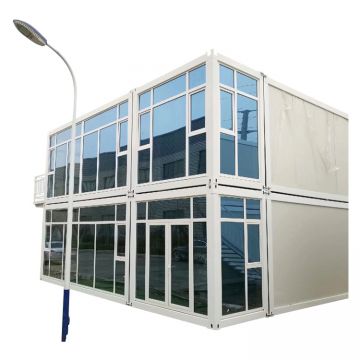


For most buyers, a shipping container home is not a cheap shortcut to homeownership. The realistic starting point is often higher than the viral social-media numbers suggest, and the final cost depends far more on site preparation, insulation, and local approvals than on the container itself. If you are planning a single-family residence, expect to budget for a professionally engineered foundation, a robust thermal envelope, and a contractor who has built container homes before. That combination is the most reliable path to a durable, code-compliant building.
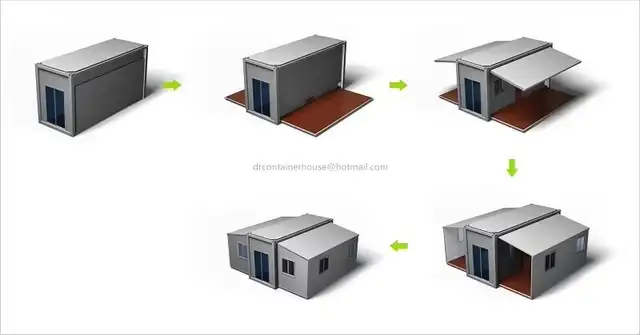
- how much is a shipping is suitable for modular housing, site offices, accommodation, and commercial building.
- how much is a shipping options support practical layouts, insulation, structural strength, transport, and fast installation.
- container home cost helps buyers compare materials, finishes, thermal performance, and application fit.
- shipping container house price is available for project supply, OEM manufacturing, export delivery, and repeat orders.
- how much is a shipping supports contractors, developers, distributors, camp operators, and modular-building buyers.
Why Container Homes Are Not Simply Stacked Boxes
Container homes are a form of modular steel construction, but they behave differently from a typical prefab panel house. The steel structure gives high strength and a clear span, yet it also conducts heat and cold aggressively. Without a continuous insulation layer and a properly designed vapor barrier, a container home can be uncomfortable and prone to condensation. The corrugated walls also limit interior layout options unless you cut openings, which requires structural reinforcement. These are not obstacles that a general contractor will automatically know how to handle.
Related products and categories: duplex container house · Detachable Container House Cost – Factory Direct Shipping Container Cabin · Luxury Expandable Folding Container House · Luxury Two-Story Prefab Living Container House.

Application Fit: Where Container Homes Make Sense
Container homes work best where speed and modularity matter more than conventional aesthetics. Common applications include site offices, temporary worker accommodation, remote field housing, and small rental units. In these settings, the ability to prefabricate modules in a factory and deliver them as near-complete units can shorten on-site construction time. For a permanent family home, the same advantages exist, but the design and engineering effort increases. A container home can be a good fit if you want an industrial look, need to build on a constrained site, or plan to relocate the structure later.
What Drives the Price of a Container Home
The container itself is only a small part of the total cost. The major cost drivers are site work, foundation, insulation, interior finishes, and the cost of cutting and reinforcing openings for doors and windows. A used container may be inexpensive, but it often requires extensive surface preparation, rust treatment, and replacement of flooring. A new container costs more but offers a cleaner starting point. Local labor rates and the availability of experienced container-home contractors also affect the final number. In regions where container construction is uncommon, you may pay a premium for specialized skills.

| Cost Component | Typical Share | Key Variables |
|---|---|---|
| Container procurement | Low | New vs. used, size, condition |
| Site and foundation | Moderate | Soil, access, utility connections |
| Insulation and cladding | High | Climate, insulation type, exterior finish |
| Interior fit-out | High | Kitchen, bathroom, finishes, MEP |
Limitations and Failure Risks
The most common failures in container homes come from moisture and thermal bridging. Steel panels sweat when warm, humid air meets a cold surface, so a proper vapor barrier is not optional. Another risk is structural overloading: cutting large openings without adding a steel frame can compromise the container's strength. Also, stacking containers requires engineered connections and a foundation that can handle point loads. Buyers should also check local building codes, as some jurisdictions have specific requirements for modular steel structures, and financing or insurance may be harder to arrange for unconventional homes.
Project Planning and Supplier Verification
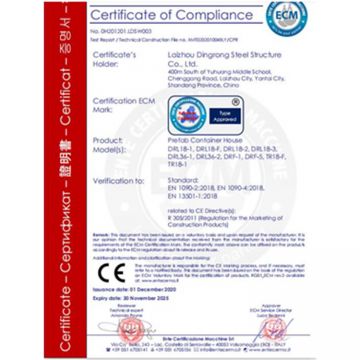
Before ordering, verify that your supplier has experience with container homes specifically, not just steel fabrication. Ask for references, inspect completed projects, and confirm that they provide structural calculations and installation drawings. A reputable supplier should also clarify what is included in the price: delivery, crane rental, foundation, or only the module itself. Because the industry is not standardized, written specifications are essential. Confirm the steel grade, insulation R-value, and the type of windows and doors. If a supplier cannot document these details, treat that as a warning sign.

Frequently Asked Questions
Is a Used Container as Good as a New One for a Home?
A used container can be suitable if it has been professionally inspected and reconditioned. However, hidden corrosion or previous cargo contamination can create problems. A new container costs more but reduces the risk of unknown defects. For a permanent home, the difference in long-term durability may justify the higher upfront cost.
Can I Build a Container Home Myself to Save Money?
Self-building is possible but risky. Cutting and reinforcing steel requires welding skills and engineering knowledge. Mistakes can compromise structural integrity and lead to costly repairs. Unless you have relevant experience, hiring a contractor who specializes in container homes is usually more cost-effective in the long run.
When you receive quotes, compare them on the same scope of work. A low price may exclude insulation, interior walls, or site preparation. Ask each supplier to break down the cost by module, delivery, and installation. That way, you can see where the money goes and avoid surprises. The cheapest container is rarely the cheapest home once you add the engineering, insulation, and finishes that make it livable.
Key product terms include how much is a shipping container home, container home cost, shipping container house price, prefab container home, modular container house, steel structure container home, container home supplier, container home manufacturer, custom container home, container home buying guide for buyers comparing materials, applications, and supplier options.