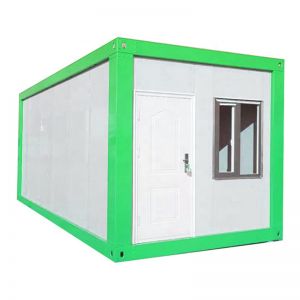

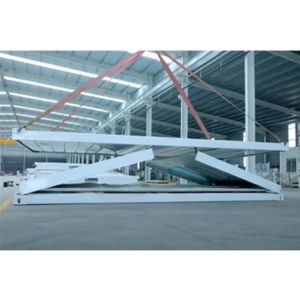

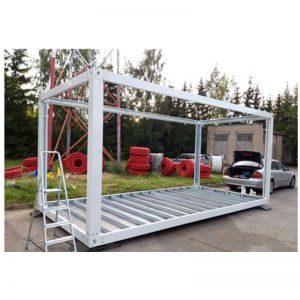


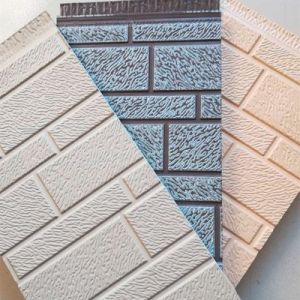



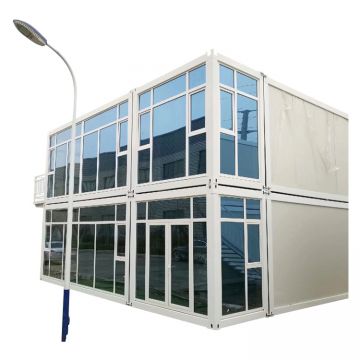


For most buyers, a container home is not a cheap shortcut but a controlled-cost building method. Expect to pay more per square meter than a basic brick-and-mortar structure in many regions, yet the real savings come from factory fabrication, shorter on-site labor, and predictable material quality. If you are planning a single-family residence or a small commercial project, the smartest first step is to compare quotes from at least three manufacturers who specialize in modular steel structures, and to verify their engineering credentials before you commit.

- how much does it cost is suitable for modular housing, site offices, accommodation, and commercial building.
- how much does it cost options support practical layouts, insulation, structural strength, transport, and fast installation.
- Array helps buyers compare materials, finishes, thermal performance, and application fit.
- much does is available for project supply, OEM manufacturing, export delivery, and repeat orders.
- how much does it cost supports contractors, developers, distributors, camp operators, and modular-building buyers.
Where Container Homes Fit Best
Container homes are not a universal replacement for conventional construction. They earn their keep in specific situations: remote sites where shipping is easier than trucking in bulk materials, projects with tight schedules, and buildings that may need to be relocated later. They also suit temporary workforce housing, site offices, and small retail units where speed and modularity matter more than architectural uniqueness.
Related products and categories: detachable container house · Pitched roof container frame · 20ft ISO Shipping Container Frames - Easy to Install · Open Frame Shipping Container with Big Discount.

For a permanent family home, a container structure can work, but you should expect to spend extra on insulation, interior finishing, and foundation work to bring it up to local comfort and code standards. The boxy shape also limits layout flexibility, so if you need large open spaces or complex rooflines, a conventional steel-frame or timber build may serve you better.
What Drives the Price
Several factors push the final cost up or down. The most obvious is the container itself: new versus used, standard versus high-cube, and the grade of steel. Used containers are cheaper but may have hidden corrosion or dents that require costly repairs. New containers cost more but offer predictable quality and a longer service life.

Customization is the next big lever. A basic single-container unit with standard windows and doors is far less expensive than a multi-container design with cantilevers, sliding partitions, or custom cladding. Every cut, weld, and reinforcement adds labor and material cost, so the more you deviate from the manufacturer's standard modules, the higher the price per square meter.
Site preparation is often underestimated. You still need a level foundation, utility connections, and sometimes permits and inspections. In remote areas, transport and crane rental can exceed the cost of the container itself. Always ask the supplier for a delivered-and-installed quote, not just an ex-works price.

Container Vs. Modular Vs. Prefab: Know the Difference
Buyers often use these terms interchangeably, but they mean different things. A container home is built from shipping containers, either repurposed or new. A modular home is made of factory-built sections that are transported and assembled on site; these sections may or may not be container-shaped. A prefab home is any structure manufactured off-site, which includes both container and modular types.
For cost comparison, the key difference is structural engineering. Container homes rely on the container's corrugated steel walls for strength, which limits openings and stacking. Modular homes use a dedicated steel or timber frame, allowing more design freedom. If you need large windows or open floor plans, a modular system may be more cost-effective than cutting up containers.

| Type | Structure | Design Flexibility | Typical Use |
|---|---|---|---|
| Container home | Shipping container steel | Limited by container dimensions | Single units, small projects |
| Modular home | Steel or timber frame | High, custom layouts | Houses, offices, multi-unit |
| Prefab home | Factory-built sections | Varies by system | Any, depending on system |
Limitations and Failure Risks
Container homes have real drawbacks that can turn into costly problems if ignored. Condensation is a common issue because steel conducts heat and cold easily. Without a proper thermal break and vapor barrier, moisture can form on interior walls, leading to mold and rust. Insulation must be thick enough for your climate, and it eats into the already tight interior space.
Structural modifications are another risk. Cutting large openings for windows or doors weakens the container's load-bearing capacity. If the manufacturer does not add reinforcing steel around the cuts, the structure may sag or fail under load. Always ask for the engineering calculations and any load-test reports.
Permits can also be a hurdle. Some jurisdictions do not recognize container homes as permanent dwellings, or they require special approvals. Check with your local building authority before you order, and ask the supplier if they have experience with your region's codes.
Planning Your Project
Start with a clear brief: how many rooms, what climate, what site conditions. Then get quotes from at least three suppliers, and compare not just the price but the scope of supply. Does the quote include insulation, interior lining, electrical and plumbing rough-ins, windows, doors, and roofing? Or is it just the bare steel box?
Ask for a detailed breakdown of costs: container, fabrication, transport, installation, and any site work. This helps you see where the money goes and where you might save. For example, you could choose a standard module and add a separate prefab bathroom pod to reduce custom cutting.
Also consider the total lifecycle cost. A cheaper used container may need recoating and floor replacement within a few years, while a new one with proper galvanizing could last decades. Factor in maintenance and energy costs when comparing quotes.
Supplier Verification Checklist
Because container homes are a relatively young industry, supplier quality varies widely. Before you pay a deposit, verify the following:
- Business registration and years in operation.
- Engineering credentials: do they have licensed structural engineers on staff?
- Factory audit: request photos or a video tour of their production line.
- References: ask for contact details of past clients, ideally in your region.
- Warranty terms: what is covered, for how long, and who handles repairs?
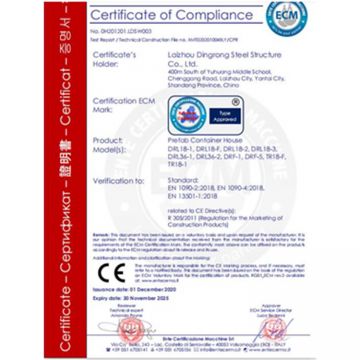
- Compliance: do they meet any relevant building standards in your target market?
If a supplier cannot provide engineering documentation or references, treat that as a red flag. A cheap quote is not a bargain if the structure fails inspection or needs major rework.
Frequently Asked Questions
Is a Container Home Cheaper Than a Traditional House?
Not necessarily. In many markets, a basic container home can be comparable to or slightly cheaper than conventional construction, but customization and site work often erase the savings. The main cost advantage is speed and factory quality control, not lower material cost.
Can I Build a Container Home Myself?
Yes, but only if you have welding, structural, and building experience. Most buyers use a manufacturer for the container modification and a local contractor for foundation and utilities. DIY projects often fail due to improper insulation, condensation, or structural cutting.
Before you sign a contract, get a written specification that lists every component and its material grade. That document is your best protection against cost overruns and quality surprises. A reputable supplier will welcome your questions about steel thickness, insulation R-value, and load calculations.
Key product terms include how much does it cost to build a container home, Array, much does, does it, it cost, build container, much does it, does it cost for buyers comparing materials, applications, and supplier options.