






Prefab Insulated Container House with CE and ISO
 Dingrong ContainerShirley

 OEM/ODM available
 Samples price: US$0.01
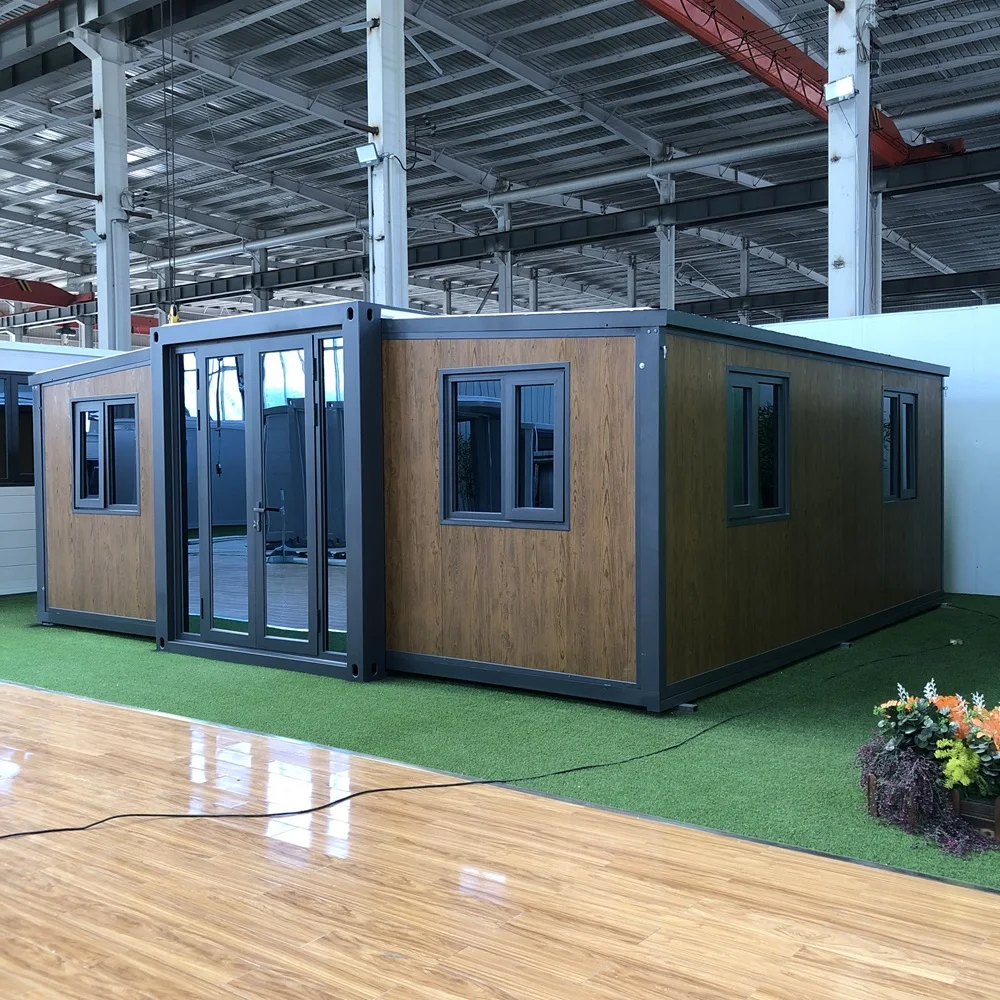
- Insulated prefab container house built for year-round off-grid living and site use
- Solar container house option supports remote sites without a fixed grid connection
- China prefab houses supplied with CE and ISO documentation for export projects
- Tiny house prefabricated homes suit backyard, farm and small plot placement
- Confirm insulation, panel and solar specifications with the supplier before ordering

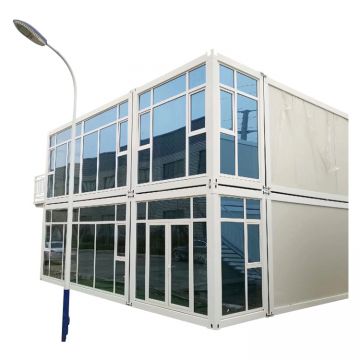
A prefab insulated container house is usually chosen when a buyer needs a habitable unit delivered to a site that has no permanent construction support. The practical question is not whether the unit looks complete in a video, but whether the insulation, panel system and services match the climate and the way the unit will be used. A solar container house is often specified for remote plots, farms or temporary camps where running a grid connection would cost more than the building itself. Before ordering, ask the supplier to confirm the wall and roof insulation build-up, the panel thickness, and how the solar and battery capacity were sized for the intended daily load.
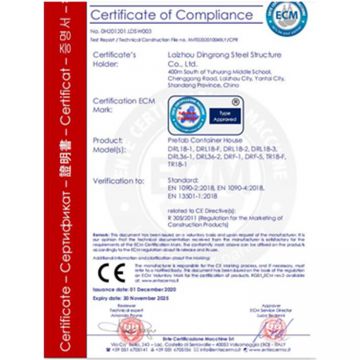
For buyers comparing china prefab houses, the CE and ISO references in the product title should be treated as a starting point for document review, not as a substitute for it. Request the actual certificates and check that the standard, scope and product description match the unit being quoted. Confirm which body issued the documents and whether they cover the exported configuration, including the electrical components. If the supplier cannot show documents that match the quoted specification, treat the certification claim as unverified until it is resolved in writing.
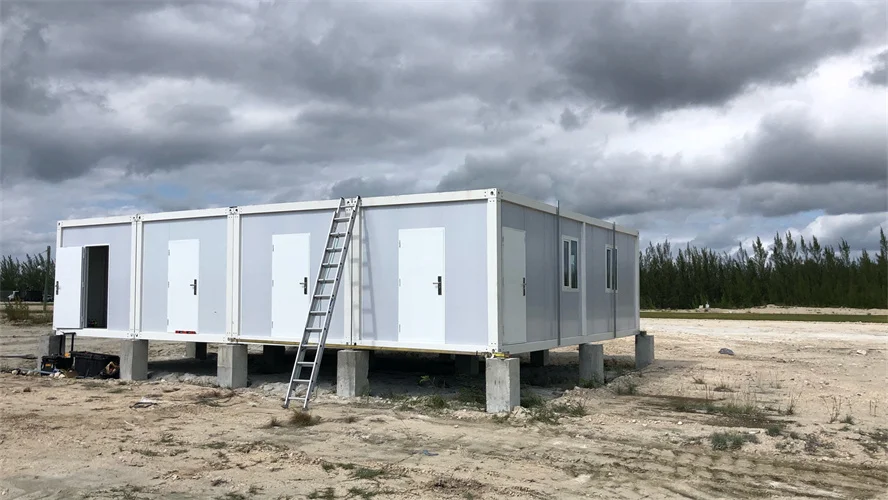
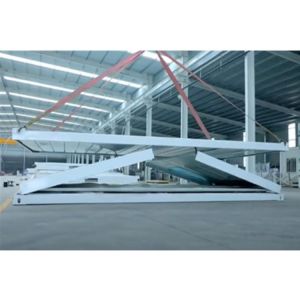
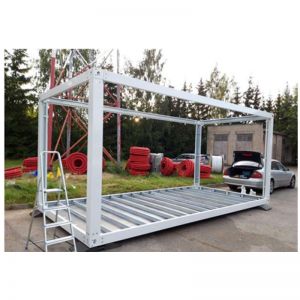
Many tiny house prefabricated homes are sold on the assumption that delivery and placement are simple. In practice, access is the most common constraint: gate width, road clearance, crane or forklift availability, and the space needed to set the unit down. Ask for the packed dimensions and weight, and compare them with the actual route to the site before confirming an order. Also confirm what foundation or ground preparation the supplier expects, because an insulated container house still needs a level, stable base to avoid door alignment and panel joint problems later.
Climate is the other specification that controls whether the unit performs as expected. Insulation values that suit a mild region may not be adequate for high heat, heavy rain or cold nights, and the same applies to ventilation, condensation control and window glazing. Ask the supplier how the design handles the specific conditions at your site, and request the insulation and panel details in writing. For a solar container house, also confirm how the system behaves during several cloudy days, and whether the battery bank can be expanded after delivery.
Before placing an order, work through a short verification list with the supplier: the exact insulation and panel specification, the electrical and solar configuration, the certificate documents and their scope, the packed dimensions and weight, the foundation requirement, and the installation support included. Ask for photos or video of a unit built to the same specification, and confirm the warranty terms and spare parts availability. These checks take little time and are the difference between a unit that fits the site and one that needs costly rework after arrival.
Get 20% discount on your first order
Please enter a valid email address.