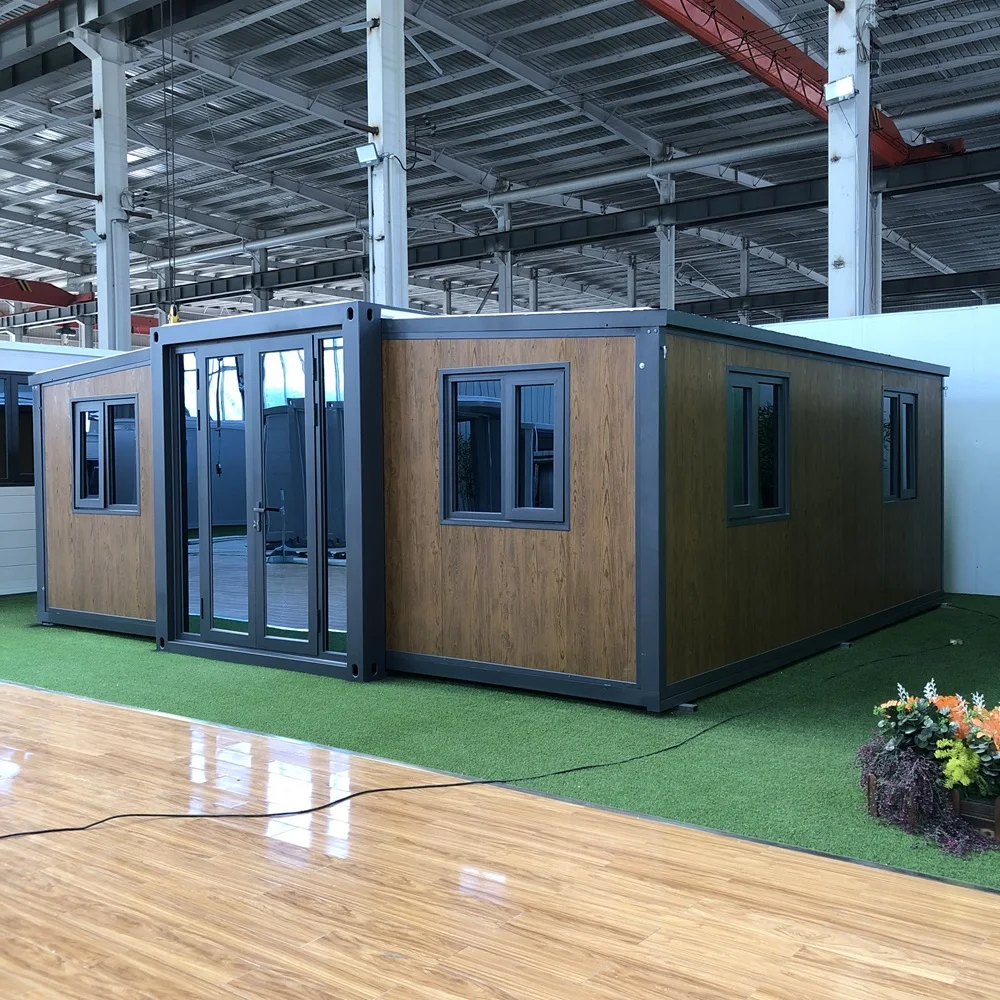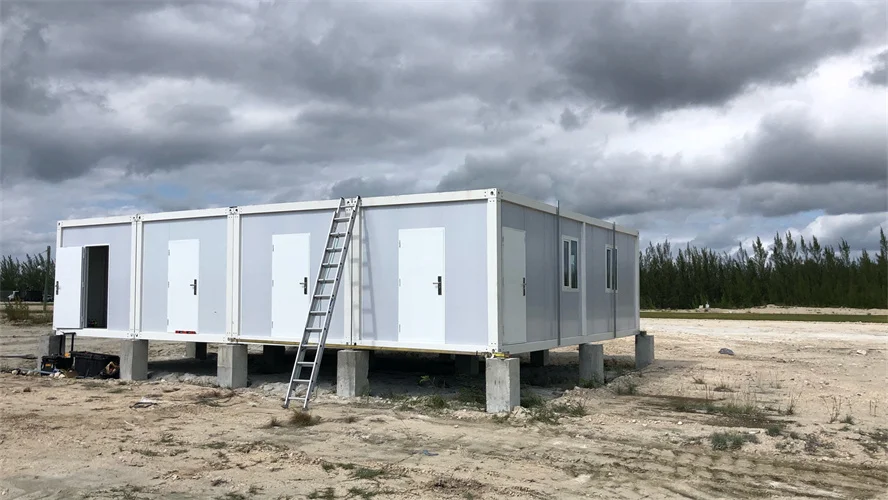







Tiny House Trailer Prefabricated on Wheels
 Dingrong ContainerShirley

 OEM/ODM available
 Samples price: US$0.01
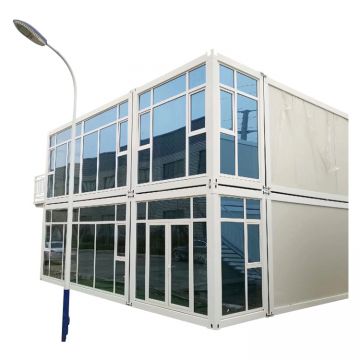
- Prefabricated tiny house trailer on wheels arrives ready for towing and placement.
- Trailer-mounted design supports relocation between approved sites and storage yards.
- Confirm road-legal towing dimensions and weight limits with your supplier first.
- Check local land-use rules for tiny homes before choosing a trailer model.
- Ask the supplier for a written specification sheet and towing requirements.

A tiny house trailer prefabricated on wheels is a factory-built dwelling mounted on a trailer chassis, so the structure can be moved rather than fixed to a permanent foundation. That mobility is the main reason buyers choose this format, but it also means the trailer, not just the house, controls how and where the unit can be used. Before ordering, clarify the intended use: full-time residence, guest unit, rental, or temporary site accommodation. Each use case brings different expectations for insulation, utilities, and placement.
The most important fit question is whether the trailer and the local rules allow the unit where you plan to put it. Research on tiny and small homes in the United States notes that many urban communities restrict such dwellings through land-use regulations, and that interest in tiny living has grown even as those barriers remain. A prefabricated tiny house trailer does not bypass zoning or building rules by itself. Buyers should confirm with local authorities whether a trailer-mounted dwelling is treated as a vehicle, a structure, or something else, and what permits or inspections apply.
Construction choices also affect long-term performance. Research on tiny homes describes them as potentially more energy efficient because they use less material and less space, and mentions options such as passive solar design and high R-value insulation. These are design directions, not guarantees. For a tiny house on wheels, ask the supplier which materials and insulation are actually included, how utilities connect, and how the trailer is protected against moisture and road exposure. Request a written specification sheet rather than relying on photos or verbal descriptions.
Because the source material for this page is limited, treat any specific dimension, weight, certification, or price as something to verify directly with the supplier. A practical checklist: confirm the trailer's rated capacity and towing requirements, ask for the build specification and material list, request photos or video of a comparable completed unit, and clarify delivery, setup, and warranty terms in writing. These steps reduce the risk of ordering a unit that cannot be legally placed or safely moved.
Get 20% discount on your first order
Please enter a valid email address.