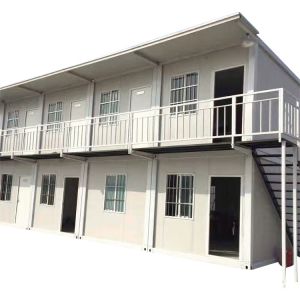
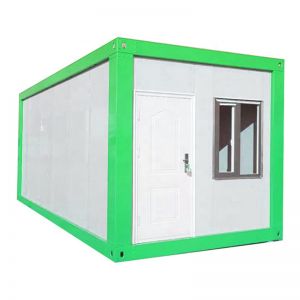





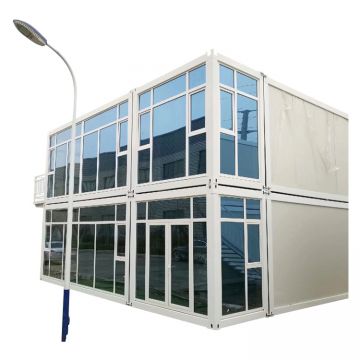


Portable Prefabricated Container Office with Glass Wall
MOQ: 1 unit
Buyer Q&A
Here are answers to common questions buyers have about prefab containers, helping you make an informed decision.
Prefab containers are versatile and can be used for residential homes, commercial spaces, site offices, accommodation, education, healthcare, retail, and project facilities. They are suitable for temporary or permanent structures, depending on the design and installation.
Consider your project use, occupancy, and space requirements. Review the external dimensions and floor plan options. Think about the number of rooms, doors, and windows needed. It's helpful to sketch a rough layout and discuss it with the supplier to ensure the design meets your needs.
Common insulation materials include EPS, rock wool, and polyurethane foam. Each has different thermal and fire-resistant properties. The choice depends on your climate and performance requirements. Confirm the insulation thickness and quality with the supplier.
Yes, many suppliers offer a range of interior wall cladding colors and materials. You can also customize the flooring, ceiling, and other finishes. Discuss your preferences with the supplier to see what options are available.
Electrical and plumbing systems are typically pre-installed in the factory. You can specify the layout and fixtures. Ensure that the systems meet local utility standards and are tested before delivery. On-site connection is usually required.
Transport depends on the container's size and weight. You may need special permits for oversized loads. The site must be prepared with a suitable foundation. Installation may require a crane and skilled labor. Confirm the supplier's role in installation.
Review the supplier's quality control processes, including frame welding, panel joints, waterproofing, and utility testing. Ask for inspection reports and visit the factory if possible. Ensure that all materials and workmanship meet your expectations.
Confirm the project use, occupancy, floor plan, destination climate, local utility standards, transport limits, and installation scope. Review all drawings and specifications. Clarify the quotation's inclusions and exclusions. Ensure that the supplier can meet your timeline.
This page is based on the current Prefab Container catalog, which contains 3 matching product records. Representative product titles include:
Compare matching catalog products after reviewing the buyer questions above.


Prefab Container is usually selected by matching layout, dimensions, structural system, insulation, finishes, utilities, and delivery requirements with the final site and operating conditions. This helps buyers compare more than appearance and choose a configuration that fits use, transport, installation, and long-term operation.
For residential, commercial, industrial, hospitality, and temporary building projects, DINGRONG CONTAINER can help adjust dimensions, layout, structural system, insulation, finishes, and utility scope according to the project requirements. Related options such as Prefab Container House, Prefab House Container, Prefab Foldable Container House can be compared when confirming specifications.
Compare the available products above, then share layout, dimensions, insulation, finish, utility, quantity, and destination requirements so the quotation can match the actual project scope.
Share the intended application and confirm layout, structural frame, insulation, doors and windows, interior finish, utilities, transport, and installation conditions.
Confirm the project use, occupancy, floor plan, destination climate, local utility standard, transport limits, and installation scope before approving the final design.
Review drawings, material specifications, frame welding, panel joints, waterproofing, doors and windows, utility testing, packing protection, and installation documents.
Compare the product cards by material, dimensions, construction, customization options, packing requirements, and suitability for the intended application before requesting a quotation.
Select your preferred language and currency. You can update the settings at any time.