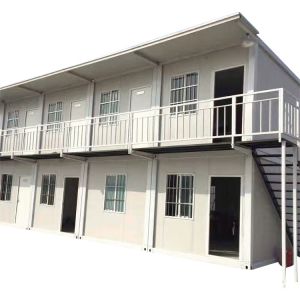
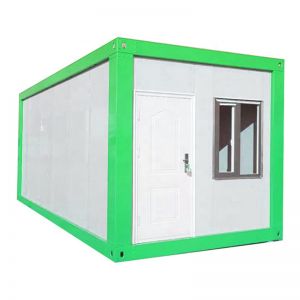

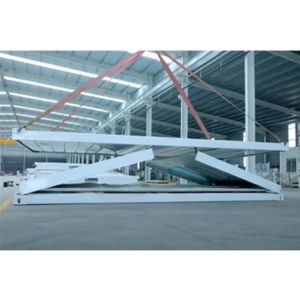

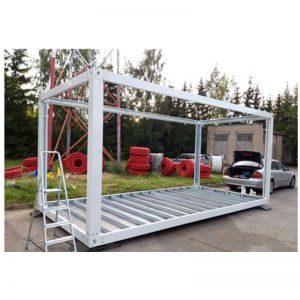





Field Office Accommodation Portable Container House - Modular Structure & Prefabricated
MOQ: 1 unit
Supplier Evaluation
Selecting the right supplier for a portable container house is critical to project success. This guide outlines key evaluation criteria to help you make an informed decision.
A reliable supplier will request your project details—use, occupancy, floor plan, climate, utility standards, and transport limits—before providing a quotation. They should offer clear drawings and material specifications for your approval. Confirm that the supplier can adapt the design to your needs, including layout, insulation, doors and windows, interior finish, and utilities.
Ask for material samples or a showroom visit to verify quality. Check the steel frame thickness, wall panel composition, insulation type, and finish quality. Confirm that the supplier uses certified materials and follows standard manufacturing processes.
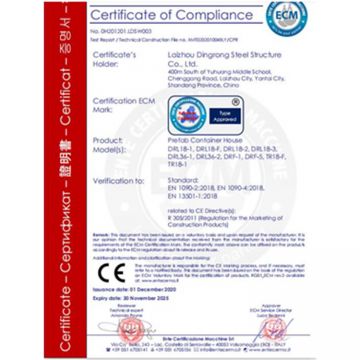
Review the supplier's QC procedures. They should inspect frame welding, panel joints, waterproofing, doors and windows, and utility systems. Ask for testing reports on structural integrity, water tightness, and electrical safety. Ensure they provide installation documents and packing protection details.
When comparing quotes, ensure they include the same scope: design, materials, manufacturing, packing, loading, and delivery. Clarify what is excluded, such as foundation, installation labor, or local permits. A transparent quotation helps avoid hidden costs.
Check the supplier's experience with export packing and transport. They should advise on container dimensions, weight, and lifting points. Confirm if they offer installation supervision or technical support on-site. This is especially important for flat-pack or complex designs.
Evaluate the supplier's responsiveness and willingness to communicate throughout the project. A supplier who maintains clear records and offers consistent quality is preferable for repeat orders. Ask for references or case studies, but verify them independently.
| Checklist Item | What to Confirm |
|---|---|
| Drawings | Detailed floor plans, elevations, and structural details |
| Materials | Steel grade, panel thickness, insulation type |
| QC Process | Inspection points, testing standards, and reports |
| Quotation | Inclusions, exclusions, and payment terms |
| Delivery | Packing method, transport mode, and delivery time |
| Installation | Installation manual, on-site support, and training |
This page is based on the current Portable Container House catalog, which contains 3 matching product records. Representative product titles include:
Review matching catalog products after reading the supplier evaluation above.




When sourcing Portable Container House, buyers normally review floor plan, bedroom and bathroom layout, insulation, interior finish, plumbing, electrical scope, and climate requirements before approving drawings and finishes. A clear specification makes quotations, production confirmation, delivery, and repeat modules easier to control.
These building systems are commonly used for homes, holiday accommodation, dormitories, guest rooms, studios, and workforce housing. Layout, insulation, doors and windows, utilities, finishes, loading, and installation planning can be discussed after the application and destination are confirmed. Related options such as Container House Kit, Tiny House Container, Container House 20ft can be compared when confirming specifications.
Use the product results above to review images, layouts, specifications, minimum order details, and inquiry options, then send the application, dimensions, quantity, destination, and site requirements for a more accurate quotation.
Share the intended application and confirm layout, structural frame, insulation, doors and windows, interior finish, utilities, transport, and installation conditions.
Confirm the project use, occupancy, floor plan, destination climate, local utility standard, transport limits, and installation scope before approving the final design.
Review drawings, material specifications, frame welding, panel joints, waterproofing, doors and windows, utility testing, packing protection, and installation documents.
Compare the product cards by material, dimensions, construction, customization options, packing requirements, and suitability for the intended application before requesting a quotation.
Select your preferred language and currency. You can update the settings at any time.