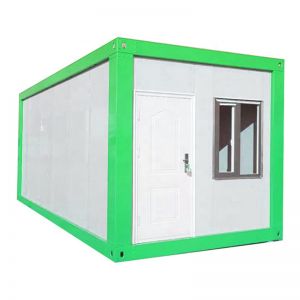







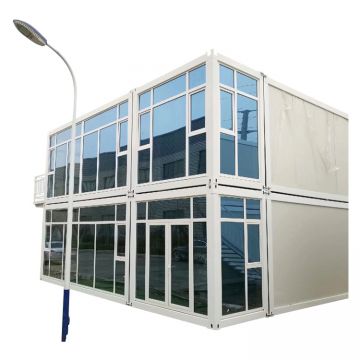


For most B2B buyers, the practical answer to “why choose Dingrong buy container house” is that a container house offers a faster, more predictable path to usable space than conventional construction—provided you match the product type to the job. Dingrong’s container houses are modular steel structures, not site-built sheds, so the buying decision hinges on how well the factory’s standard modules fit your site, your timeline, and your budget. Before you compare prices, compare the actual steel frame, the panel system, and the supplier’s ability to deliver on a schedule.

- Why choose Dingrong buy container is suitable for modular housing, site offices, accommodation, and commercial building.
- Why choose Dingrong buy container options support practical layouts, insulation, structural strength, transport, and fast installation.
- container house supplier helps buyers compare materials, finishes, thermal performance, and application fit.
- modular container home manufacturer is available for project supply, OEM manufacturing, export delivery, and repeat orders.
- Why choose Dingrong buy container supports contractors, developers, distributors, camp operators, and modular-building buyers.
Where Container Houses Make Sense
Container houses earn their keep in applications where speed and relocatability matter more than permanent architectural expression. Common uses include construction site offices, temporary staff accommodation, site canteens, guard houses, and remote work camps. They also appear in agricultural storage, small retail kiosks, and emergency housing. The common thread is a need for enclosed, secure space delivered quickly and moved or expanded later without demolishing anything.
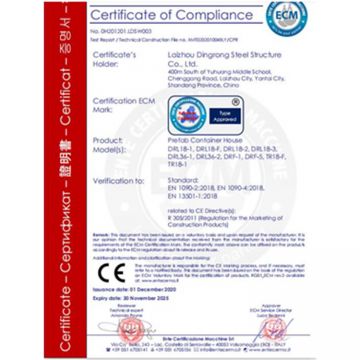
Related products and categories: Container House · container house office prefab house structural steel · prefab 20ft iso shipping container house frames · prefab insulated container house-with CE and ISO.

If your project requires a permanent building with complex foundations, heavy services, or strict local building codes, a container house may still work, but you will need to confirm engineering details with the supplier and local authorities. The product is not a universal replacement for conventional construction; it is a modular alternative that shines when time and flexibility are the priorities.
What Actually Differs between Container House Types
Not all container houses are the same. The most meaningful differences are in the frame, the wall panels, and the degree of prefabrication.

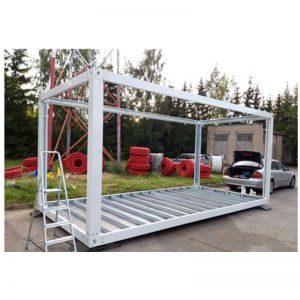
- Frame type: Some units use a welded steel frame similar to a shipping container; others use a lighter modular frame designed only for static placement. The heavier frame suits stacking and repeated lifting, while the lighter frame reduces cost and weight for single-story use.
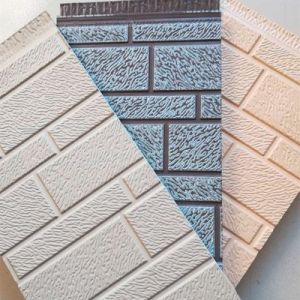
- Wall and roof panels: Sandwich panels with foam or rock wool insulation affect thermal performance, fire resistance, and acoustic comfort. Rock wool generally offers better fire performance, while foam is lighter and cheaper. Confirm the core material and density with the supplier.
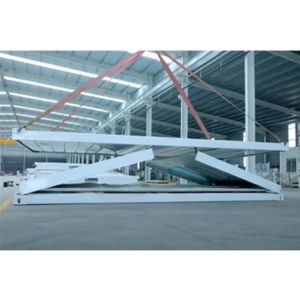
- Prefabrication level: A fully fitted unit arrives with doors, windows, electrical wiring, and plumbing installed. A flat-pack version ships as panels and requires on-site assembly. The trade-off is factory quality and speed versus shipping volume and site labor.
These differences drive both price and performance. A cheap unit with thin panels may be fine for a storage shed but uncomfortable for living quarters. Match the specification to the actual use, not to the lowest quote.
Cost Drivers and Budget Reality
Container house pricing depends on size, materials, insulation type, interior fit-out, and the number of doors and windows. Customization—such as adding a toilet, air conditioning, or special electrical layouts—adds cost. Shipping distance and site access also matter: a unit that must travel far or be lifted into place costs more than one delivered on a flatbed to a clear site.

Do not assume that the cheapest quote is the best value. Ask the supplier for a breakdown of the frame steel thickness, panel composition, and included fittings. A slightly higher price often buys a stronger frame and better insulation, which reduces long-term maintenance and energy costs.
Limitations and Failure Risks
Container houses have real limitations. Without proper ventilation, condensation can form inside, especially in humid climates. Insulation quality directly affects comfort; poor panels make the unit too hot in summer and too cold in winter. The steel frame can corrode if the protective coating is damaged or if the unit sits in a saline or coastal environment. Also, stacking units requires a structural design that accounts for wind load and foundation stability—do not assume any unit can be stacked without engineering review.
Buyers should also check the floor load rating and the roof load capacity, especially if the unit will support solar panels or a second story. These are not standard across all suppliers, so confirm the numbers in writing.
Supplier Verification Checklist
Because container houses are factory-made, the supplier’s quality control is your quality control. Before ordering, verify the following:
- Ask for the steel grade and thickness used in the frame, and the panel core material and density.
- Request photos or videos of the production line and a sample unit if possible.
- Confirm the lead time and the shipping method, including whether the unit is fully assembled or flat-packed.
- Check the warranty terms and what they cover—frame, panels, or fittings.
- Ask for reference projects or customer testimonials that match your application.
If the supplier cannot provide clear technical specifications, treat that as a red flag. A reliable manufacturer will be transparent about materials and processes.
Project Planning and Customization
Plan the site before you order. The unit needs a level foundation—concrete pads or a steel base—and clear access for delivery. If you need multiple units, decide whether they will be placed side by side or stacked, and confirm the supplier’s design for connecting them. Customization is possible, but it adds lead time. Order early if you need special layouts, colors, or additional openings.
Also consider the local climate. In hot regions, specify thicker insulation and ventilation options. In cold regions, ask about heating provisions and condensation control. The supplier can advise, but you must provide the site conditions.
Frequently Asked Questions
How Long Does a Container House Last?
Lifespan depends on the steel quality, coating, and maintenance. A well-maintained unit with a proper foundation and regular repainting can last many years, but the exact figure varies by supplier and environment. Ask the manufacturer for their expected service life and maintenance recommendations.
Can Container Houses Be Moved after Installation?
Yes, but moving a unit requires lifting equipment and transport, and it may damage the structure if not designed for repeated relocation. Confirm with the supplier whether the unit is rated for multiple lifts or intended for semi-permanent placement.
When you are ready to buy, focus on the specification sheet, not the brochure. A container house is a steel product with measurable properties—frame thickness, panel density, load ratings. Get those numbers in writing, compare them across suppliers, and choose the one that matches your site and your use. That is the real reason to buy from a supplier like Dingrong: not because the price is low, but because the product is built to a standard you can verify.
Key product terms include container house supplier, modular container home manufacturer, prefab steel structure house, container house customization, buy container house wholesale, container house cost factors, container house quality control, container house buyer guide for buyers comparing materials, applications, and supplier options.