Warning: Undefined variable $htmllang in /www/wwwroot/dingrong/DM-block/tpl/meta.php on line 1771 Prefab Outdoor Container Kitchen: Material and Construction Trade-Offs Compared | DECHEN PACKAGING
\n
Prefab Outdoor Container Kitchen: Material and Construction Trade-Offs Compared | DECHEN PACKAGING
Comparison-Led Buying Guide
Prefab Outdoor Container Kitchen: Material and Construction Trade-Offs Compared
A prefab outdoor container kitchen is a modular foodservice unit built into a container shell. It can serve takeaway, catering, beverages, bakery, restaurant service, and food delivery. This guide compares material and construction trade-offs so you can specify a unit that fits your menu, site, and budget without over- or under-building.
Written by JaniceSourcing Editor
Definitions and Applications
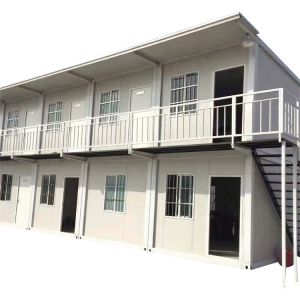
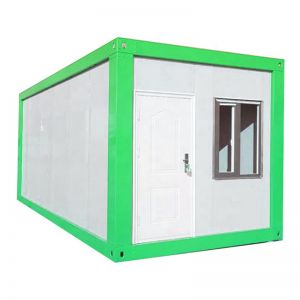
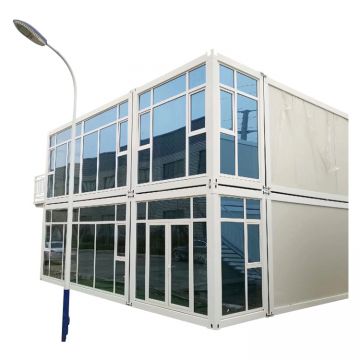
A prefab outdoor container kitchen is a kitchen built inside a shipping container or a similar modular shell. It is delivered as a complete unit or as flat-pack components. Common applications include takeaway counters, catering kitchens, beverage and bakery units, restaurant service lines, and food delivery hubs. The catalog includes the 20*20ft Ready Made Mobile Home and the 40ft Chinese Flat Pack Homes 1 Kitchen 1 Bedroom 1 Toilet. These examples show how container kitchens can be configured with cooking, prep, and service areas. Before choosing a unit, define your menu, peak service volume, and utility availability.
Layout and Workflow
Layout determines how efficiently your team can work. A typical container kitchen includes a cooking line, prep area, wash area, and service window. For takeaway, place the packing station near the service window. For catering, allow space for cold storage and bulk handling. For bakery, include oven space and proofing area. For delivery-only service, design a pickup window and order staging area. Confirm internal dimensions and equipment positions. A 20ft unit may suit a compact menu, while a 40ft unit can support a larger combined layout. Always request a drawing that shows utility entry points, drainage, and ventilation.
Structural and Insulation Alternatives
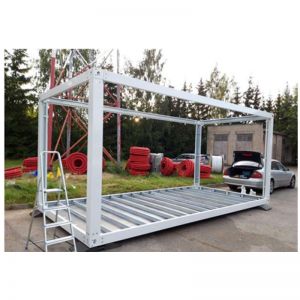
Container kitchens use different structural and insulation approaches. The shell may be a standard shipping container, a new-build steel frame, or a flat-pack panel system. Insulation options include rigid foam boards, mineral wool, or spray foam. Each choice affects thermal performance, weight, and cost. For hot climates, higher insulation values reduce cooling load. For cold climates, insulation and heating must prevent pipe freezing. Floor finishes range from bare steel to plywood with vinyl or tile. Wall finishes may be stainless steel, aluminum, or coated panels. Choose materials that are cleanable and suitable for foodservice. Confirm the temperature range for food contact surfaces and packaging components.
Key Specifications and Trade-Offs
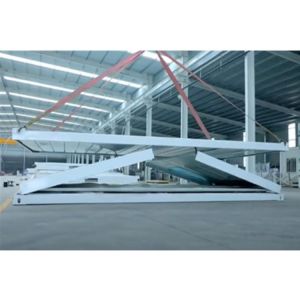
Specifications should match your service needs. For packaging items, confirm capacity and dimensions, material and temperature range, matching lid or accessory, leak and stack testing, and carton quantity and labeling. For the container, confirm external and internal dimensions, door and window positions, electrical load, plumbing connections, and ventilation. Trade-offs include cost versus durability, weight versus insulation, and speed of assembly versus customization. A flat-pack unit may reduce shipping volume but require more on-site labor. A ready-made unit may install faster but offer fewer layout changes. Use the table below to compare common options.
Decision Area
Option A
Option B
What to Confirm
Shell type
Standard container
Flat-pack panel system
Structural design and assembly method
Insulation
Rigid foam board
Mineral wool or spray foam
Thermal target and climate
Floor finish
Vinyl over plywood
Tile or coated panel
Cleanability and slip resistance
Wall finish
Stainless steel
Coated panel
Food contact and cleaning
Packaging
Standard lid
Custom lid or accessory
Leak and stack testing
Drawing and QC Checks
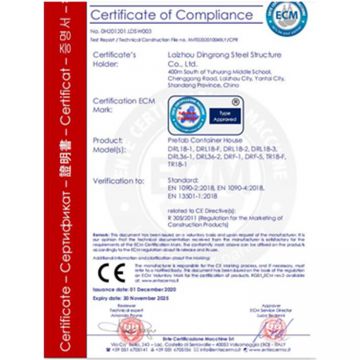
Before production, approve a drawing that shows layout, equipment, utilities, and dimensions. Ask for a quality control plan with inspection points at frame welding, panel installation, utility rough-in, equipment mounting, and final testing. For packaging components, test with the real food or drink, service temperature, holding time, transport method, and matching lid. Check capacity, rim and lid fit, leakage, deformation, nesting, cleanliness, and carton protection. Request material certificates or test reports where available. Do not rely on verbal assurances.
Finish and Utility Customization
Customization can improve workflow and compliance. Common changes include service windows, additional doors, exhaust hoods, grease traps, and extra electrical circuits. For beverage service, add a dedicated water line and drainage. For bakery, include a proofing cabinet and oven ventilation. For delivery, add a pickup window and order display. Confirm that customization does not compromise structural integrity or insulation. Ask for updated drawings and a revised quotation for any change.
MOQ and Cost Drivers
Minimum order quantity varies by supplier and customization level. Cost drivers include container size, insulation type, equipment selection, utility complexity, finish materials, and packaging components. Shipping volume and delivery distance also affect total cost. Do not compare quotations without normalizing scope. One quote may include cooking equipment while another excludes it. One may include shipping to port while another quotes ex-works. Ask for a line-item breakdown to compare fairly.
Delivery and Installation Planning
Plan for transport, unloading, and site preparation. Confirm whether the unit ships as a complete container or flat-pack components. Ask for a loading plan that shows how the unit and loose equipment will be secured. Clarify delivery terms and who handles unloading. For installation, request a manual and a remote support plan. If on-site support is needed, define the scope and cost. Ensure the site has the required utilities and foundation before delivery.
Decision Workflow
Define menu, service volume, and site constraints.
Choose shell type, insulation, and layout.
Specify equipment, utilities, and finishes.
Confirm packaging components and testing.
Approve drawings and QC plan.
Normalize quotations and confirm scope.
Plan delivery, installation, and training.
Freeze specifications for repeat orders.
Dingrong catalog coverage
This page is based on the current Prefab Outdoor Container Kitchen catalog, which contains 3 matching product records. Representative product titles include:
20*20ft Ready Made Mobile Home
40ft Chinese Flat Pack Homes 1 Kitchen 1 Bedroom 1 Toilet
D
Written by
Janice
Sourcing Editor
Janice has worked with modular building and foodservice equipment suppliers for over a decade. She focuses on specification handoff, quality control, and practical sourcing workflows for container-based kitchens.
Related Products
Compare matching catalog products after reviewing the buying guide above.
Prefab Outdoor Container Kitchen is usually selected by matching layout, dimensions, structural system, insulation, finishes, utilities, and delivery requirements with the final site and operating conditions. This helps buyers compare more than appearance and choose a configuration that fits use, transport, installation, and long-term operation.
For residential, commercial, industrial, hospitality, and temporary building projects, DINGRONG CONTAINER can help adjust dimensions, layout, structural system, insulation, finishes, and utility scope according to the project requirements. Many buyers also review Prefab Kitchen Container, Prefab Container Home, Prefab Container House to narrow the final building configuration.
Compare the available products above, then share layout, dimensions, insulation, finish, utility, quantity, and destination requirements so the quotation can match the actual project scope.
Prefab Outdoor Container Kitchen buying questions
What should buyers specify when requesting Prefab Outdoor Container Kitchen?
Share the intended application and confirm capacity, material, temperature range, lid fit, leak resistance, stackability, food contact, and carton packing.
How should a Prefab Outdoor Container Kitchen sample be checked?
Test with the real food or drink, service temperature, holding time, transport method, and matching lid.
Which quality points should be compared?
Check capacity, rim and lid fit, leakage, deformation, nesting, cleanliness, and carton protection.
How can buyers compare the matching products on this page?
Compare the product cards by material, dimensions, construction, customization options, packing requirements, and suitability for the intended application before requesting a quotation.