Warning: Undefined variable $htmllang in /www/wwwroot/dingrong/DM-block/tpl/meta.php on line 1771 Chinese Container Homes: Procurement Checklist for Specifications, Samples, and Suppliers | DECHEN PACKAGING
\n
Chinese Container Homes: Procurement Checklist for Specifications, Samples, and Suppliers | DECHEN PACKAGING
Buying Guide
Procurement Checklist for Chinese Container Homes
This procurement checklist helps buyers navigate the process of sourcing Chinese container homes. It covers key decisions from defining requirements to supplier selection, with practical checks at each stage.
Written by JaniceSourcing Specialist
Definitions and Applications
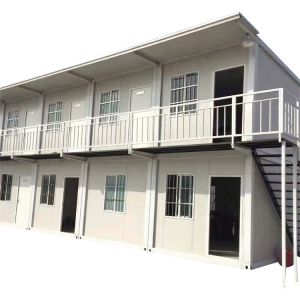
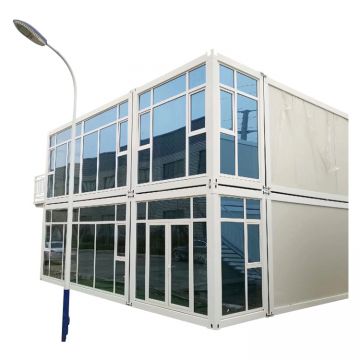
Chinese container homes are modular buildings based on steel frames and container-like dimensions. They are prefabricated in factories and shipped for on-site assembly. Common applications include worker accommodation, site offices, temporary housing, and remote living quarters. They can be stacked and combined to create larger structures. Buyers should confirm that the intended use complies with local building codes and zoning regulations.
Layout and Structural Alternatives
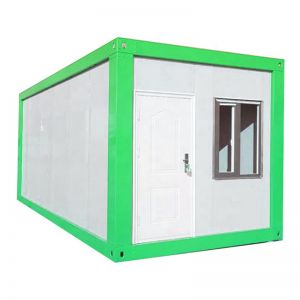
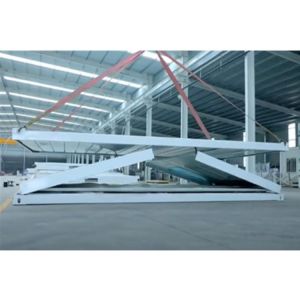
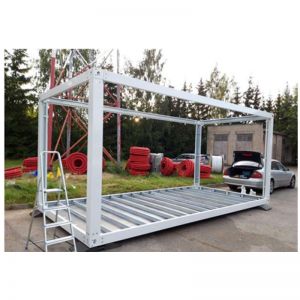
Layout options range from open-plan studios to multi-room units. Consider the number of occupants, required amenities, and future expansion. Structural alternatives include flat-pack units, which are disassembled for shipping and reassembled on site, and fully assembled units, which are shipped ready to use. Flat-pack saves shipping volume but requires more on-site labor. Assembled units are quicker to deploy but cost more to transport. Steel frame thickness and corrosion protection are critical for durability.
Insulation and Key Specifications
Insulation choices affect thermal comfort and energy use. Common options include polyurethane (PU) foam, rock wool, and glass wool panels. Specify insulation thickness and R-value or U-value based on your climate. Other key specifications include:
External dimensions and internal clear height
Floor load capacity and flooring material
Window and door types, sizes, and glazing
Electrical system: voltage, outlets, lighting, and distribution
Plumbing: water supply, drainage, and fixtures
Fire resistance and acoustic properties
Request test reports for fire and structural performance where available. Do not assume compliance with your local codes; verify with a qualified engineer.
Meaningful Trade-offs
Buyers often face trade-offs between cost, speed, and quality. Lower-cost units may use thinner steel or basic insulation, which can affect longevity and comfort. Faster delivery may limit customization options. Consider the total cost of ownership, including transport, assembly, and maintenance. For harsh climates, investing in better insulation and corrosion protection is advisable. For temporary use, a basic specification may suffice.
Drawing and QC Checks
Before production, approve detailed drawings showing dimensions, layout, structural connections, and MEP (mechanical, electrical, plumbing) points. Confirm materials and finishes. During production, request progress photos and inspection reports. Key QC checks include:
Frame dimensions and weld quality
Panel alignment and sealing
Insulation installation and coverage
Electrical wiring and safety
Plumbing leak tests
Finish quality and hardware function
Consider third-party inspection for large orders. Pre-shipment inspection should verify quantity, packing, and compliance with approved specifications.
Finish and Utility Customization
Customization options include exterior colors, interior wall finishes, flooring, cabinetry, and fixtures. Utility customization covers electrical outlets, lighting, water heaters, air conditioning, and kitchen or bathroom layouts. Provide clear requirements and confirm feasibility with the supplier. Note that extensive customization may increase lead time and cost. Request samples of finishes to ensure they meet expectations.
MOQ and Cost Drivers
Minimum order quantities vary by supplier and product type. Cost drivers include material specifications, insulation type, customization level, order volume, and shipping distance. While exact prices are not provided here, buyers should request itemized quotations to understand cost breakdowns. Compare quotes on a like-for-like basis. Be wary of unusually low prices that may indicate omitted components or lower quality.
Delivery and Installation Planning
Plan logistics early. Confirm shipping method, port of departure, and estimated transit time. For flat-pack units, ensure on-site assembly instructions and tools are provided. For assembled units, arrange heavy lifting equipment if needed. Check site access and foundation requirements. Installation support may be available remotely or on-site; clarify costs and responsibilities. Allow time for customs clearance and local transport.
Decision Workflow
Define requirements: use, size, layout, climate, and budget.
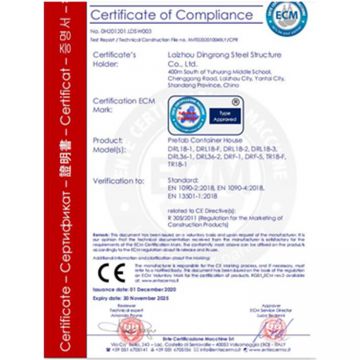
Research suppliers: request profiles, certifications, and references.
Request quotations: provide detailed specifications for comparable quotes.
Evaluate samples: request material samples or mock-ups.
Approve drawings: sign off on final specifications and drawings.
Arrange QC: plan inspections and third-party checks.
Confirm logistics: agree on Incoterms, packing, and delivery schedule.
Plan installation: review manuals and support options.
Final inspection: verify before shipment and upon arrival.
Following this checklist can help reduce risks and ensure that the Chinese container homes meet your project needs.
Dingrong catalog coverage
This page is based on the current Chinese Container Homes catalog, which contains 3 matching product records. Representative product titles include:
40ft Steel Container Frame for House – Factory Price Flat Pack Modular Homes
Steel Frame Container with Discount Price - Prefabricated Container Homes
D
Written by
Janice
Sourcing Specialist
Janice has extensive experience in sourcing modular buildings and container homes from China. She advises buyers on supplier evaluation, quality control, and logistics.
Related Products
Compare matching catalog products after reviewing the buying guide above.
Chinese Container Homes Accommodation Configuration Guide
Chinese Container Homes pages are useful for comparing floor plan, bedroom and bathroom layout, insulation, interior finish, plumbing, electrical scope, and climate requirements across similar building systems. The suitable choice depends on application, climate, local site conditions, transport limits, and installation requirements.
DINGRONG CONTAINER supports homes, holiday accommodation, dormitories, guest rooms, studios, and workforce housing, including custom layouts, material and finish confirmation, production planning, loading, and delivery coordination. Similar searches include Container Homes, Container Homes Luxury, Prefab Container Homes, which helps compare adjacent modular building options.
The listings above provide a starting point for checking project photos, configurations, specifications, MOQ, and inquiry options before requesting drawings and a project quotation.
Chinese Container Homes buying questions
What should buyers specify when requesting Chinese Container Homes?
Share the intended application and confirm capacity, material, temperature range, lid fit, leak resistance, stackability, food contact, and carton packing.
How should a Chinese Container Homes sample be checked?
Test with the real food or drink, service temperature, holding time, transport method, and matching lid.
Which quality points should be compared?
Check capacity, rim and lid fit, leakage, deformation, nesting, cleanliness, and carton protection.
How can buyers compare the matching products on this page?
Compare the product cards by material, dimensions, construction, customization options, packing requirements, and suitability for the intended application before requesting a quotation.