





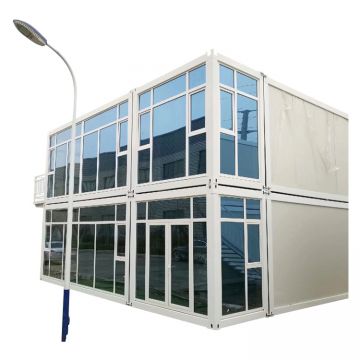


Flat Pack Container House Supplier
MOQ: 1 unit
Supplier Evaluation
Selecting the right prefab container supplier is crucial for project success. This guide outlines the essential factors to evaluate, from drawing handoff to installation support.
When evaluating a prefab container supplier, focus on their ability to deliver a product that meets your specifications and quality standards. Start by reviewing their capability to handle your project size and complexity. Ask about their experience with similar projects and their production capacity, but verify these claims through references or site visits.
Ensure the supplier can work from your drawings or provide detailed design proposals. They should be able to clarify material specifications, structural details, and finish options. Confirm that they will provide comprehensive drawings for approval before production.
Request samples of materials, such as wall panels, insulation, and interior finishes. This helps verify quality and color options. Confirm that the supplier can accommodate your chosen finishes and that they meet your project's requirements.
Ask about their quality control processes, including frame welding, panel joints, waterproofing, and utility testing. They should have documented procedures and be willing to share inspection reports. Verify that they follow industry standards, but do not assume compliance without evidence.
When comparing quotes, ensure they include all necessary components: structure, insulation, doors and windows, interior finish, utilities, packing, and transport. Clarify what is excluded, such as foundation or installation, to avoid surprises.
Discuss loading and transport arrangements, including any special requirements for oversized loads. Confirm the supplier's role in installation, whether they provide supervision or full installation services. Ensure they can support your timeline.
Evaluate their communication responsiveness and willingness to address concerns. For repeat orders, ask about consistency in quality and any controls they have in place to maintain standards.
| Criteria | Questions to Ask |
|---|---|
| Capability | What is your production capacity? Can you handle my project size? |
| Quality | What QC checks do you perform? Can you provide inspection reports? |
| Materials | Can you provide samples of materials and finishes? |
| Quotation | What is included in the quote? What are the exclusions? |
| Delivery | How do you handle transport and loading? What is the lead time? |
| Installation | Do you provide installation support? What is the scope? |
| Communication | How quickly do you respond to inquiries? Who is my contact? |
By thoroughly evaluating these aspects, you can select a supplier that meets your project needs and ensures a smooth process from design to installation.
This page is based on the current Prefab Container catalog, which contains 3 matching product records. Representative product titles include:
Review matching catalog products after reading the supplier evaluation above.


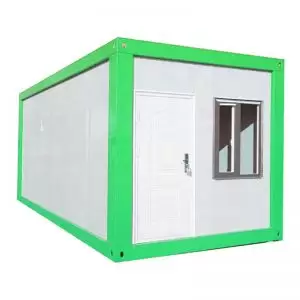


Prefab Container is usually selected by matching layout, dimensions, structural system, insulation, finishes, utilities, and delivery requirements with the final site and operating conditions. This helps buyers compare more than appearance and choose a configuration that fits use, transport, installation, and long-term operation.
For residential, commercial, industrial, hospitality, and temporary building projects, DINGRONG CONTAINER can help adjust dimensions, layout, structural system, insulation, finishes, and utility scope according to the project requirements. Related options such as Prefab Container House, Prefab House Container, Prefab Foldable Container House can be compared when confirming specifications.
Compare the available products above, then share layout, dimensions, insulation, finish, utility, quantity, and destination requirements so the quotation can match the actual project scope.
Share the intended application and confirm layout, structural frame, insulation, doors and windows, interior finish, utilities, transport, and installation conditions.
Confirm the project use, occupancy, floor plan, destination climate, local utility standard, transport limits, and installation scope before approving the final design.
Review drawings, material specifications, frame welding, panel joints, waterproofing, doors and windows, utility testing, packing protection, and installation documents.
Compare the product cards by material, dimensions, construction, customization options, packing requirements, and suitability for the intended application before requesting a quotation.
Select your preferred language and currency. You can update the settings at any time.