Warning: Undefined variable $htmllang in /www/wwwroot/dingrong/DM-block/tpl/meta.php on line 1771
How to Choose the Right Specification for Wholesale Modular Container Homes | DECHEN PACKAGING · 2 \n

How to Choose the Right Specification for Wholesale Modular Container Homes | DECHEN PACKAGING · 2

Buying Guide

Selecting the Suitable Specification for Wholesale Modular Container Homes

Choosing the right specification for wholesale modular container homes starts with the site, climate, occupancy, and delivery route. This guide walks through the decisions that most affect fit, cost, and long-term performance.

Definitions and Applications

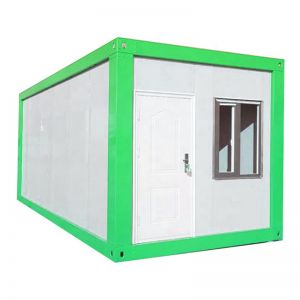
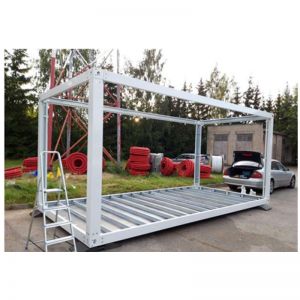
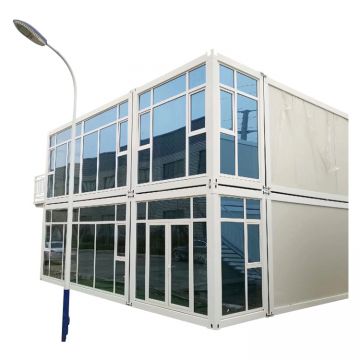
Wholesale modular container homes are living units built from steel container frames and finished in a factory. They are used for workforce housing, site offices, temporary accommodation, and remote lodging. The term covers shell-only units, semi-finished modules, and turnkey homes. Clarify which level you need before comparing offers.

Layout and Space Planning

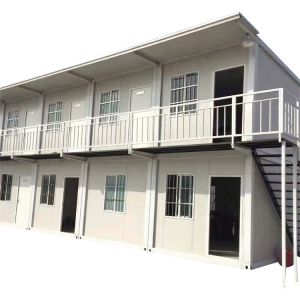
Start with occupancy, sleeping arrangements, and wet areas. Decide whether the unit is a studio, one-bedroom, or shared layout. Check internal clear height, corridor width, and door swing. Plan window and door positions for light, ventilation, and emergency egress. If units will be stacked, confirm stair and landing positions early.

Structural and Insulation Alternatives

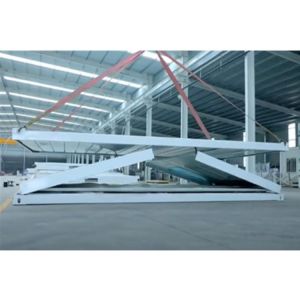
Container frames can be reinforced for stacking or lifting. Insulation choices include mineral wool, polyurethane, and composite panels. Each option affects thickness, weight, fire behavior, and thermal performance. Ask the supplier to state insulation values and how joints are sealed. In cold climates, pay attention to thermal bridging at the frame. In hot climates, consider roof shading and ventilation.

Key Specifications to Confirm

ItemWhat to Confirm
DimensionsExternal and internal sizes, clear height
StructureReinforcement for stacking or lifting
InsulationType, thickness, stated values
OpeningsWindow and door sizes, egress
UtilitiesElectrical, plumbing, HVAC provisions
FinishWall, floor, ceiling, and trim level
PackingLoading quantity, protection, labeling

Meaningful Trade-offs

Higher insulation and finish levels increase weight and cost. Larger openings improve light but may reduce structural strength. Stacking saves land but requires reinforcement and lifting planning. Turnkey units reduce site work but limit local customization. Decide which trade-offs matter most for your project before negotiating.

Drawing and QC Checks

Request a drawing set that shows dimensions, openings, reinforcement, and utility points. Confirm who approves revisions and how changes are recorded. Ask for the inspection points used during production and before loading. Typical checks include frame alignment, weld quality, insulation continuity, opening fit, sealant application, and utility tests. Where a detail is not published, ask the supplier to confirm it in writing.

Finish and Utility Customization

Finish options include flooring, wall panels, ceilings, cabinetry, and fixtures. Utility customization covers electrical circuits, lighting, sockets, water supply, drainage, and HVAC. Confirm voltage, frequency, and pipe standards for your destination. Ask how penetrations are sealed and how systems are tested before shipment.

MOQ and Cost Drivers

Minimum order quantities vary by supplier and configuration. Cost drivers include unit size, insulation, finish level, utility scope, reinforcement, and packing. Delivery distance, transport mode, and installation support also affect total cost. Ask for an itemized quotation so you can compare scope rather than headline figures.

Delivery and Installation Planning

Confirm loading quantities, lifting points, transport dimensions, and any permits or escorts required. Plan foundations, utility connections, and site access before arrival. Clarify whether installation support is remote or on-site. A written installation guide and a named contact reduce delays.

Decision Workflow

  1. Define occupancy, climate, and site constraints.
  2. Choose shell, semi-finished, or turnkey level.
  3. Select layout, insulation, and structural options.
  4. Request drawings and itemized quotations.
  5. Confirm QC points, packing, and delivery terms.
  6. Approve samples and revision procedures.
  7. Plan installation and utility connections.

Written by

Janice

Sourcing Editor

Janice covers modular building sourcing and specification comparison for B2B buyers. She focuses on drawing handoff, insulation choices, and quotation comparability.

Browse the matching products below, or send the project application and specification to DINGRONG CONTAINER for a product recommendation and quotation.

Back to all buying guides

Product results

Wholesale Modular Container Homes Accommodation Configuration Guide

Wholesale Modular Container Homes pages are useful for comparing floor plan, bedroom and bathroom layout, insulation, interior finish, plumbing, electrical scope, and climate requirements across similar building systems. The suitable choice depends on application, climate, local site conditions, transport limits, and installation requirements.

DINGRONG CONTAINER supports homes, holiday accommodation, dormitories, guest rooms, studios, and workforce housing, including custom layouts, material and finish confirmation, production planning, loading, and delivery coordination. Similar searches include Modular Container Homes, Container Modular Homes For Sale, Container Homes, which helps compare adjacent modular building options.

The listings above provide a starting point for checking project photos, configurations, specifications, MOQ, and inquiry options before requesting drawings and a project quotation.

Wholesale Modular Container Homes buying questions

What should buyers specify when requesting Wholesale Modular Container Homes?

Share the intended application and confirm capacity, material, temperature range, lid fit, leak resistance, stackability, food contact, and carton packing.

How should a Wholesale Modular Container Homes sample be checked?

Test with the real food or drink, service temperature, holding time, transport method, and matching lid.

Which quality points should be compared?

Check capacity, rim and lid fit, leakage, deformation, nesting, cleanliness, and carton protection.

How can buyers compare the matching products on this page?

Compare the product cards by material, dimensions, construction, customization options, packing requirements, and suitability for the intended application before requesting a quotation.

?>
请您添加以下代码到您网站后台的里: