Warning: Undefined variable $htmllang in /www/wwwroot/dingrong/DM-block/tpl/meta.php on line 1771 What Should Be Checked Before Ordering a Shipping Container Home Cost? | DECHEN PACKAGING · 2
\n
What Should Be Checked Before Ordering a Shipping Container Home Cost? | DECHEN PACKAGING · 2
Buying Guide
What Should Be Checked Before Ordering a Shipping Container Home Cost?
This guide explains what to check before ordering a shipping container home. It covers definitions, applications, layout, structural and insulation alternatives, key specifications, trade-offs, drawing and QC checks, customization, cost drivers, and delivery planning.
Written by JaniceSenior Sourcing Editor
Definitions and Applications
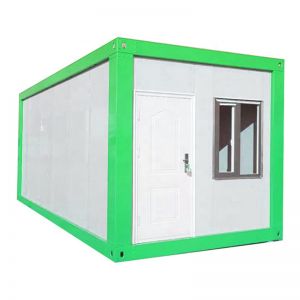
A shipping container home is a dwelling built from new or used ISO shipping containers. Applications include accessory dwelling units, cabins, temporary housing, disaster relief units, and permanent residences. The container provides the structural shell; interior comfort depends on insulation, cladding, windows, doors, and utility systems.
Layout and Space Planning
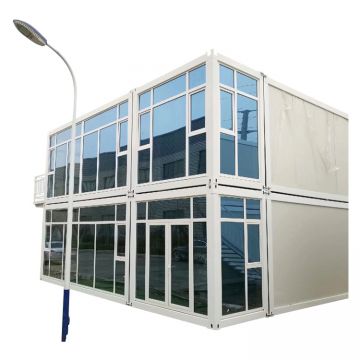
Container sizes are typically 20 feet and 40 feet, with high-cube variants offering additional height. Layout decisions include single-container versus multi-container configurations, open-plan versus compartmentalized interiors, and vertical stacking. Consider door and window placement, corridor widths, and furniture clearances. Plan for mechanical, electrical, and plumbing routes early to avoid conflicts.
Structural and Insulation Alternatives
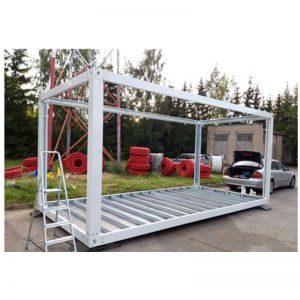
Structural modifications may include cutouts for doors and windows, removal of internal ribs, and reinforcement. Insulation options include spray foam, rigid boards, and mineral wool. Each has different thermal performance, thickness, and cost implications. External cladding and roofing affect weather resistance and appearance. Confirm that the chosen insulation and cladding system is compatible with the container structure and local climate.
Key Specifications
Specifications to define before ordering include container condition, dimensions, insulation R-value or U-value, electrical voltage and circuit count, plumbing fixture types, window and door specifications, flooring material, wall and ceiling finishes, and exterior coating. For foodservice or special applications, verify material food-contact suitability and temperature range.
Meaningful Trade-offs
New containers cost more but require less preparation. Used containers cost less but may need repairs and additional cleaning. Spray foam insulation offers high performance but higher cost; rigid boards are more affordable but may require careful sealing. Custom finishes increase cost and lead time. Decide which trade-offs align with your budget and timeline.
Drawing and QC Checks
Before production, review and approve detailed drawings showing dimensions, cutouts, reinforcement, insulation, electrical and plumbing layouts, and finish schedules. During production, request inspection reports for structural welds, insulation installation, electrical wiring, plumbing pressure tests, and final finish. A compact QC checklist is provided below.
Stage
Check
Evidence
Pre-production
Drawing approval
Signed drawings
Fabrication
Structural welds
Weld inspection report
Insulation
Coverage and thickness
Installation records
Electrical
Wiring and grounding
Test report
Plumbing
Pressure and leak test
Test report
Final
Finish and cleanliness
Inspection checklist
Finish and Utility Customization
Customization options include flooring, wall panels, ceiling finishes, cabinetry, countertops, lighting, HVAC, and renewable energy provisions. Specify materials that suit the intended use and climate. For foodservice applications, confirm that surfaces are cleanable and suitable for food contact. Utility connections require coordination with local authorities and licensed trades.
MOQ and Cost Drivers
Minimum order quantities vary by supplier and customization level. Cost drivers include container size and condition, modification complexity, insulation type and thickness, electrical and plumbing scope, finish quality, delivery distance, and installation support. Request itemized quotations to compare scope accurately. Do not assume a low base price includes all necessary work.
Delivery and Installation Planning
Confirm site access for delivery vehicles and cranes. Plan foundation type, utility trenching, and connection points. Clarify whether the supplier provides installation instructions, on-site supervision, or a local installation team. For remote sites, arrange remote support and documentation.
Decision Workflow
Define project requirements: size, layout, performance, and budget range.
Research suppliers and request itemized quotations.
Compare scope, materials, and quality control documentation.
Review and approve drawings and material samples.
Confirm delivery, installation, and utility connection plans.
Establish communication and change-order procedures.
Place order and schedule inspections.
Following this workflow helps you make informed decisions and manage shipping container home cost effectively.
Dingrong catalog coverage
This page is based on the current Shipping Container Home Cost catalog, which contains 3 matching product records. Representative product titles include:
How to Make a Shipping Container Home
D
Written by
Janice
Senior Sourcing Editor
Janice has extensive experience in modular construction sourcing and supplier evaluation. She focuses on helping buyers compare specifications, quality control, and total project costs.
Related Products
Compare matching catalog products after reviewing the buying guide above.
Shipping Container Home Cost Container Home Project Notes
When sourcing Shipping Container Home Cost, buyers normally review floor plan, bedroom and bathroom layout, insulation, interior finish, plumbing, electrical scope, and climate requirements before approving drawings and finishes. A clear specification makes quotations, production confirmation, delivery, and repeat modules easier to control.
These building systems are commonly used for homes, holiday accommodation, dormitories, guest rooms, studios, and workforce housing. Layout, insulation, doors and windows, utilities, finishes, loading, and installation planning can be discussed after the application and destination are confirmed. Similar searches include Container Home Cost, Container Home, Shipping Container, which helps compare adjacent modular building options.
Use the product results above to review images, layouts, specifications, minimum order details, and inquiry options, then send the application, dimensions, quantity, destination, and site requirements for a more accurate quotation.
Shipping Container Home Cost buying questions
What should buyers specify when requesting Shipping Container Home Cost?
Share the intended application and confirm capacity, material, temperature range, lid fit, leak resistance, stackability, food contact, and carton packing.
How should a Shipping Container Home Cost sample be checked?
Test with the real food or drink, service temperature, holding time, transport method, and matching lid.
Which quality points should be compared?
Check capacity, rim and lid fit, leakage, deformation, nesting, cleanliness, and carton protection.
How can buyers compare the matching products on this page?
Compare the product cards by material, dimensions, construction, customization options, packing requirements, and suitability for the intended application before requesting a quotation.