Warning: Undefined variable $htmllang in /www/wwwroot/dingrong/DM-block/tpl/meta.php on line 1771 Container House Wholesale Buying Guide: Material and Construction Trade-Offs Compared | DECHEN PACKAGING · 2
\n
Container House Wholesale Buying Guide: Material and Construction Trade-Offs Compared | DECHEN PACKAGING · 2
Buying Guide
Container House Wholesale: Material and Construction Trade-Offs Compared
This buying guide compares container house wholesale options for foodservice use. It covers definitions, applications, layout, structural and insulation alternatives, key specifications, trade-offs, drawing and QC checks, customization, cost drivers, and delivery planning.
Written by JaniceSourcing Editor
What Is a Container House and Where Is It Used?
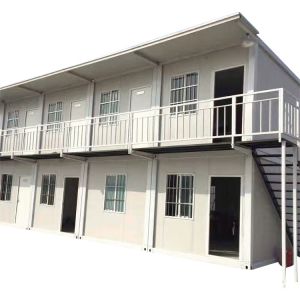
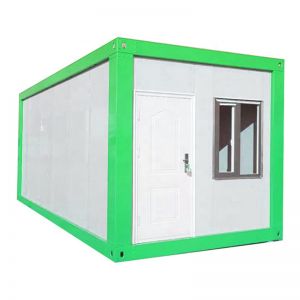
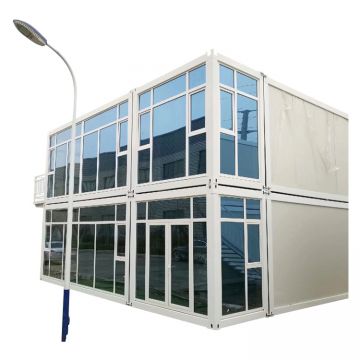
A container house is a modular structure built from steel frames and panels, often based on shipping container dimensions or similar modular footprints. In wholesale sourcing, buyers purchase these units in batches for deployment across sites. Common foodservice applications include takeaway counters, catering kitchens, beverage stands, bakery outlets, restaurant extensions, and food delivery staging areas. The unit may be a single module or a combination of modules joined to create a larger space.
Layout and Workflow Planning
Layout determines whether the unit supports your menu and service speed. Start with the customer-facing zone, then work back through preparation, cooking, holding, and washing. Confirm door and window positions, service hatch dimensions, counter heights, and aisle widths. For takeaway and delivery, plan a clear pick-up path and a separate staff entry where possible. For catering, allow space for trolleys and bulk storage. For beverage and bakery, consider display glazing and queuing space.
Structural and Insulation Alternatives
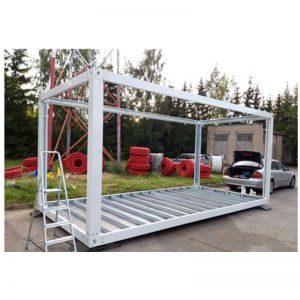
Container house structures vary by frame type, panel material, and insulation. Common wall and roof panels include sandwich panels with foam or mineral cores. Floor options include plywood, cement board, or steel deck with finishes. Insulation choice affects thermal comfort, condensation risk, and energy use. In hot or cold climates, thicker insulation and thermal breaks may be needed. Confirm the insulation type, thickness, and fire performance with the supplier, and verify against your local requirements.
Key Specifications to Confirm
External and internal dimensions, plus door and window sizes.
Frame material, panel type, and insulation thickness.
Floor construction, loading capacity, and finish.
Electrical voltage, phase, socket count, and distribution.
Plumbing supply, waste, and grease management.
Ventilation and extraction capacity.
Lifting points, transport dimensions, and weight.
Assembly method and required site works.
Meaningful Trade-Offs
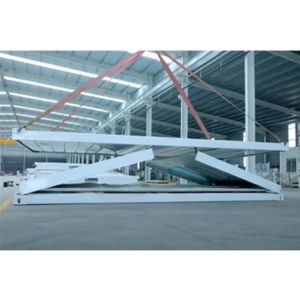
Trade-offs appear between cost, speed, durability, and comfort. A lighter panel system may be faster to assemble but may offer less thermal performance. A heavier floor may support more equipment but increase transport weight. A larger service hatch improves customer flow but reduces wall space for equipment. A detachable design may simplify relocation but require more site assembly. Compare options against your service model, climate, and site constraints rather than assuming one approach is best.
Drawing and QC Checks
Request general arrangement drawings, material schedules, and utility interface drawings. Confirm dimensions, equipment positions, and connection points before production. Agree on inspection points for frame welding, panel fit, insulation, electrical wiring, plumbing rough-in, door and window operation, and surface finish. Before shipment, inspect the completed unit for dimensions, squareness, leakage, drainage, ventilation, and electrical function. For foodservice use, test surfaces with the real food or drink, service temperature, holding time, transport method, and matching accessories. Check cleanliness, deformation, and carton protection where packaging is involved.
Finish and Utility Customization
Customization covers wall and floor finishes, countertops, cabinetry, signage, lighting, and equipment integration. For foodservice, specify washable, non-porous surfaces where required. Confirm electrical load, socket types, and distribution board capacity for your equipment. Plan plumbing supply, waste, and grease management. Confirm ventilation and extraction for cooking. Ask the supplier to document all customizations in the approved drawing set.
MOQ and Cost Drivers Without Exact Prices
Wholesale orders typically have a minimum order quantity. Cost drivers include unit size, frame and panel materials, insulation, finishes, electrical and plumbing scope, ventilation, accessories, customization, packaging, and transport. Installation and commissioning may be quoted separately. Compare quotations on a like-for-like scope and confirm what is included before deciding.
Delivery and Installation Planning
Confirm transport dimensions, weight, lifting points, and packaging. Ask for a loading plan and delivery schedule. Check site access for delivery vehicles and lifting equipment. Clarify who handles unloading, positioning, utility connections, and final commissioning. Request installation instructions and remote support terms. Plan for local permits and inspections as required by your site.
Decision Workflow
Define the foodservice application and menu.
Set layout, size, and utility requirements.
Choose structural and insulation options for your climate.
Request drawings and material schedules.
Compare quotations on a like-for-like scope.
Agree on QC inspection points and records.
Confirm delivery, installation, and commissioning responsibilities.
Approve final drawings before production.
Decision Area
Option A
Option B
What to Confirm
Structure
Fixed container-style frame
Detachable modular frame
Assembly method and site works
Insulation
Standard panel core
Thicker or mineral core
Climate performance and fire requirements
Floor
Plywood with finish
Cement board or steel deck
Loading and cleanability
Utilities
Basic electrical and plumbing
Full foodservice fit-out
Load, drainage, ventilation
Delivery
Standard transport
Special lifting or escort
Site access and unloading
Dingrong catalog coverage
This page is based on the current Container House Wholesale catalog, which contains 3 matching product records. Representative product titles include:
How to Build a Container House
Why Choose Dingrong Buy Container House?
How to Choose a Detachable Container House Manufacturer from China
D
Written by
Janice
Sourcing Editor
Janice covers modular building and foodservice equipment sourcing. She focuses on specification clarity, supplier documentation, and practical QC checks for wholesale buyers.
Related Products
Compare matching catalog products after reviewing the buying guide above.
Container House Wholesale Container Home Project Notes
When sourcing Container House Wholesale, buyers normally review floor plan, bedroom and bathroom layout, insulation, interior finish, plumbing, electrical scope, and climate requirements before approving drawings and finishes. A clear specification makes quotations, production confirmation, delivery, and repeat modules easier to control.
These building systems are commonly used for homes, holiday accommodation, dormitories, guest rooms, studios, and workforce housing. Layout, insulation, doors and windows, utilities, finishes, loading, and installation planning can be discussed after the application and destination are confirmed. Similar searches include Container House, Tiny House Container, Container House Frame, which helps compare adjacent modular building options.
Use the product results above to review images, layouts, specifications, minimum order details, and inquiry options, then send the application, dimensions, quantity, destination, and site requirements for a more accurate quotation.
Container House Wholesale buying questions
What should buyers specify when requesting Container House Wholesale?
Share the intended application and confirm capacity, material, temperature range, lid fit, leak resistance, stackability, food contact, and carton packing.
How should a Container House Wholesale sample be checked?
Test with the real food or drink, service temperature, holding time, transport method, and matching lid.
Which quality points should be compared?
Check capacity, rim and lid fit, leakage, deformation, nesting, cleanliness, and carton protection.
How can buyers compare the matching products on this page?
Compare the product cards by material, dimensions, construction, customization options, packing requirements, and suitability for the intended application before requesting a quotation.