Warning: Undefined variable $htmllang in /www/wwwroot/dingrong/DM-block/tpl/meta.php on line 1771 Which Container House for Sale Suits Your Application? A Buyer's Guide | DECHEN PACKAGING · 6
\n
Which Container House for Sale Suits Your Application? A Buyer's Guide | DECHEN PACKAGING · 6
Buying Guide
Which Container House for Sale Suits Your Application?
This guide helps you choose a container house for sale by matching the unit to your application, site, and budget. It covers key decisions without inventing prices or performance claims.
Written by JaniceSourcing Editor
Definitions and Applications
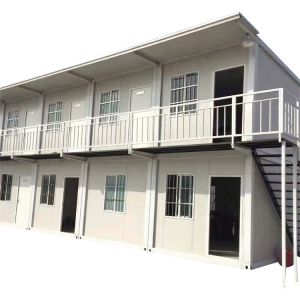
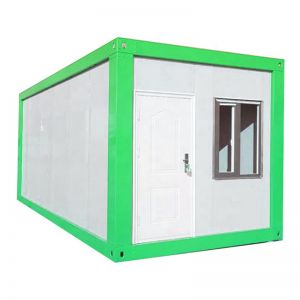
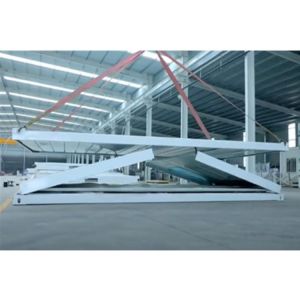
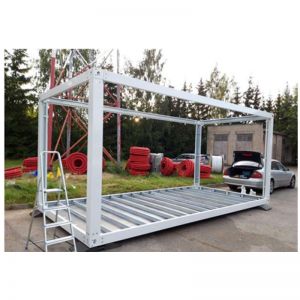
A container house for sale is a factory-made modular building, often based on a steel frame and panel envelope. Common applications include worker accommodation, site offices, temporary housing, and auxiliary rooms. Expandable models ship in a compact form and unfold on site, while non-expandable units are typically fixed in shape. The right choice depends on site access, how often the unit will be moved, and local requirements.
Layout and Space Planning
Start with occupancy and daily use. A 2 bedroom expandable container house may suit a small family or two workers, while a single-room unit can serve as an office or storage space. Consider bed positions, bathroom and kitchen zones, and circulation. Check internal height and door widths for furniture and equipment. If the unit will be used for food service or catering, confirm that the layout supports separate preparation and service areas, and that surfaces are easy to clean.
Structural and Insulation Alternatives
Container houses vary in frame design, wall and roof panels, and insulation. Common insulation options include foam panels and mineral wool, each with different thickness and handling characteristics. For cold or hot climates, ask the supplier how the envelope manages condensation and thermal bridging. Floor build-up matters for comfort and for supporting equipment. If the unit will be stacked or lifted frequently, confirm the lifting points and frame reinforcement with the supplier.
Key Specifications to Confirm
Request a specification sheet and compare the following items in writing.
Category
Items to Confirm
Dimensions
External and internal size, folded size, weight
Structure
Frame material, floor build-up, lifting points
Envelope
Wall and roof panel type, insulation, joints
Openings
Door and window size, position, glazing
Electrical
Voltage, socket layout, lighting, distribution board
Plumbing
Water supply, drainage, bathroom fixtures
Finishes
Floor, wall, ceiling, external color
Packaging
Carton or wrap, protection, loading plan
Meaningful Trade-offs
Expandable units can reduce shipping volume but may require more site assembly and careful handling of moving parts. Non-expandable units are often simpler to place but may cost more to transport. Thicker insulation can improve comfort but adds weight and cost. Custom layouts can fit your workflow but may extend lead time and increase minimum order quantity. Decide which trade-offs matter most for your project before requesting quotations.
Drawings and QC Checks
Ask for a dimensioned drawing and a bill of materials before production. Review door swings, stair or access provision, and service penetrations. Agree on inspection points: incoming material, frame assembly, panel installation, electrical and plumbing rough-in, and final pre-packing. Request QC photos for each stage. If you are sourcing foodservice packaging or catering units, test with the real food or drink, service temperature, holding time, transport method, and matching lid or accessory. Check capacity, rim and lid fit, leakage, deformation, nesting, cleanliness, and carton protection.
Finish and Utility Customization
Customization can include internal finishes, external color, window and door positions, and utility layouts. Confirm which changes affect the structural design and which are cosmetic. For electrical systems, specify voltage, frequency, and plug type for the destination. For plumbing, confirm pipe sizes and drainage routing. If the unit will be used in a foodservice or catering application, discuss cleanable surfaces and ventilation with the supplier.
MOQ and Cost Drivers
Minimum order quantity varies by supplier and model. Cost drivers include unit size, frame and panel materials, insulation, openings, utilities, finishes, customization, packaging, and transport. Exact prices depend on these variables and on delivery terms. Ask for a line-item quotation that separates product, packaging, and freight so you can compare offers fairly. Do not assume that a lower unit price means a lower total cost.
Delivery and Installation Planning
Confirm the folded or packed dimensions and weight, and check site access for delivery vehicles and lifting equipment. Ask for a packing list and loading plan. Clarify who is responsible for unloading, foundation preparation, and utility connections. Request an installation manual and confirm whether remote support is available. Plan for local permits and inspections early, as requirements vary by location.
Decision Workflow
Define occupancy, duration, climate, and utility needs.
Choose expandable or non-expandable based on site access and transport.
Request drawings and specifications for two or three options.
Compare quotations on scope, not just unit price.
Confirm QC stages, packing, delivery, and installation support.
Verify local compliance before placing the order.
Following this workflow helps you select a container house for sale that fits your application and reduces surprises during delivery and installation.
Dingrong catalog coverage
This page is based on the current Container House For Sale catalog, which contains 3 matching product records. Representative product titles include:
Expandable Container House for Sale - Custom Modular Prefab Homes
Sustainable Prefab Expandable Container Homes
Expandable Container House for Sale - Limited Time Discount
2 Bedroom Expandable Container House for Sale
D
Written by
Janice
Sourcing Editor
Janice has worked with modular building and prefab housing suppliers, focusing on specification review and supplier documentation. She helps buyers compare quotations on scope and quality evidence.
Related Products
Compare matching catalog products after reviewing the buying guide above.
Container House For Sale Accommodation Configuration Guide
Container House For Sale pages are useful for comparing floor plan, bedroom and bathroom layout, insulation, interior finish, plumbing, electrical scope, and climate requirements across similar building systems. The suitable choice depends on application, climate, local site conditions, transport limits, and installation requirements.
DINGRONG CONTAINER supports homes, holiday accommodation, dormitories, guest rooms, studios, and workforce housing, including custom layouts, material and finish confirmation, production planning, loading, and delivery coordination. Related options such as Luxury Expandable Prefab Container House For Sale, Container House Wholesale, House Shipping Containers For Sale can be compared when confirming specifications.
The listings above provide a starting point for checking project photos, configurations, specifications, MOQ, and inquiry options before requesting drawings and a project quotation.
Container House For Sale buying questions
What should buyers specify when requesting Container House For Sale?
Share the intended application and confirm capacity, material, temperature range, lid fit, leak resistance, stackability, food contact, and carton packing.
How should a Container House For Sale sample be checked?
Test with the real food or drink, service temperature, holding time, transport method, and matching lid.
Which quality points should be compared?
Check capacity, rim and lid fit, leakage, deformation, nesting, cleanliness, and carton protection.
How can buyers compare the matching products on this page?
Compare the product cards by material, dimensions, construction, customization options, packing requirements, and suitability for the intended application before requesting a quotation.