



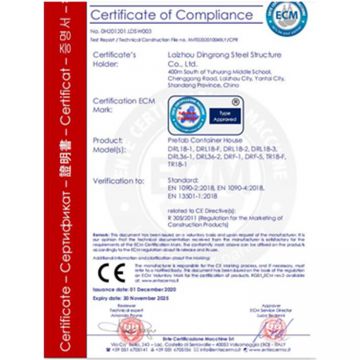

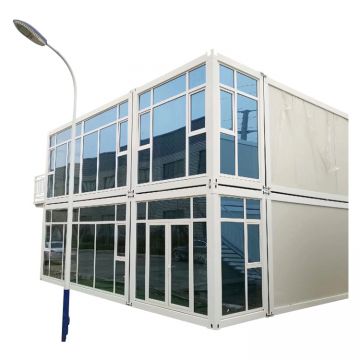


For most first-time buyers sourcing a folding or expandable container house, the safest route is to shortlist suppliers who can document their panel build-up, folding mechanism, and packing method, then verify those claims against a sample or factory evidence before paying a deposit. Price alone tells you very little, because two quotes that look identical on a spec sheet can differ sharply in steel gauge, insulation, and how the unit survives repeated folding and transport.
- How Do I Choose an is suitable for food packaging, wrapping, and commercial display needs.
- How Do I Choose an options support custom size, printing, packing, and brand presentation.
- expandable container house supplier checklist helps buyers compare material performance, finish, and application fit.
- folding container house buying guide is available for wholesale supply, OEM projects, and repeat orders.
- How Do I Choose an supports restaurants, factories, distributors, and private label packaging buyers.
Start with the Use Case, Not the Catalogue
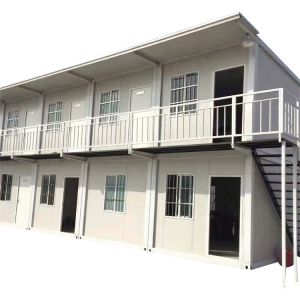
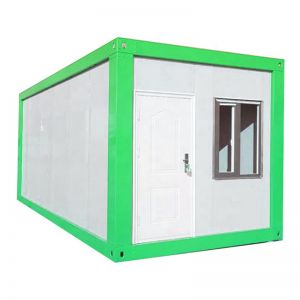
An expandable container house is a factory-built unit that unfolds or slides out on site to create more floor area than its shipping footprint. That single characteristic drives most of your buying decisions. If the unit will be folded and reopened many times on rental or event sites, hinge and track durability matters more than a fixed installation ever would. If it is placed once as a site office, dormitory, or storage room and left for years, weather sealing and insulation deserve more of your attention than folding speed.
Related products and categories: Expandable container house · Luxury Hot Sale Prefab Folding 20ft 30ft 40ft Expandable Container House with Trailer · Foldable Home China - Expandable Portable Container Folding House - Prefabricated & Weathe · Folding Container House 3 Bedroom from China - Expandable Modular Steel Structure with Sol.

Be clear about the boundary of use before you compare suppliers. Ask yourself whether the unit needs to be relocated regularly, whether it will sit on uneven ground, and what climate it must handle. Suppliers can only quote accurately against a defined application, so a vague enquiry tends to produce a vague, hard-to-compare offer.
Specifications That Actually Control Fit and Performance
The specification sheet is where suppliers hide differences. Focus on the items that change how the unit performs and how easily it can be compared.

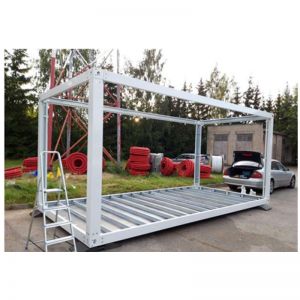
- Panel and frame build-up: confirm the wall and roof panel construction, insulation type and thickness, and the steel frame section. Ask for the material grades in writing rather than accepting a generic description.
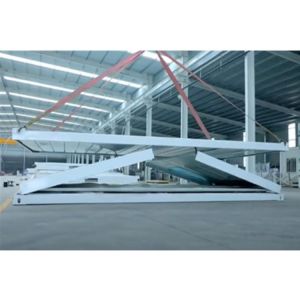
- Folding mechanism: ask how the panels or slide-outs lock, seal, and are supported when open. Request the hardware details and how joints are sealed against water and wind.
- Floor loading and finish: confirm the floor deck material and the load it is designed to carry, since this affects furniture, equipment, and long-term wear.
- Electrical and plumbing provisions: clarify what is pre-installed and what the buyer must supply on site, including whether wiring and outlets are included or optional.
None of these details should be accepted on trust. They are exactly the points where a written confirmation protects you later.
A Compact Comparison of Supplier Types
| Supplier type | Typical strength | What to verify |
|---|---|---|
| Factory-direct | Control over panel and frame build | Factory evidence and QC records |
| Trading company | Wider product range | Which factory actually builds the unit |
| Local assembler | Faster on-site support | Source of core components |
The table is a starting point, not a ranking. A trading company with a reliable factory partner can serve you well; a factory-direct supplier still needs to prove its quality control. What matters is knowing who builds the unit and who is accountable if something fails.

Failure Risks Worth Checking before You Order
Expandable units fail in predictable places: seals around folding joints, hinge and track wear, and water ingress at panel connections. Ask the supplier how these points are protected and whether replacement parts are available. Packing is another risk. Because the unit ships folded, confirm how it is braced for transport and what protection the panels receive, since handling damage is easier to prevent than to resolve after arrival.
Cost drivers follow the same logic. Frame and panel specification, insulation, hardware quality, and the level of pre-installed electrical work move the price more than cosmetic options. Treat an unusually low quote as a prompt to ask what was left out, not as a bargain.

Verification Steps before You Commit
- Request a written specification covering frame, panels, insulation, hardware, and inclusions.
- Ask for factory or QC evidence and, where possible, a sample or video of the folding and sealing process.
- Confirm packing, loading, and delivery responsibilities in the contract.
- Clarify warranty terms and spare-part availability in writing.
Buyer Questions
Can I Compare Two Suppliers on Price Alone?
No. Compare the written specification first, then the price. A lower quote often reflects thinner panels, simpler hardware, or fewer inclusions, so align the specs before judging cost.
What Should I Confirm about Installation?
Ask what site preparation the unit needs, whether assembly support is provided, and who is responsible for foundations and utility connections. Get these answers in writing before ordering.

Before you sign, ask each shortlisted supplier to send a written specification and a packing plan for your exact use case, then compare those documents side by side rather than the headline prices.
Key product terms include How Do I Choose an Expandable Container House Supplier, expandable container house supplier checklist, folding container house buying guide for buyers comparing materials, applications, and supplier options.